THE ADVENTURE COLLECTIVE® · Independent discovery and booking for outdoor travel

Walk the avenue of sphinxes between Karnak and Luxor on a private full-day tour. Experience the 134-column Great Hypostyle Hall, visit a papyrus institute, and get practical tips for timing, footwear, and staying comfortable in Nile-side heat.
Walk the avenue of sphinxes between Karnak and Luxor on a private full-day tour. Experience the 134-column Great Hypostyle Hall, visit a papyrus institute, and get practical tips for timing, footwear, and staying comfortable in Nile-side heat.
Sunlight strips across sandstone columns as the city of Luxor wakes; dust motes drift through the colonnades and the avenue of sphinxes feels like a long, stone breath connecting two ancient hearts. On a full-day private tour of the East Bank you move slowly through that breath — past pylons, open courts, and the cool shadow of the Great Hypostyle Hall where 134 columns rise like an arranged forest.
Verified experiences and guided adventures in the surrounding area.
Operated by Oman Day Tours · Luxor, Luxor Governorate
Sunlight strips across sandstone columns as the city of Luxor wakes; dust motes drift through the colonnades and the avenue of sphinxes feels like a long, stone breath connecting two ancient hearts. On a full-day private tour of the East Bank you move slowly through that breath — past pylons, open courts, and the cool shadow of the Great Hypostyle Hall where 134 columns rise like an arranged forest.
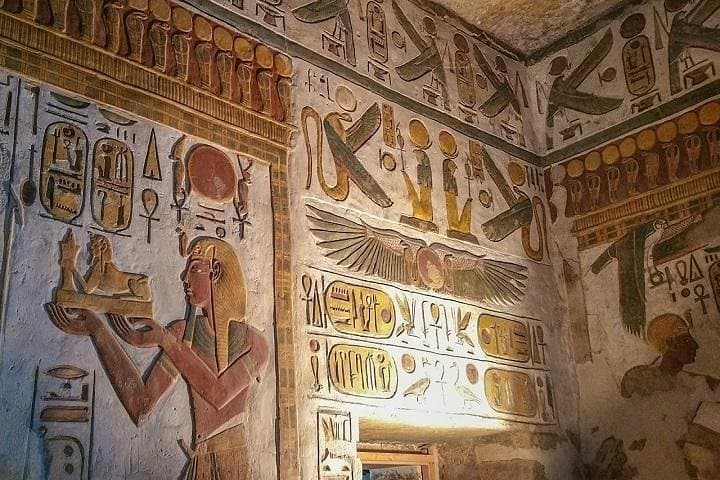
Karnak and Luxor grew together across millennia. About thirty pharaohs added gates, obelisks, and shrines to Karnak’s complex — the temple of Amun, the Mut precinct, Khonsu’s sanctum — expanding a sacred precinct that dominated ancient Thebes. Geologically, the site sits on Nile alluvium; most visible stone is sandstone and limestone, weathered by wind and salt but carved with iconography that traces changing religious practice and royal propaganda.
Culturally the walk traces ritual processions: Opet festivals once moved statues between Karnak and Luxor along the avenue of sphinxes. Modern visits often include small local stops — a papyrus institute or a family-run perfumery — that link craft traditions to the monuments.
Practical guidance: plan on 6–8 hours with moderate walking and steps; wear sturdy shoes and sun protection, and bring 2+ liters of water. Mornings are cooler and light is best for photographing hieroglyphs; afternoons bring harsher shadows and fewer crowds. Follow your guide’s route to protect fragile surfaces, and allow extra time for museum or papyrus demonstrations. Expect a private, paced experience that balances archaeology with practical logistics — transfers, entrance fees, and expert narration included.
moderate.
6–8 hours.
Moderate fitness — you will be on your feet for several hours and climb stairs and uneven surfaces.
Yes — standard entrance fees to Karnak and Luxor temples are listed as included in the tour package.
This tour involves steps and uneven ground; it’s not recommended for travelers with significant spinal, heart or mobility issues without prior consultation.
Photography is generally allowed in the open areas; follow your guide for any restricted zones and avoid flash on fragile reliefs.
Yes — the tour includes air-conditioned transfers and meet-and-assist service from hotels in Luxor.
Karnak expanded over centuries as successive pharaohs added structures; its main temple complex honors Amun and absorbed dozens of royal building projects.
The sandstone reliefs are sensitive to touch and salt weathering; follow designated walkways and local guidance to minimize wear and support site preservation.
Oman Day Tours operates guided outdoor trips and adventures with an emphasis on safety, stewardship, and memorable experiences.
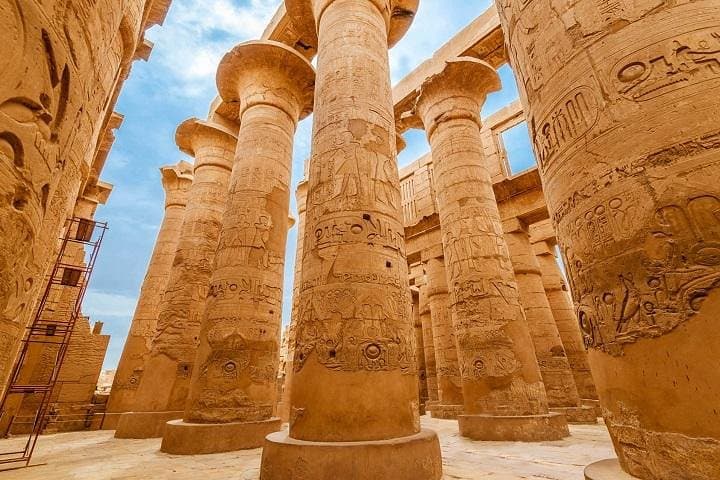
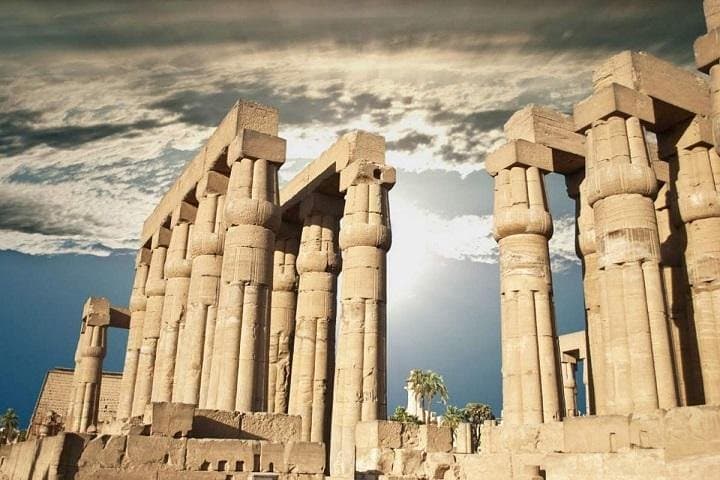
Sunlight strips across sandstone columns as the city of Luxor wakes; dust motes drift through the colonnades and the avenue of sphinxes feels like a long, stone breath connecting two ancient hearts. On a full-day private tour of the East Bank you move slowly through that breath — past pylons, open courts, and the cool shadow of the Great Hypostyle Hall where 134 columns rise like an arranged forest.
Sunlight strips across sandstone columns as the city of Luxor wakes; dust motes drift through the colonnades and the avenue of sphinxes feels like a long, stone breath connecting two ancient hearts. On a full-day private tour of the East Bank you move slowly through that breath — past pylons, open courts, and the cool shadow of the Great Hypostyle Hall where 134 columns rise like an arranged forest.
Karnak and Luxor grew together across millennia. About thirty pharaohs added gates, obelisks, and shrines to Karnak’s complex — the temple of Amun, the Mut precinct, Khonsu’s sanctum — expanding a sacred precinct that dominated ancient Thebes. Geologically, the site sits on Nile alluvium; most visible stone is sandstone and limestone, weathered by wind and salt but carved with iconography that traces changing religious practice and royal propaganda.
Culturally the walk traces ritual processions: Opet festivals once moved statues between Karnak and Luxor along the avenue of sphinxes. Modern visits often include small local stops — a papyrus institute or a family-run perfumery — that link craft traditions to the monuments.
Practical guidance: plan on 6–8 hours with moderate walking and steps; wear sturdy shoes and sun protection, and bring 2+ liters of water. Mornings are cooler and light is best for photographing hieroglyphs; afternoons bring harsher shadows and fewer crowds. Follow your guide’s route to protect fragile surfaces, and allow extra time for museum or papyrus demonstrations. Expect a private, paced experience that balances archaeology with practical logistics — transfers, entrance fees, and expert narration included.