THE ADVENTURE COLLECTIVE® · Independent discovery and booking for outdoor travel

Walk the steaming colonnades of Karlovy Vary, taste century-old mineral springs and explore spa hotels that hosted European nobility. This guide outlines what to see, how the springs work, and practical tips for a relaxed, informative day.
Walk the steaming colonnades of Karlovy Vary, taste century-old mineral springs and explore spa hotels that hosted European nobility. This guide outlines what to see, how the springs work, and practical tips for a relaxed, informative day.
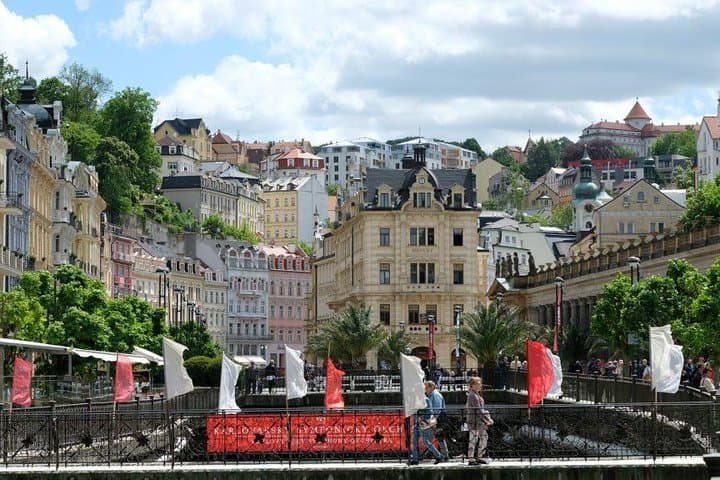
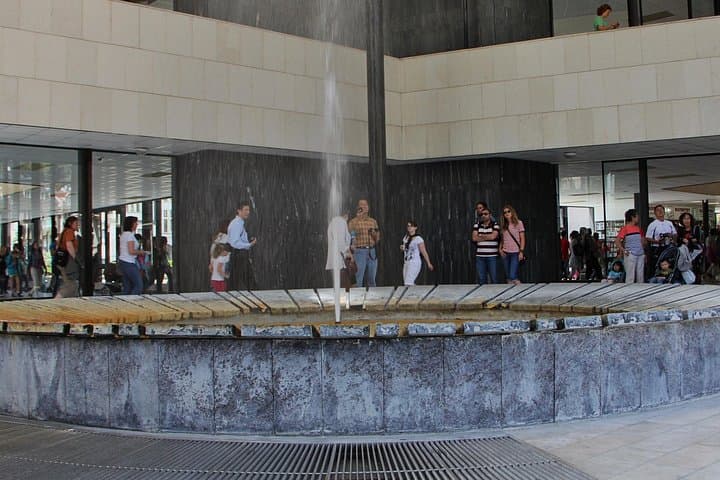
You arrive on a cool river bend where the Teplá threads the town, steam rising from iron-grey colonnades and the distant fanfare of hotel balconies. Pavement tiles are wet from the spring vapors; people cup porcelain glasses and tilt mineral water toward their lips. The Vřídlo (Hot Spring) bubbles up like a small, controlled geyser beneath a modern colonnade, daring you to taste water that has drawn nobles and composers for centuries.
Verified experiences and guided adventures in the surrounding area.
Operated by Prague Tours by Tatiana · Karlovy Vary, Karlovy Vary Region
You arrive on a cool river bend where the Teplá threads the town, steam rising from iron-grey colonnades and the distant fanfare of hotel balconies. Pavement tiles are wet from the spring vapors; people cup porcelain glasses and tilt mineral water toward their lips. The Vřídlo (Hot Spring) bubbles up like a small, controlled geyser beneath a modern colonnade, daring you to taste water that has drawn nobles and composers for centuries.
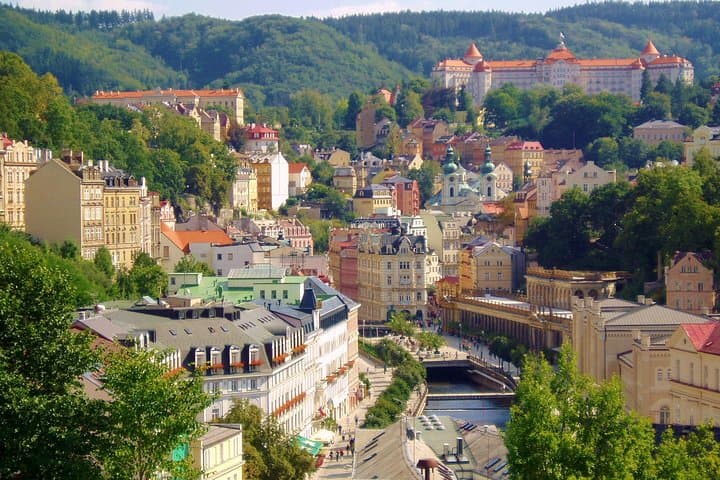
Karlovy Vary began under Charles IV around 1350 and grew into a European health hub across the 18th and 19th centuries. Geologically the springs are the product of deep aquifers heated to 30–73°C and mineralized with bicarbonates and sulfates; there are roughly a hundred taps and wells with varied temperatures and flavors. Culturally the town mixes Austro-Hungarian spa architecture with Czech cinema glamour — the Grand Hotel Pupp and the Hotel Thermal bookend the film festival every summer.
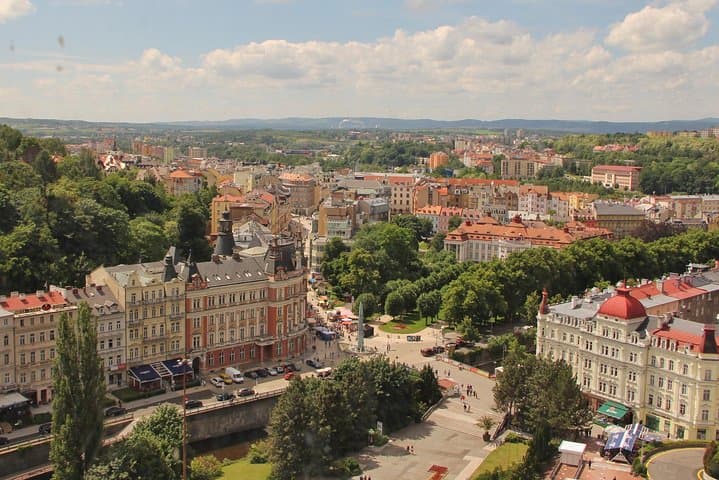
Expect stone-paved promenades, accessible colonnades, and short climbs to lookout points like the Diana tower reached by funicular. Practicalities: plan a full day to sample several springs, visit a glassworks, and sit for a spa treatment; the official tour runs about nine hours. Wear slip-resistant shoes—colonnades can be slick—carry a refillable bottle (springs are potable in measured sips), and pace tastings to avoid stomach upset. If you have cardiovascular or pregnancy concerns, avoid hot spring immersion and consult local guidance. In short: Karlovy Vary offers a slow, sensory day of mineral water rituals, architecture, and gentle hilltop views—an accessible, historic escape focused on wellness and quiet discovery.
moderate.
9 hours.
Suitable for travelers with moderate fitness who can walk several kilometers, handle stairs and short hills.
Yes — small sips from public colonnade taps are traditional and generally safe, but avoid large quantities and consult your doctor if pregnant or with heart conditions.
Expect several kilometers of walking over cobbles and stairs; the tour lasts around nine hours including stops, with optional funicular rides to reduce climbing.
There are public spa and swimming facilities in town where you can book treatments or baths; check opening hours and book in advance during peak season.
Many central colonnades and major springs are wheelchair accessible, but some streets and viewpoints involve steps—confirm accessibility with individual venues.
Founded by Charles IV around 1350, Karlovy Vary grew into a European spa destination in the 18th and 19th centuries and later hosted cultural events like the international film festival.
High visitor numbers stress spring sources and river ecosystems; stick to walkways, avoid littering, and respect signage around protected springs and water taps.
Prague Tours by Tatiana operates guided outdoor trips and adventures with an emphasis on safety, stewardship, and memorable experiences.
You arrive on a cool river bend where the Teplá threads the town, steam rising from iron-grey colonnades and the distant fanfare of hotel balconies. Pavement tiles are wet from the spring vapors; people cup porcelain glasses and tilt mineral water toward their lips. The Vřídlo (Hot Spring) bubbles up like a small, controlled geyser beneath a modern colonnade, daring you to taste water that has drawn nobles and composers for centuries.
You arrive on a cool river bend where the Teplá threads the town, steam rising from iron-grey colonnades and the distant fanfare of hotel balconies. Pavement tiles are wet from the spring vapors; people cup porcelain glasses and tilt mineral water toward their lips. The Vřídlo (Hot Spring) bubbles up like a small, controlled geyser beneath a modern colonnade, daring you to taste water that has drawn nobles and composers for centuries.
Karlovy Vary began under Charles IV around 1350 and grew into a European health hub across the 18th and 19th centuries. Geologically the springs are the product of deep aquifers heated to 30–73°C and mineralized with bicarbonates and sulfates; there are roughly a hundred taps and wells with varied temperatures and flavors. Culturally the town mixes Austro-Hungarian spa architecture with Czech cinema glamour — the Grand Hotel Pupp and the Hotel Thermal bookend the film festival every summer.
Expect stone-paved promenades, accessible colonnades, and short climbs to lookout points like the Diana tower reached by funicular. Practicalities: plan a full day to sample several springs, visit a glassworks, and sit for a spa treatment; the official tour runs about nine hours. Wear slip-resistant shoes—colonnades can be slick—carry a refillable bottle (springs are potable in measured sips), and pace tastings to avoid stomach upset. If you have cardiovascular or pregnancy concerns, avoid hot spring immersion and consult local guidance. In short: Karlovy Vary offers a slow, sensory day of mineral water rituals, architecture, and gentle hilltop views—an accessible, historic escape focused on wellness and quiet discovery.