THE ADVENTURE COLLECTIVE® · Independent discovery and booking for outdoor travel

Spend a practical half-day in a working Zanzibari fishing village: a walking tour, ocean-side coffee at Jetsi, permaculture and community visits, then a hands-on cooking class and lunch. This experience pairs cultural connection with sustainable community projects.
Spend a practical half-day in a working Zanzibari fishing village: a walking tour, ocean-side coffee at Jetsi, permaculture and community visits, then a hands-on cooking class and lunch. This experience pairs cultural connection with sustainable community projects.
The morning light hits the coral-stone paths and laundry flaps on a salty breeze as your guide leads you into a working fishing village on Zanzibar’s east coast.
Verified experiences and guided adventures in the surrounding area.
Operated by Assalam Community Foundation · Stone Town, Zanzibar
The morning light hits the coral-stone paths and laundry flaps on a salty breeze as your guide leads you into a working fishing village on Zanzibar’s east coast.
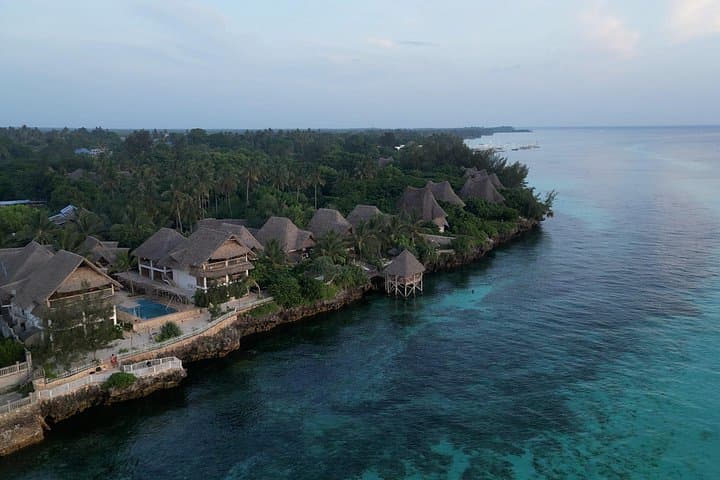
You move through narrow lanes past boats pulled high on sand, children chasing crabs, and elders repairing nets—a place where the Indian Ocean keeps time. The visit opens with a village walking tour that places you beside fishermen, then lifts you onto Jetsi, a simple ocean-top platform where coffee and snacks arrive with a wide-line horizon.
Historically, these coastal settlements are part of the Swahili coast: centuries of trade, craft and multicultural exchange shaped the architecture and cuisine. Geologically, the island’s coral foundations create shallow reefs and tidal flats that define local livelihoods and the permaculture plots you’ll see—garden beds designed to work with saline winds and seasonal rainfall.
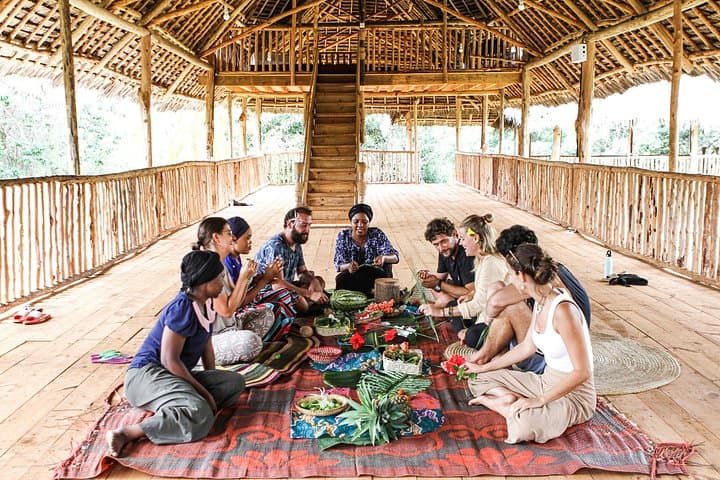
The day continues through a permaculture farm, a community school, and a women’s vocational training center where practical skills meet social enterprise. The cooking class is hands-on: learn spice-forward Zanzibari dishes and sit down to the meal you helped prepare.
Practical guidance: this is an accessible, low-impact half-day (about 3 hours) experience suitable for light walkers and families. Bring sun protection, modest clothing that covers shoulders and knees for cultural respect, a refillable water bottle, and small change for local crafts or donations. Expect uneven ground, warm temperatures, and friendly interaction—this tour prioritizes community benefit and sustainable practices, so ask questions and follow your guide’s lead.
easy.
3 hours.
Suitable for light walkers and most fitness levels; mostly short, flat walks with occasional sandy or uneven footing.
Yes—this is family-friendly and stroller/infant-seat accessible in many areas, though some paths are sandy; children should be supervised near the water.
The tour lists wheelchair-accessible options and transportation, but accessibility can vary in village sections—notify the operator in advance to confirm arrangements.
Guides commonly speak English and Kiswahili; ask ahead if you need another language and the operator can advise.
The itinerary includes village and permaculture visits, coffee/snacks, a hands-on cooking class and lunch; check the booking page for the exact inclusions and dietary accommodations.
Fishing villages on Unguja (Zanzibar) are part of the Swahili coast’s long trade history; local architecture and cuisine reflect Arab, African and Indian Ocean exchanges.
The tour emphasizes community-led, sustainable practices—supporting permaculture and vocational training reduces tourism leakage and encourages low-impact visits; avoid single-use plastics and follow local guidance.
Assalam Community Foundation operates guided outdoor trips and adventures with an emphasis on safety, stewardship, and memorable experiences.


The morning light hits the coral-stone paths and laundry flaps on a salty breeze as your guide leads you into a working fishing village on Zanzibar’s east coast.
The morning light hits the coral-stone paths and laundry flaps on a salty breeze as your guide leads you into a working fishing village on Zanzibar’s east coast.
You move through narrow lanes past boats pulled high on sand, children chasing crabs, and elders repairing nets—a place where the Indian Ocean keeps time. The visit opens with a village walking tour that places you beside fishermen, then lifts you onto Jetsi, a simple ocean-top platform where coffee and snacks arrive with a wide-line horizon.
Historically, these coastal settlements are part of the Swahili coast: centuries of trade, craft and multicultural exchange shaped the architecture and cuisine. Geologically, the island’s coral foundations create shallow reefs and tidal flats that define local livelihoods and the permaculture plots you’ll see—garden beds designed to work with saline winds and seasonal rainfall.
The day continues through a permaculture farm, a community school, and a women’s vocational training center where practical skills meet social enterprise. The cooking class is hands-on: learn spice-forward Zanzibari dishes and sit down to the meal you helped prepare.
Practical guidance: this is an accessible, low-impact half-day (about 3 hours) experience suitable for light walkers and families. Bring sun protection, modest clothing that covers shoulders and knees for cultural respect, a refillable water bottle, and small change for local crafts or donations. Expect uneven ground, warm temperatures, and friendly interaction—this tour prioritizes community benefit and sustainable practices, so ask questions and follow your guide’s lead.