THE ADVENTURE COLLECTIVE® · Independent discovery and booking for outdoor travel

A compact 3-day trek from Dharamsala that climbs through shepherd villages, meadows and pine forest to the shallow, glacial-fed Kareri Lake at ~2,934 m. Expect steady ascents, basic campsite accommodation, and strong mountain light ideal for birding and photography.
A compact 3-day trek from Dharamsala that climbs through shepherd villages, meadows and pine forest to the shallow, glacial-fed Kareri Lake at ~2,934 m. Expect steady ascents, basic campsite accommodation, and strong mountain light ideal for birding and photography.
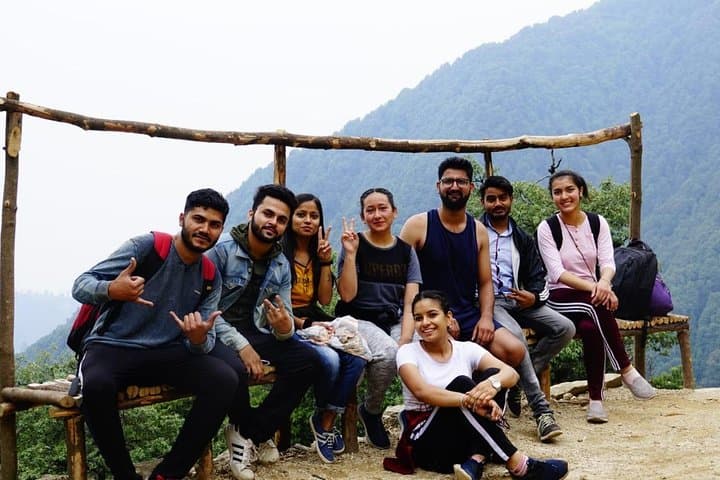
Morning light slices the Dhauladhar; a cool wind pushes across terraced fields and the road climbs toward Kareri village. By the time you shoulder a pack, pines close in and mountain streams begin to voice the day—daring you to keep pace. Over three days the trail moves from shepherd villages and meadowed flanks to the clear, shallow bowl of Kareri Lake at roughly 2,934 m, where a small Shiva shrine perches at the water’s edge.
Verified experiences and guided adventures in the surrounding area.
Operated by Tripills · Dharamsala, Himachal Pradesh
Morning light slices the Dhauladhar; a cool wind pushes across terraced fields and the road climbs toward Kareri village. By the time you shoulder a pack, pines close in and mountain streams begin to voice the day—daring you to keep pace. Over three days the trail moves from shepherd villages and meadowed flanks to the clear, shallow bowl of Kareri Lake at roughly 2,934 m, where a small Shiva shrine perches at the water’s edge.
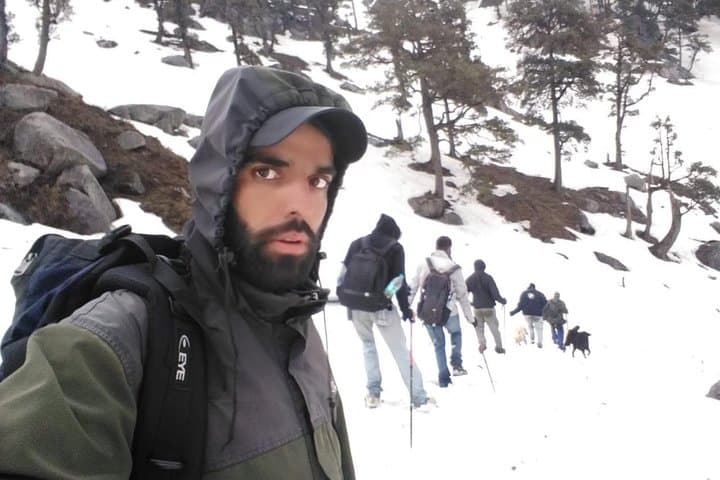
Geology here is young Himalayan: steep schists and crystalline outcrops heave up from glacial action, carving sharp ridgelines such as Indrahar Pass further along the Dhauladhar spine. Culturally the route threads through Gaddi shepherd settlements—simple stone houses, seasonal corrals—and the lake is fed by melting snow from nearby Minkiani slopes. Spring and summer bring migratory birds and flower-streaked meadows; autumn tightens the light and winter locks the basin under snow.
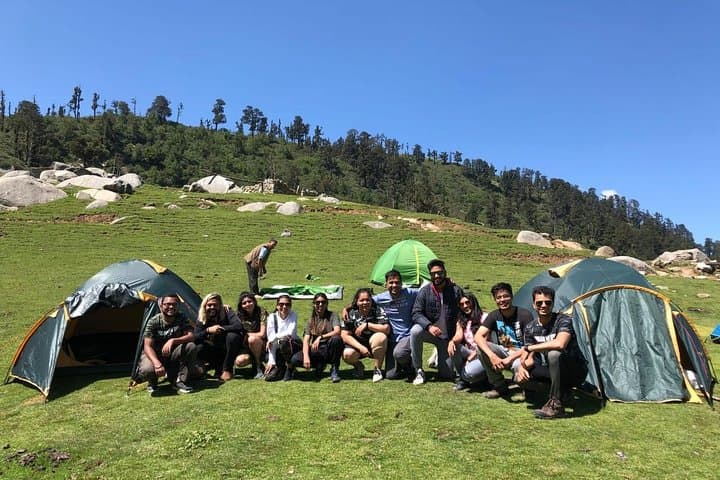
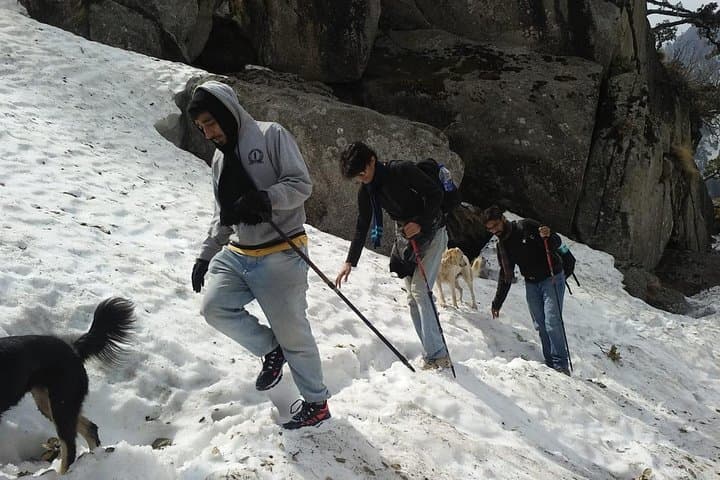
Practically: expect 6–8 hours of steady hiking on day one (25 km transfer + approach), a shorter but steeper day two to the lake (6 km from Rioti), and an easier return day. Terrain mixes well-graded village tracks, meadow paths, and occasional rocky scree; elevation gain is moderate but altitude reaches near 3,000 m so move deliberately. Camps are basic—tents, sleeping mats, and communal cook tents are provided on the standard itinerary.
Bring water treatment, layered insulation for cold nights, and broken-in boots. Start early to avoid afternoon weather shifts and respect local grazing grounds: pack out trash and minimize fire use. The route rewards steady steps with wide mountain light and quiet alpine water that seems to hold the sky.
moderate.
3 days.
Moderate fitness: comfortable with 5–8 hour hiking days and some sustained uphill sections; prior day-hiking experience helps.
The itinerary is moderate: daily walking ranges from short steep climbs to longer approaches; prior hiking experience and basic fitness are recommended.
There is no formal national-park permit for the basic Kareri Lake route, but local rules and grazing areas should be respected—your operator handles necessary local permissions.
The highest camp sits near 2,934 m; acute altitude issues are less common but possible—ascend slowly, hydrate, and notify guides if you feel unwell.
Late spring to early autumn (May–October) offers the most stable conditions and open trails; heavy snowfall can close access in winter.
The Dhauladhar foothills were seasonal pastures for Gaddi shepherds; small temples and stone enclosures along the route reflect that pastoral tradition.
The alpine meadows and lake-bed are fragile—avoid off-trail camping, minimize campfire use, and pack out all waste to protect spring-fed waters.
Tripills operates guided outdoor trips and adventures with an emphasis on safety, stewardship, and memorable experiences.
Morning light slices the Dhauladhar; a cool wind pushes across terraced fields and the road climbs toward Kareri village. By the time you shoulder a pack, pines close in and mountain streams begin to voice the day—daring you to keep pace. Over three days the trail moves from shepherd villages and meadowed flanks to the clear, shallow bowl of Kareri Lake at roughly 2,934 m, where a small Shiva shrine perches at the water’s edge.
Morning light slices the Dhauladhar; a cool wind pushes across terraced fields and the road climbs toward Kareri village. By the time you shoulder a pack, pines close in and mountain streams begin to voice the day—daring you to keep pace. Over three days the trail moves from shepherd villages and meadowed flanks to the clear, shallow bowl of Kareri Lake at roughly 2,934 m, where a small Shiva shrine perches at the water’s edge.
Geology here is young Himalayan: steep schists and crystalline outcrops heave up from glacial action, carving sharp ridgelines such as Indrahar Pass further along the Dhauladhar spine. Culturally the route threads through Gaddi shepherd settlements—simple stone houses, seasonal corrals—and the lake is fed by melting snow from nearby Minkiani slopes. Spring and summer bring migratory birds and flower-streaked meadows; autumn tightens the light and winter locks the basin under snow.
Practically: expect 6–8 hours of steady hiking on day one (25 km transfer + approach), a shorter but steeper day two to the lake (6 km from Rioti), and an easier return day. Terrain mixes well-graded village tracks, meadow paths, and occasional rocky scree; elevation gain is moderate but altitude reaches near 3,000 m so move deliberately. Camps are basic—tents, sleeping mats, and communal cook tents are provided on the standard itinerary.
Bring water treatment, layered insulation for cold nights, and broken-in boots. Start early to avoid afternoon weather shifts and respect local grazing grounds: pack out trash and minimize fire use. The route rewards steady steps with wide mountain light and quiet alpine water that seems to hold the sky.