THE ADVENTURE COLLECTIVE® · Independent discovery and booking for outdoor travel

A full-day private tour from Bujumbura that visits the Rutovu spring linked to the Nile’s headwaters, the three-tier Karera Falls, and cultural highlights in Gitega including the National Museum and drum sanctuary. Expect short walks, photo-rich viewpoints, and a local coffee stop.
A full-day private tour from Bujumbura that visits the Rutovu spring linked to the Nile’s headwaters, the three-tier Karera Falls, and cultural highlights in Gitega including the National Museum and drum sanctuary. Expect short walks, photo-rich viewpoints, and a local coffee stop.
You meet your driver at dawn in Bujumbura and the road draws you east, past green hills that tilt toward the horizon. The air cools as you climb into the Ijenda region — locals call it Burundi’s little Switzerland — and the valley opens to the steady hush of running water. At Rutovu you step onto a pebbled bank to see the modest spring that, through decades of study and debate, has been identified as one of the Nile’s headwaters.
Verified experiences and guided adventures in the surrounding area.
Operated by Burundi Safari & Tours · Rutana, Rutana Province
You meet your driver at dawn in Bujumbura and the road draws you east, past green hills that tilt toward the horizon. The air cools as you climb into the Ijenda region — locals call it Burundi’s little Switzerland — and the valley opens to the steady hush of running water. At Rutovu you step onto a pebbled bank to see the modest spring that, through decades of study and debate, has been identified as one of the Nile’s headwaters.
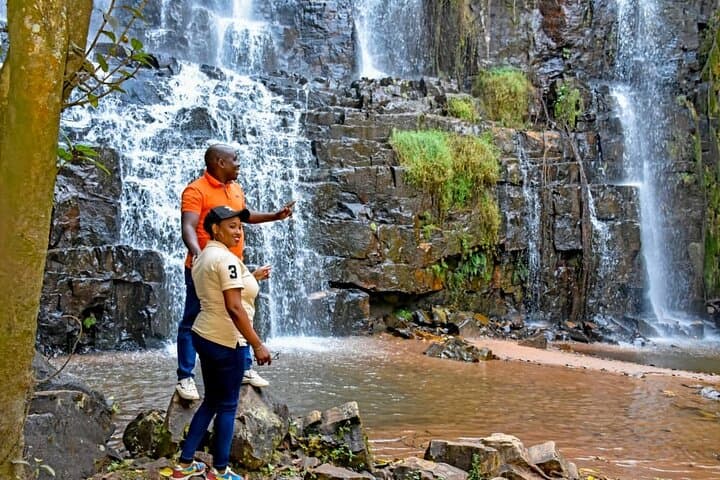
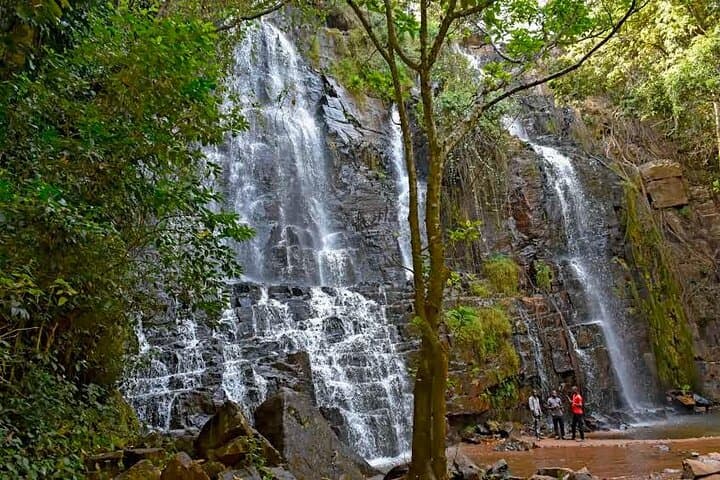
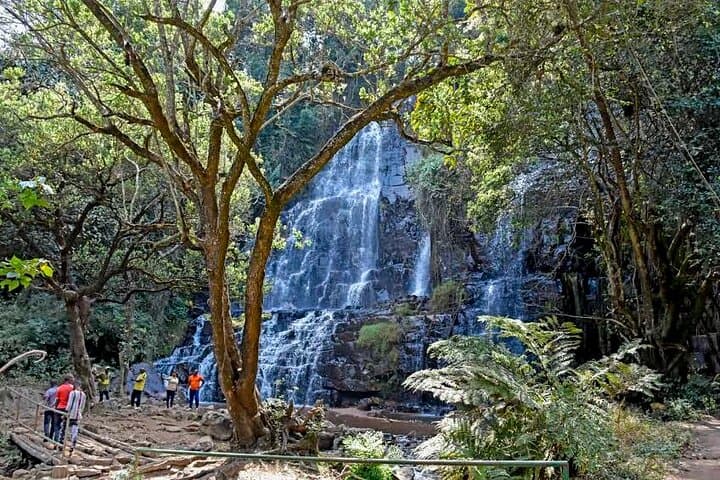
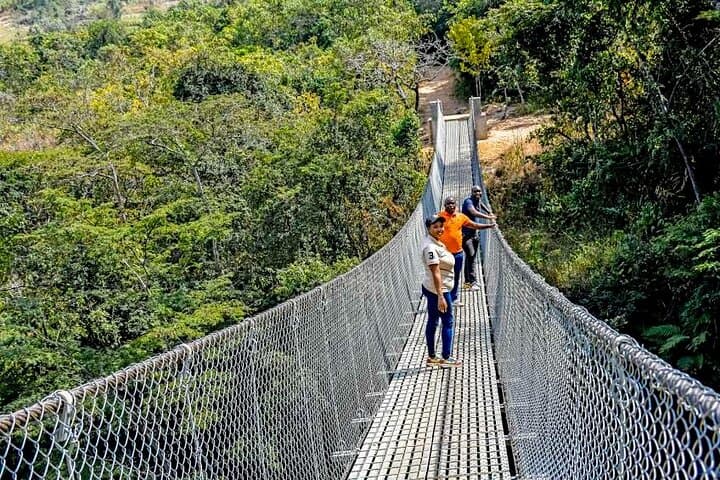
The route continues through patchwork farmland to Karera Falls, where three distinct drops cascade over volcanic rock formed by ancient rifts. A hanging bridge frames the chutes and offers dramatic photo angles; below, the river’s spray claims the mossy cliffs. Your guide brings local context: Gitega’s museum traces Burundi’s pre-colonial kingdoms and colonial-era collections, while Gishora’s drums keep the rhythms of royal ceremony alive.
Expect a full day of short walks and viewpoints rather than long hikes — terrain ranges from paved roads to damp, uneven trails at the falls. Cultural stops include a sit-down lunch in Gitega and a chance to taste Burundi-roasted coffee at Green Park Resort.
Practical edge: wear grippy shoes for wet rocks, carry water and small cash for market stalls, and plan for variable weather — afternoons can turn to heavy tropical showers. Respect local customs at the drum sanctuary, follow your guide on fragile trails, and leave no trace: erosion and foot traffic are the biggest threats to these sites.
moderate.
10 hours.
Moderately fit: able to do multiple short walks, stand on uneven ground, and climb short stair sections.
The tour is a full-day private trip (about 10 hours) with morning pick-up from hotels in Bujumbura; exact pick-up time is confirmed a day prior.
No extended hikes—expect short, guided walks and stairs near the falls and viewpoints; some terrain is uneven and wet.
Swimming is not normally recommended due to currents, slippery rocks, and local safety practices—ask your guide if there are safe pools at time of visit.
The tour lists wheelchair-accessible transportation, but access at natural sites like the falls involves uneven ground and hanging bridges that may limit mobility.
Gitega hosts Burundi’s National Museum (founded 1955) and cultural centers preserving drum traditions tied to the kingdom-era ceremonial life.
Trails and riverbanks are sensitive to erosion; stick to established paths, avoid litter, and support local guides whose fees aid site protection.
Burundi Safari & Tours operates guided outdoor trips and adventures with an emphasis on safety, stewardship, and memorable experiences.
You meet your driver at dawn in Bujumbura and the road draws you east, past green hills that tilt toward the horizon. The air cools as you climb into the Ijenda region — locals call it Burundi’s little Switzerland — and the valley opens to the steady hush of running water. At Rutovu you step onto a pebbled bank to see the modest spring that, through decades of study and debate, has been identified as one of the Nile’s headwaters.
You meet your driver at dawn in Bujumbura and the road draws you east, past green hills that tilt toward the horizon. The air cools as you climb into the Ijenda region — locals call it Burundi’s little Switzerland — and the valley opens to the steady hush of running water. At Rutovu you step onto a pebbled bank to see the modest spring that, through decades of study and debate, has been identified as one of the Nile’s headwaters.
The route continues through patchwork farmland to Karera Falls, where three distinct drops cascade over volcanic rock formed by ancient rifts. A hanging bridge frames the chutes and offers dramatic photo angles; below, the river’s spray claims the mossy cliffs. Your guide brings local context: Gitega’s museum traces Burundi’s pre-colonial kingdoms and colonial-era collections, while Gishora’s drums keep the rhythms of royal ceremony alive.
Expect a full day of short walks and viewpoints rather than long hikes — terrain ranges from paved roads to damp, uneven trails at the falls. Cultural stops include a sit-down lunch in Gitega and a chance to taste Burundi-roasted coffee at Green Park Resort.
Practical edge: wear grippy shoes for wet rocks, carry water and small cash for market stalls, and plan for variable weather — afternoons can turn to heavy tropical showers. Respect local customs at the drum sanctuary, follow your guide on fragile trails, and leave no trace: erosion and foot traffic are the biggest threats to these sites.