THE ADVENTURE COLLECTIVE® · Independent discovery and booking for outdoor travel

Combine a morning among ancient columns at Apollonia with an afternoon on the shallow, bird-rich waters of Karavasta Lagoon. This private day tour pairs archaeological walks with a guided boat trip through Albania’s largest lagoon.
Combine a morning among ancient columns at Apollonia with an afternoon on the shallow, bird-rich waters of Karavasta Lagoon. This private day tour pairs archaeological walks with a guided boat trip through Albania’s largest lagoon.
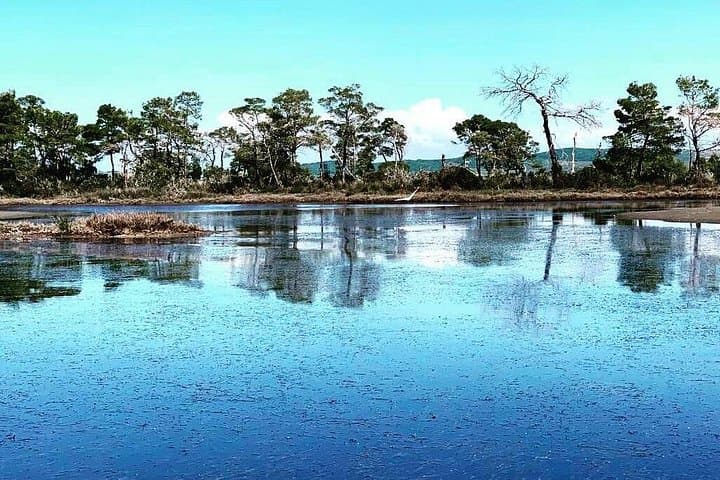
You push off from a narrow launch and the lagoon takes you in—glass-green water lapping the hull, a low reedline hissing as wind moves through it, and pelicans quartering the surface like slow, intent shadows. The boat threads shallow channels, bringing you close to reed islands where birds wheel and the horizon opens toward scrubby dunes and the faint ruin-covered ridge where Apollonia perches.
Verified experiences and guided adventures in the surrounding area.
Operated by Lost In Albania · Fier, Fier County
You push off from a narrow launch and the lagoon takes you in—glass-green water lapping the hull, a low reedline hissing as wind moves through it, and pelicans quartering the surface like slow, intent shadows. The boat threads shallow channels, bringing you close to reed islands where birds wheel and the horizon opens toward scrubby dunes and the faint ruin-covered ridge where Apollonia perches.
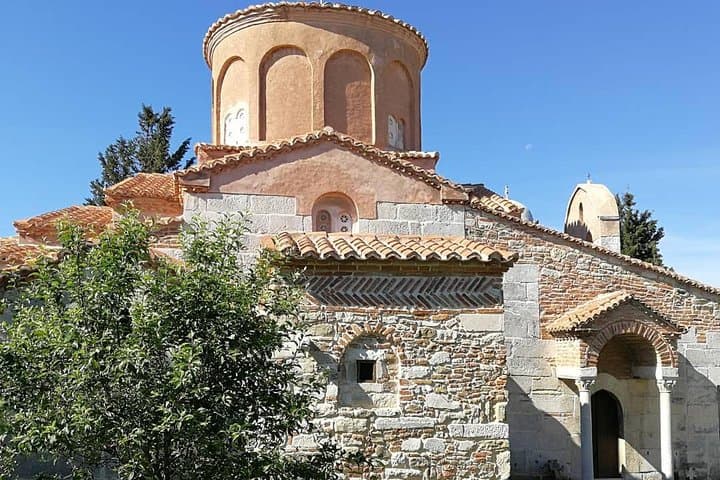
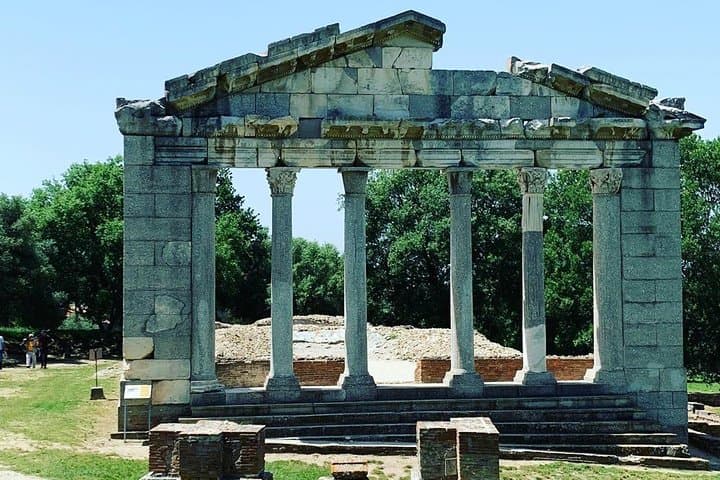
Apollonia was founded as a Greek colony in the 6th century BC and later lived through Roman rule; its ruins — colonnaded streets, a hilltop acropolis, and a compact theater — reveal city life carved into limestone terraces. Geologically, the Karavasta lagoon is a broad coastal wetland shaped by river sediments and Mediterranean tides; its flat, sediment-rich basin is the reason birds congregate here. Local culture still leans on fishing and olive cultivation, and small coastal villages preserve a quiet, practical relationship with the shore.
Practically, the trip is a full-day private tour (about 8–9 hours) combining an on-foot exploration of Apollonia and a guided boat ride in Divjaka-Karavasta National Park. Expect basic walking on archaeological paths and a gentle, low-rolling boat ride in shallow water. Morning departures give the best bird activity and softer light for photography; bring binoculars, sun protection, and a light shell for wind off the lagoon.
Respect marked nesting areas on reed islands, follow your guide’s instructions when approaching wildlife, and be prepared for an accessible but active day of travel between sites. The day pairs cultural depth with raw coastal nature—ideal for travelers who want both history and wildlife in a single, practical outing.
easy.
8–9 hours.
Suitable for most fitness levels; includes moderate walking on uneven surfaces and stable, low-impact boating
The tour runs about 8–9 hours total, combining roughly two hours at Apollonia and a boat segment plus transit time in between.
Yes; the boat trip is low-rolling and guides report it as suitable for all fitness levels, though those with limited mobility should request assistance and the operator can provide infant seats if needed.
Spring and early autumn migrations concentrate birds in the lagoon, and mornings generally offer the most active viewing.
According to the itinerary, admission to both sites is included and transport is provided in an air-conditioned vehicle; confirm pickup details when booking.
Apollonia began as a Greek colony in the 6th century BC and later became an important Roman provincial center; its urban grid and public buildings reflect centuries of Mediterranean trade and governance.
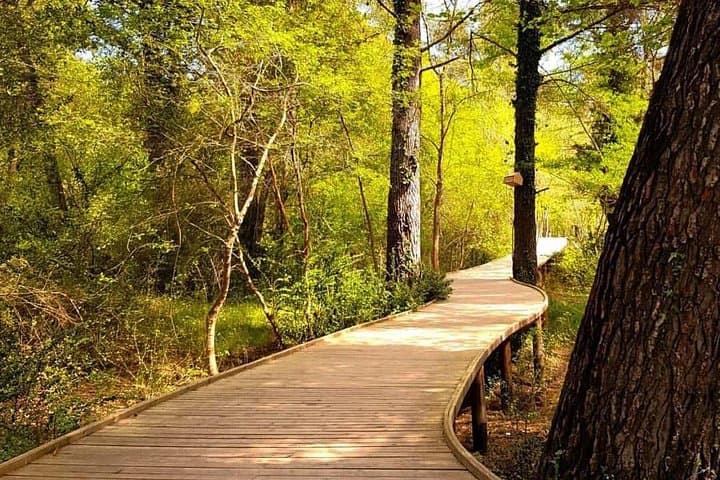
Karavasta is a designated Ramsar wetland; visitors should avoid disturbing reed beds and nesting islands, follow boardwalks where provided, and support local conservation efforts by respecting access rules.
Lost In Albania operates guided outdoor trips and adventures with an emphasis on safety, stewardship, and memorable experiences.
You push off from a narrow launch and the lagoon takes you in—glass-green water lapping the hull, a low reedline hissing as wind moves through it, and pelicans quartering the surface like slow, intent shadows. The boat threads shallow channels, bringing you close to reed islands where birds wheel and the horizon opens toward scrubby dunes and the faint ruin-covered ridge where Apollonia perches.
You push off from a narrow launch and the lagoon takes you in—glass-green water lapping the hull, a low reedline hissing as wind moves through it, and pelicans quartering the surface like slow, intent shadows. The boat threads shallow channels, bringing you close to reed islands where birds wheel and the horizon opens toward scrubby dunes and the faint ruin-covered ridge where Apollonia perches.
Apollonia was founded as a Greek colony in the 6th century BC and later lived through Roman rule; its ruins — colonnaded streets, a hilltop acropolis, and a compact theater — reveal city life carved into limestone terraces. Geologically, the Karavasta lagoon is a broad coastal wetland shaped by river sediments and Mediterranean tides; its flat, sediment-rich basin is the reason birds congregate here. Local culture still leans on fishing and olive cultivation, and small coastal villages preserve a quiet, practical relationship with the shore.
Practically, the trip is a full-day private tour (about 8–9 hours) combining an on-foot exploration of Apollonia and a guided boat ride in Divjaka-Karavasta National Park. Expect basic walking on archaeological paths and a gentle, low-rolling boat ride in shallow water. Morning departures give the best bird activity and softer light for photography; bring binoculars, sun protection, and a light shell for wind off the lagoon.
Respect marked nesting areas on reed islands, follow your guide’s instructions when approaching wildlife, and be prepared for an accessible but active day of travel between sites. The day pairs cultural depth with raw coastal nature—ideal for travelers who want both history and wildlife in a single, practical outing.