THE ADVENTURE COLLECTIVE® · Independent discovery and booking for outdoor travel

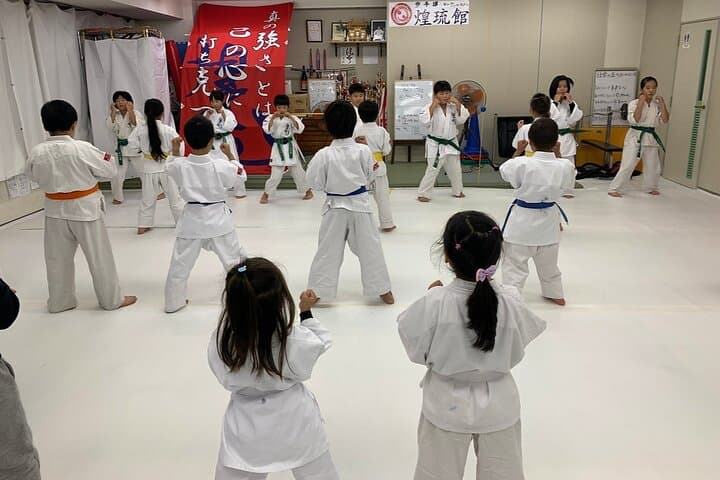
Train basic kata and controlled striking in a traditional Sakaide dojo during a 90‑minute beginner session. Expect hands-on instruction, barefoot mat work, and a guided introduction to karate’s technical and mental components.
Train basic kata and controlled striking in a traditional Sakaide dojo during a 90‑minute beginner session. Expect hands-on instruction, barefoot mat work, and a guided introduction to karate’s technical and mental components.
You step off at JR Sakaide Station and follow the murmur of foot traffic toward a low, wooden building where the floor smells faintly of oil and practice. A short walk from the platform places you inside a compact dojo: sunlight carving bright rectangles on polished wood, the instructor’s voice cutting through the quiet as you bow and take your place.
Verified experiences and guided adventures in the surrounding area.
Operated by Shuminavi Inc. · Sakaide, Kagawa Prefecture
You step off at JR Sakaide Station and follow the murmur of foot traffic toward a low, wooden building where the floor smells faintly of oil and practice. A short walk from the platform places you inside a compact dojo: sunlight carving bright rectangles on polished wood, the instructor’s voice cutting through the quiet as you bow and take your place.
Karate’s practical lineage runs from Okinawa’s fighting traditions into modern Japanese budo, and Kagawa’s dojos keep both form and discipline visible in each kata. Expect a beginner-friendly sequence: warmups, basic stances and strikes, a guided kata demonstration, then sandbag work for controlled thrusts and kicks. The class blends physical repetition with a focus on breathing and mental focus—the “spirit” component of budo—rather than full-contact sparring.
This 90-minute private session starts at JR Sakaide Station (10-minute walk). Dress in light exercise clothes (no rental), bring a towel and water, and be prepared to train barefoot on the mat. Staff accommodate varying fitness levels and structure drills so newcomers can participate safely. Accessibility is good for getting to the dojo, but active moves require mobility; the provider advises against participation during pregnancy.
Practical tips: arrive early to change, follow etiquette (clean hands, quiet alertness), and tell instructors about injuries. After class, stroll to the Seto Ohashi viewpoints or try nearby udon — both are good ways to ground the intensity of practice in local flavors.
easy.
1.5 hours.
Suitable for beginners and those in general good health; expect moderate aerobic and coordination work.
No—this class is designed for beginners; instructors guide basic stances, strikes and kata at an easy pace.
No clothing rental is available—come dressed in comfortable exercise clothes you can move in and that you don’t mind getting sweaty.
Infants can be present but the training is aimed at adults and older children; check age restrictions with the provider during booking.
No—the session focuses on technique, kata and controlled bag work rather than full-contact fighting.
Karate traces roots to Okinawan fighting systems and was formalized in mainland Japan; modern classes mix kata, discipline and sport-oriented drills.
Respecting dojo spaces—removing shoes, minimizing waste, and supporting small local businesses—helps preserve cultural practice and neighborhood character.
Shuminavi Inc. operates guided outdoor trips and adventures with an emphasis on safety, stewardship, and memorable experiences.
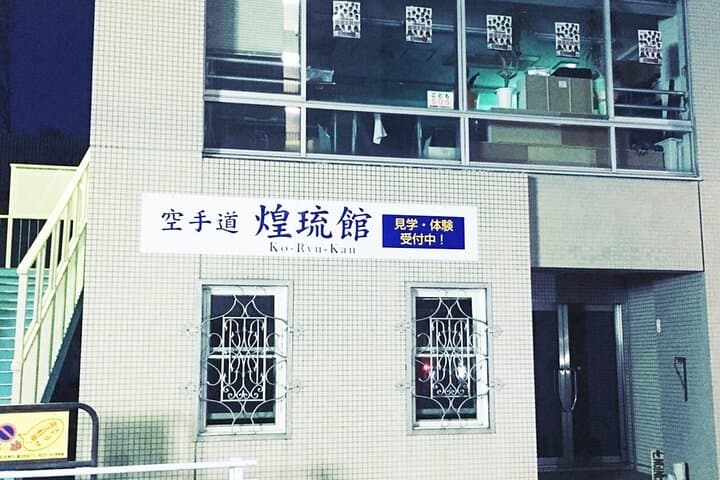
You step off at JR Sakaide Station and follow the murmur of foot traffic toward a low, wooden building where the floor smells faintly of oil and practice. A short walk from the platform places you inside a compact dojo: sunlight carving bright rectangles on polished wood, the instructor’s voice cutting through the quiet as you bow and take your place.
You step off at JR Sakaide Station and follow the murmur of foot traffic toward a low, wooden building where the floor smells faintly of oil and practice. A short walk from the platform places you inside a compact dojo: sunlight carving bright rectangles on polished wood, the instructor’s voice cutting through the quiet as you bow and take your place.
Karate’s practical lineage runs from Okinawa’s fighting traditions into modern Japanese budo, and Kagawa’s dojos keep both form and discipline visible in each kata. Expect a beginner-friendly sequence: warmups, basic stances and strikes, a guided kata demonstration, then sandbag work for controlled thrusts and kicks. The class blends physical repetition with a focus on breathing and mental focus—the “spirit” component of budo—rather than full-contact sparring.
This 90-minute private session starts at JR Sakaide Station (10-minute walk). Dress in light exercise clothes (no rental), bring a towel and water, and be prepared to train barefoot on the mat. Staff accommodate varying fitness levels and structure drills so newcomers can participate safely. Accessibility is good for getting to the dojo, but active moves require mobility; the provider advises against participation during pregnancy.
Practical tips: arrive early to change, follow etiquette (clean hands, quiet alertness), and tell instructors about injuries. After class, stroll to the Seto Ohashi viewpoints or try nearby udon — both are good ways to ground the intensity of practice in local flavors.