THE ADVENTURE COLLECTIVE® · Independent discovery and booking for outdoor travel

Train posture, breath and basic kata in a private three-hour dojo session in Fukuoka. This beginner-friendly class teaches uniform etiquette, kihon and a short meditation to sharpen focus.
Train posture, breath and basic kata in a private three-hour dojo session in Fukuoka. This beginner-friendly class teaches uniform etiquette, kihon and a short meditation to sharpen focus.
The tatami greets you with a quiet firmness; sunlight from a narrow window sketches the dust motes and the air smells faintly of polished wood and sweat. In a compact Fukuoka dojo you’ll stand barefoot, bow, and move through measured patterns—simple steps that reveal a long, exacting discipline.
Verified experiences and guided adventures in the surrounding area.
Operated by SMEKK Inc Stars Japan Travel · Fukuoka, Fukuoka Prefecture
The tatami greets you with a quiet firmness; sunlight from a narrow window sketches the dust motes and the air smells faintly of polished wood and sweat. In a compact Fukuoka dojo you’ll stand barefoot, bow, and move through measured patterns—simple steps that reveal a long, exacting discipline.
Karate’s roots trace from Ryukyu (modern Okinawa) and Chinese fist arts into mainland Japan where etiquette and kata were refined into modern practice. Fukuoka sits on Kyushu’s northern coast—Hakata’s merchant history and proximity to the Asian mainland shaped a pragmatic, no-nonsense martial culture. The island geology of Kyushu (near volcanic peaks like Mount Aso) made hardiness and adaptability part of local life; that same practicality shows in karate’s focus on posture, breath, and efficient movement.
This three-hour class covers wearing the uniform, basic stances (kihon), simple kata, and breathing/meditation exercises used to steady focus. Expect hands-on corrections from bilingual instructors, repeated drills, and a short guided meditation to close. The pace is beginner-friendly but disciplined: you’ll be asked to concentrate, follow dojo manners, and practice controlled strikes—no sparring contact unless explicitly taught.
Practical tips: arrive hydrated, trim nails, wear breathable athletic wear you can remove for gi fitting, and leave jewelry behind. The experience is private and adaptable to fitness levels, but not recommended for pregnant participants or those with serious spinal or cardiac conditions. Finished, step back into Hakata’s streets with a clearer posture and a quieter breath.
easy.
3 hours.
Suitable for most adults with basic mobility and balance; able to kneel, stand and perform light aerobic movement.
No—this class is designed for beginners and covers basic stances, etiquette, and a short kata sequence.
No protective gear is required for beginner drills and meditation; any partner contact will be low intensity and supervised.
Instructors typically assist with uniform fitting; check at booking whether a gi is provided or if you should bring your own.
The activity accepts a wide range of ages, but bookings ask for age information—children or participants with special needs should be confirmed in advance.
Karate developed in the Ryukyu Islands and was codified in mainland Japan during the 20th century; Fukuoka’s position as Kyushu’s gateway helped spread martial traditions and cross-cultural exchange.
Respect dojo rules: no street shoes on tatami and use provided cleaning stations; these low-impact practices protect training spaces and keep community classes available.
SMEKK Inc Stars Japan Travel operates guided outdoor trips and adventures with an emphasis on safety, stewardship, and memorable experiences.
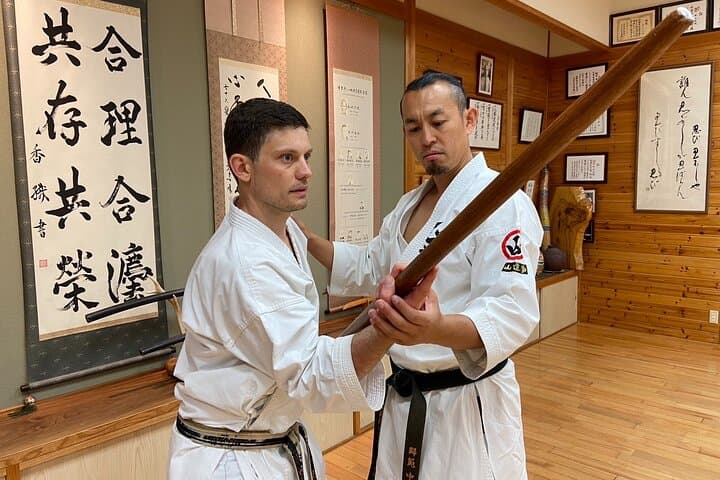
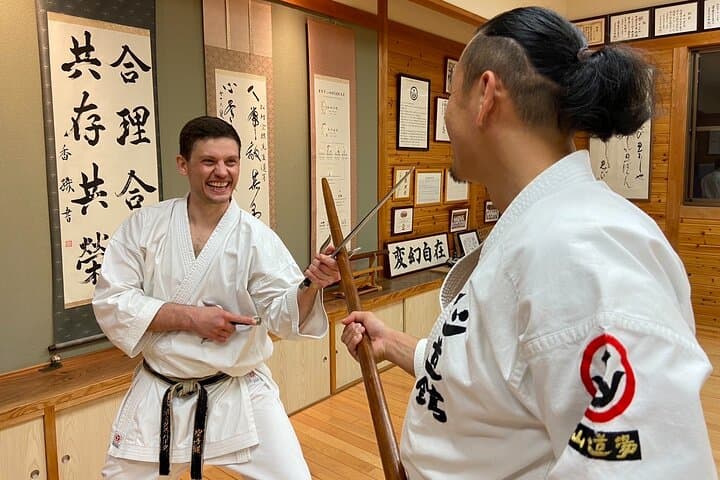
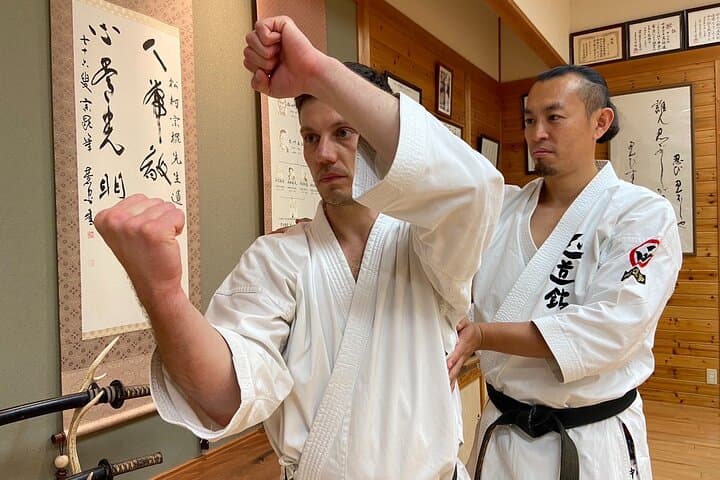
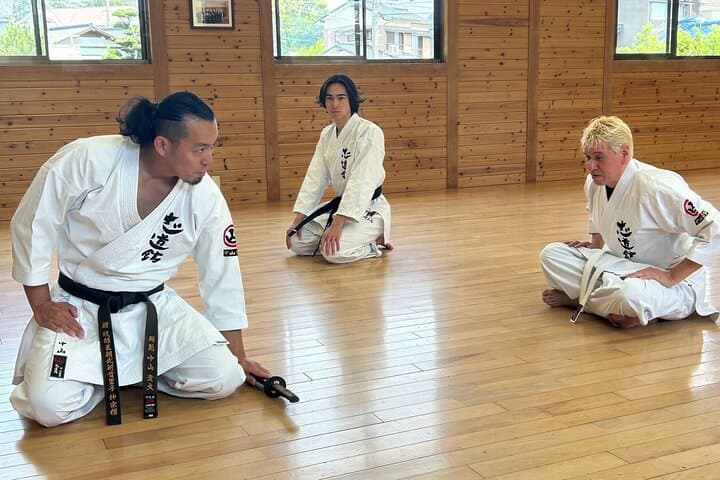
The tatami greets you with a quiet firmness; sunlight from a narrow window sketches the dust motes and the air smells faintly of polished wood and sweat. In a compact Fukuoka dojo you’ll stand barefoot, bow, and move through measured patterns—simple steps that reveal a long, exacting discipline.
The tatami greets you with a quiet firmness; sunlight from a narrow window sketches the dust motes and the air smells faintly of polished wood and sweat. In a compact Fukuoka dojo you’ll stand barefoot, bow, and move through measured patterns—simple steps that reveal a long, exacting discipline.
Karate’s roots trace from Ryukyu (modern Okinawa) and Chinese fist arts into mainland Japan where etiquette and kata were refined into modern practice. Fukuoka sits on Kyushu’s northern coast—Hakata’s merchant history and proximity to the Asian mainland shaped a pragmatic, no-nonsense martial culture. The island geology of Kyushu (near volcanic peaks like Mount Aso) made hardiness and adaptability part of local life; that same practicality shows in karate’s focus on posture, breath, and efficient movement.
This three-hour class covers wearing the uniform, basic stances (kihon), simple kata, and breathing/meditation exercises used to steady focus. Expect hands-on corrections from bilingual instructors, repeated drills, and a short guided meditation to close. The pace is beginner-friendly but disciplined: you’ll be asked to concentrate, follow dojo manners, and practice controlled strikes—no sparring contact unless explicitly taught.
Practical tips: arrive hydrated, trim nails, wear breathable athletic wear you can remove for gi fitting, and leave jewelry behind. The experience is private and adaptable to fitness levels, but not recommended for pregnant participants or those with serious spinal or cardiac conditions. Finished, step back into Hakata’s streets with a clearer posture and a quieter breath.