THE ADVENTURE COLLECTIVE® · Independent discovery and booking for outdoor travel

From hidden gold-mining tunnels to a volcanic headland and sweeping beaches, this full-day tour from Auckland pairs industrial heritage with coastal clarity. Walk easy gorge tracks, explore miner relics, then finish beside the blue of the Bay of Plenty.
From hidden gold-mining tunnels to a volcanic headland and sweeping beaches, this full-day tour from Auckland pairs industrial heritage with coastal clarity. Walk easy gorge tracks, explore miner relics, then finish beside the blue of the Bay of Plenty.
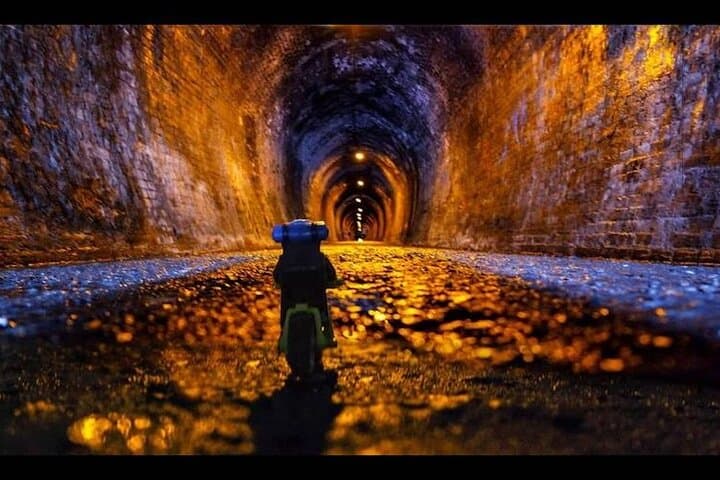
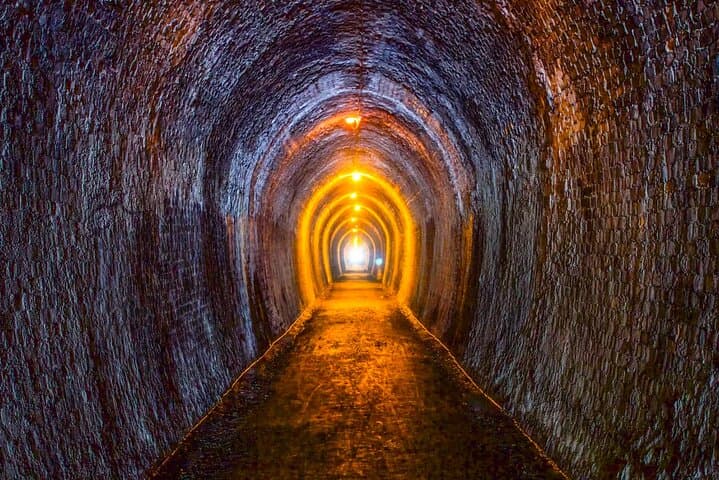
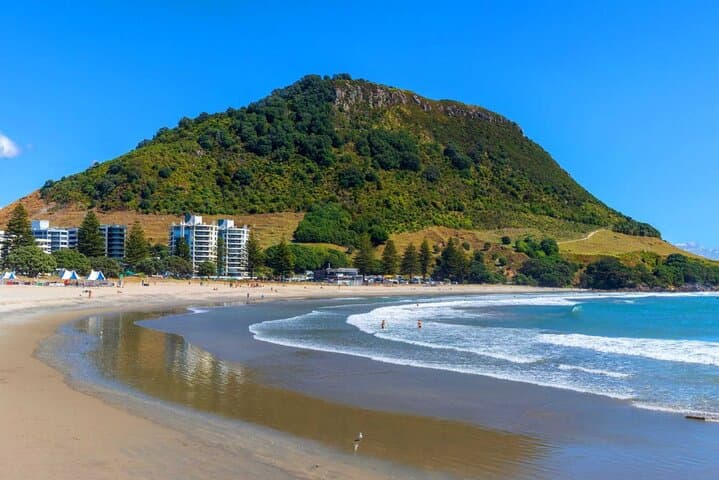
You step off the coach into a narrow cut of river and rock where sunlight threads through beech and rimu, lighted motes drifting across water that seems to dare you to follow. The Karangahake Gorge opens like a chapter of industrial New Zealand — rusted rails, miner-era relics and a network of tunnels that peel back the 19th-century gold rush. Later the coast unfolds: Mount Maunganui’s volcanic headland (Mauao) arcs into the Bay of Plenty and Papamoa’s long beach lays out a ribbon of sand.
Verified experiences and guided adventures in the surrounding area.
Operated by Stevong Travel · Tauranga, Bay of Plenty
You step off the coach into a narrow cut of river and rock where sunlight threads through beech and rimu, lighted motes drifting across water that seems to dare you to follow. The Karangahake Gorge opens like a chapter of industrial New Zealand — rusted rails, miner-era relics and a network of tunnels that peel back the 19th-century gold rush. Later the coast unfolds: Mount Maunganui’s volcanic headland (Mauao) arcs into the Bay of Plenty and Papamoa’s long beach lays out a ribbon of sand.
Geology here is direct and readable: the gorge is carved through ancient schist and volcanic sills, shaped by the Ohinemuri River, while Mauao is a young volcanic cone that anchors Tauranga’s shoreline. Culturally, both places carry stories — Karangahake’s mining heritage and Mauao’s significance to local iwi are visible in names, old structures and the rhythms of daily life on The Strand.
Expect easy walking grades punctuated by stairs and short, dark tunnel sections; some boardwalks cross exposed cliff faces and river flats. Photo stops at viewpoint cutouts, a short guided history along the old battery sites, then a coastal walk or time on the sand at Papamoa wind down the day.
Practical notes: bring a headlamp or a charged phone for tunnels, sturdy shoes for gravel and wet surfaces, sun protection for the beach, and layered rain protection — weather can flip between sun and squall. The tour is long (about 10 hours) but paced for mixed fitness; plan for rest stops, drinking water, and a light lunch or snacks.
moderate.
10 hours.
Suitable for people comfortable with several short walks (up to 3 km sections) and stairs; not strenuous but requires mobility on uneven surfaces.
The full-day tour runs about 10 hours round-trip from Auckland; exact pickup and return times are provided at booking confirmation.
Yes—walks are generally easy to moderate with short distances, but tunnels and uneven ground may be challenging for those with mobility issues.
No specific entry fee for the public tracks; the tour covers guiding and transport, but personal purchases (cafés, souvenirs) are extra.
The itinerary typically includes coastal time and a coastal walk; summit climbs may be optional depending on group pace and conditions.
Karangahake Gorge was a 19th-century gold-mining corridor; remnants of batteries, rail cuttings and miners’ tunnels remain visible. Mauao (Mount Maunganui) is a culturally significant volcanic cone with ancestral stories for local iwi.
Stick to marked tracks to protect fragile native bush and sand dunes; avoid feeding wildlife and follow local guidance on waste disposal to minimize visitor impact.
Stevong Travel operates guided outdoor trips and adventures with an emphasis on safety, stewardship, and memorable experiences.
You step off the coach into a narrow cut of river and rock where sunlight threads through beech and rimu, lighted motes drifting across water that seems to dare you to follow. The Karangahake Gorge opens like a chapter of industrial New Zealand — rusted rails, miner-era relics and a network of tunnels that peel back the 19th-century gold rush. Later the coast unfolds: Mount Maunganui’s volcanic headland (Mauao) arcs into the Bay of Plenty and Papamoa’s long beach lays out a ribbon of sand.
You step off the coach into a narrow cut of river and rock where sunlight threads through beech and rimu, lighted motes drifting across water that seems to dare you to follow. The Karangahake Gorge opens like a chapter of industrial New Zealand — rusted rails, miner-era relics and a network of tunnels that peel back the 19th-century gold rush. Later the coast unfolds: Mount Maunganui’s volcanic headland (Mauao) arcs into the Bay of Plenty and Papamoa’s long beach lays out a ribbon of sand.
Geology here is direct and readable: the gorge is carved through ancient schist and volcanic sills, shaped by the Ohinemuri River, while Mauao is a young volcanic cone that anchors Tauranga’s shoreline. Culturally, both places carry stories — Karangahake’s mining heritage and Mauao’s significance to local iwi are visible in names, old structures and the rhythms of daily life on The Strand.
Expect easy walking grades punctuated by stairs and short, dark tunnel sections; some boardwalks cross exposed cliff faces and river flats. Photo stops at viewpoint cutouts, a short guided history along the old battery sites, then a coastal walk or time on the sand at Papamoa wind down the day.
Practical notes: bring a headlamp or a charged phone for tunnels, sturdy shoes for gravel and wet surfaces, sun protection for the beach, and layered rain protection — weather can flip between sun and squall. The tour is long (about 10 hours) but paced for mixed fitness; plan for rest stops, drinking water, and a light lunch or snacks.