THE ADVENTURE COLLECTIVE® · Independent discovery and booking for outdoor travel

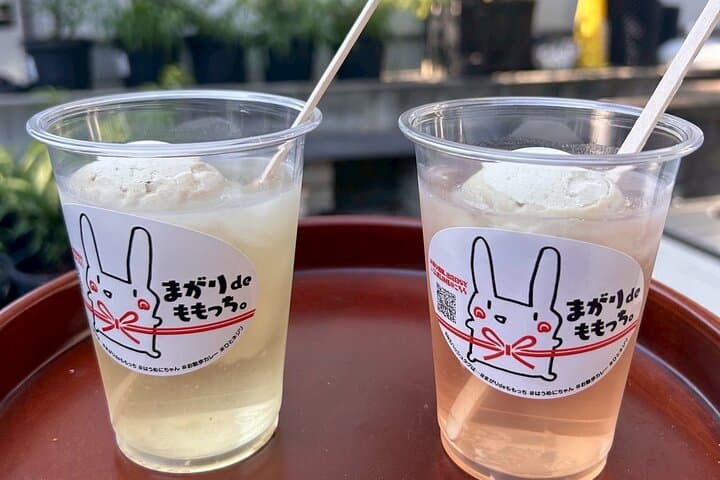
Walk a working peach orchard in Asahara, Kurashiki, hear directly from growers about rare varieties and the Water Ripening Method, and finish with a tasting of the farm’s signature Momo-tein peach drink. This one-hour farm visit is an intimate look at local fruit culture.
Walk a working peach orchard in Asahara, Kurashiki, hear directly from growers about rare varieties and the Water Ripening Method, and finish with a tasting of the farm’s signature Momo-tein peach drink. This one-hour farm visit is an intimate look at local fruit culture.
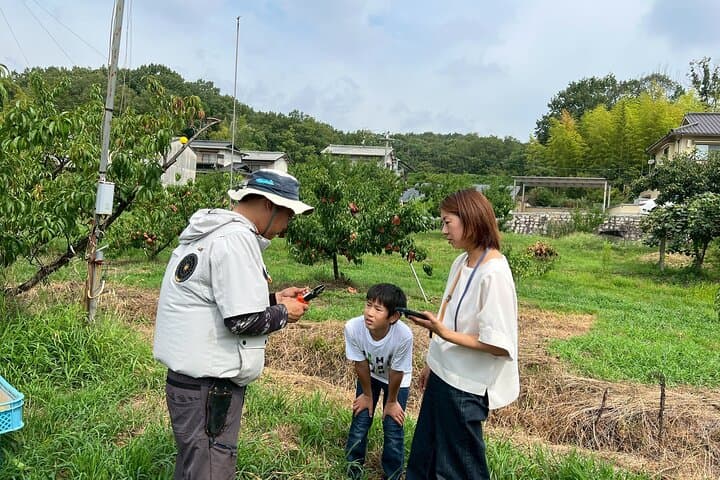
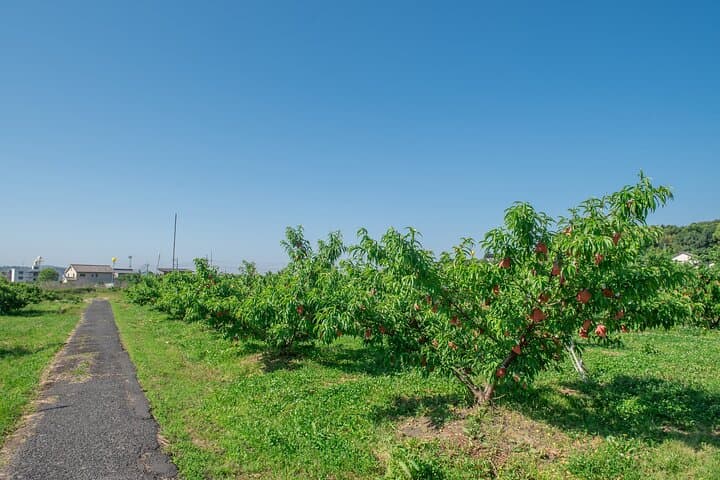
The sun cuts a clean line across rows of peach trees as you step into Karaku, a working orchard in Asahara on the outskirts of Kurashiki. Leaves rustle, fruit-scent lifts on a light breeze, and a farmer gestures to branches heavy with fruit even when harvest isn’t on the calendar. For an hour you walk the dirt lanes, listening to the people who tend these trees and learning how a local post-harvest process—called the Water Ripening Method—helps fruit reach peak sweetness off the branch.
Verified experiences and guided adventures in the surrounding area.
Operated by Local Treasures · Kurashiki, Okayama Prefecture
The sun cuts a clean line across rows of peach trees as you step into Karaku, a working orchard in Asahara on the outskirts of Kurashiki. Leaves rustle, fruit-scent lifts on a light breeze, and a farmer gestures to branches heavy with fruit even when harvest isn’t on the calendar. For an hour you walk the dirt lanes, listening to the people who tend these trees and learning how a local post-harvest process—called the Water Ripening Method—helps fruit reach peak sweetness off the branch.
Okayama Prefecture has long been Japan’s fruit basket; Kurashiki’s gentle hills and temperate climate favor stone fruits. Karaku specializes in rare autumn-bearing varieties and modern techniques that bridge traditional orchard care with small-scale innovation. Along the way you’ll hear about pruning, seasonal labor, and how the farm times irrigation and pick schedules to protect quality.
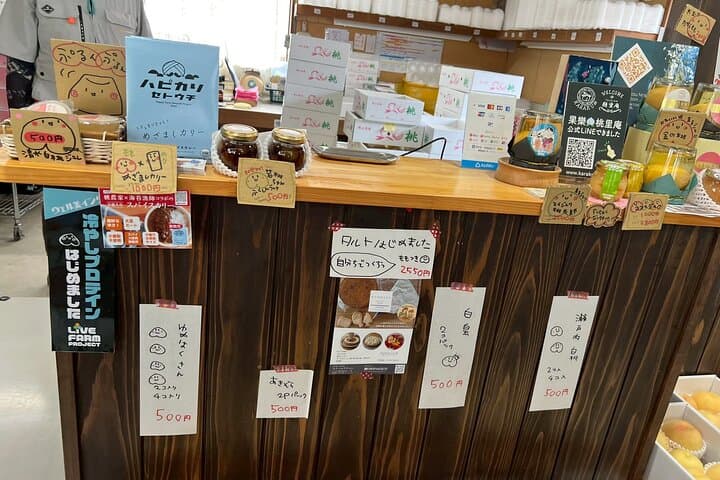
Practical details matter here: the experience is a guided, largely flat stroll of about 60 minutes, ending at the farm’s direct-sales shop for a signature peach drink, Momo-tein. Though fruit picking isn’t offered this season, the tasting and farmer Q&A give rich context—perfect for photographers, food lovers, and curious travelers.
Plan for sun and dirt: wear sturdy, comfortable shoes, bring water, and allow time to drive or taxi to the shop. If rain comes, the presentation moves indoors with views of the orchard. The visit is accessible to most fitness levels and oriented toward learning—leave room in your bag for a peach product or two to take home.
easy.
1 hour.
Suitable for most fitness levels; short, mostly flat walking on dirt paths
Peach picking is not available this season; the experience focuses on an orchard walk, farmer explanations, and a tasting of the Momo-tein peach drink.
The farm advises traveling by private car; taxis can drop visitors at the direct-sales shop. If transport is difficult, notify the farm in advance to arrange a nearby meeting point.
The walk is short and on mostly flat ground, making it suitable for children and many visitors with limited mobility, though uneven dirt paths may require care.
Yes—an English guide is included to explain farming methods and answer questions during the tour.
Okayama has a long tradition of intensive fruit cultivation; Kurashiki growers have developed specialized methods like controlled post-harvest ripening to extend availability.
Small orchards like Karaku often practice careful pruning and controlled irrigation to reduce waste; visitors should avoid touching fruit and carry out any trash to protect the trees.
Local Treasures operates guided outdoor trips and adventures with an emphasis on safety, stewardship, and memorable experiences.
The sun cuts a clean line across rows of peach trees as you step into Karaku, a working orchard in Asahara on the outskirts of Kurashiki. Leaves rustle, fruit-scent lifts on a light breeze, and a farmer gestures to branches heavy with fruit even when harvest isn’t on the calendar. For an hour you walk the dirt lanes, listening to the people who tend these trees and learning how a local post-harvest process—called the Water Ripening Method—helps fruit reach peak sweetness off the branch.
The sun cuts a clean line across rows of peach trees as you step into Karaku, a working orchard in Asahara on the outskirts of Kurashiki. Leaves rustle, fruit-scent lifts on a light breeze, and a farmer gestures to branches heavy with fruit even when harvest isn’t on the calendar. For an hour you walk the dirt lanes, listening to the people who tend these trees and learning how a local post-harvest process—called the Water Ripening Method—helps fruit reach peak sweetness off the branch.
Okayama Prefecture has long been Japan’s fruit basket; Kurashiki’s gentle hills and temperate climate favor stone fruits. Karaku specializes in rare autumn-bearing varieties and modern techniques that bridge traditional orchard care with small-scale innovation. Along the way you’ll hear about pruning, seasonal labor, and how the farm times irrigation and pick schedules to protect quality.
Practical details matter here: the experience is a guided, largely flat stroll of about 60 minutes, ending at the farm’s direct-sales shop for a signature peach drink, Momo-tein. Though fruit picking isn’t offered this season, the tasting and farmer Q&A give rich context—perfect for photographers, food lovers, and curious travelers.
Plan for sun and dirt: wear sturdy, comfortable shoes, bring water, and allow time to drive or taxi to the shop. If rain comes, the presentation moves indoors with views of the orchard. The visit is accessible to most fitness levels and oriented toward learning—leave room in your bag for a peach product or two to take home.