THE ADVENTURE COLLECTIVE® · Independent discovery and booking for outdoor travel

Drive the Karakoram Highway from Sost into the Hunza and Skardu regions, crossing high passes, visiting ancient forts and trekking to Fairy Meadows. This 8–10 day overland route combines dramatic geology, village culture and short alpine hikes.
Drive the Karakoram Highway from Sost into the Hunza and Skardu regions, crossing high passes, visiting ancient forts and trekking to Fairy Meadows. This 8–10 day overland route combines dramatic geology, village culture and short alpine hikes.
The Karakoram highway unspools like a raw ribbon of rock and sky as you step off the border at Sost. Wind pushes dust across sun-warmed tarmac, prayer flags snap at mountain passes, and the peaks—sharp, glaciated, and indifferent—loom beyond the road.
Verified experiences and guided adventures in the surrounding area.
Operated by Hunza Trek & Tours · Sost, Gilgit-Baltistan
The Karakoram highway unspools like a raw ribbon of rock and sky as you step off the border at Sost. Wind pushes dust across sun-warmed tarmac, prayer flags snap at mountain passes, and the peaks—sharp, glaciated, and indifferent—loom beyond the road.
This overland route follows a modern branch of the Silk Road through Khunjerab National Park and the Hunza Valley. Geologically you’re moving from high plateau to jagged granite spires carved by relentless glaciers; culturally you’ll pass centuries-old settlements, stone forts and villages where Wakhi and Burusho languages still shape daily life. Baltit and Altit forts in Karimabad recall Hunza’s feudal past, while Nanga Parbat—the Killer Mountain—dominates the skyline at Fairy Meadows with an unforgiving profile.
Expect a mix of long drives on paved highway and short, steep jeep tracks to high valleys. The itinerary includes short treks (3–4 hours to Fairy Meadows), viewpoint hikes to Beyal Camp and optional walks around Kachura lakes; altitudes range from ~2,000 m in Gilgit to high passes above 4,500 m, so pace your ascent.
Practical guidance: travel with layered clothing, sturdy boots, and a daypack; carry cash (ATMs are sparse) and photocopies of passports/visas. Vehicle comfort varies—jeep rides can be bumpy—and weather is highly changeable; flights from Skardu to Islamabad are weather-dependent, so build buffer days. Book accommodations and permits through a reputable operator, stay hydrated at altitude, and respect local customs when visiting villages. This is a road trip of wide vistas, occasional hardship, and vivid high-mountain rewards.
moderate.
8–10 days.
Moderate fitness recommended — able to handle several hours of walking on uneven trails and long vehicle days
Yes—travelers must hold valid passports and Pakistani visas; border crossing requires immigration checks at Sost/Khunjerab. Check requirements with embassies and let your operator advise on permits.
Hikes are generally short-to-moderate (3–4 hours) over uneven terrain; no technical climbing is required but you should be comfortable on steep trails and grazing paths.
Skardu–Islamabad flights are weather-dependent and often canceled; the itinerary includes overland contingency plans (drive via Chilas/Naran) if flights are grounded.
Yes—altitudes exceed 3,000 m in parts of the trip. Ascend gradually, hydrate, and inform guides of symptoms; severe reactions are uncommon but possible.
The Karakoram Highway traces trade routes used for centuries; Hunza’s Baltit and Altit forts reflect the valley’s strategic role and local craftsmanship.
Road upgrades and increased tourism strain fragile alpine ecosystems—travelers should stick to established trails, avoid single-use plastics, and hire local guides to support sustainable income.
Hunza Trek & Tours operates guided outdoor trips and adventures with an emphasis on safety, stewardship, and memorable experiences.
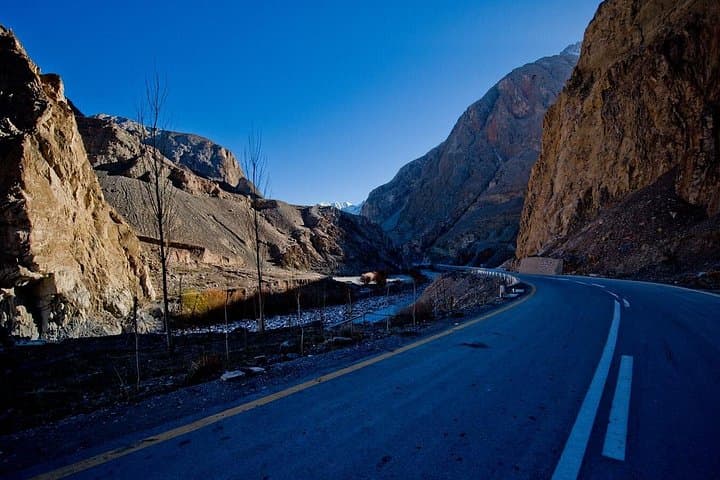
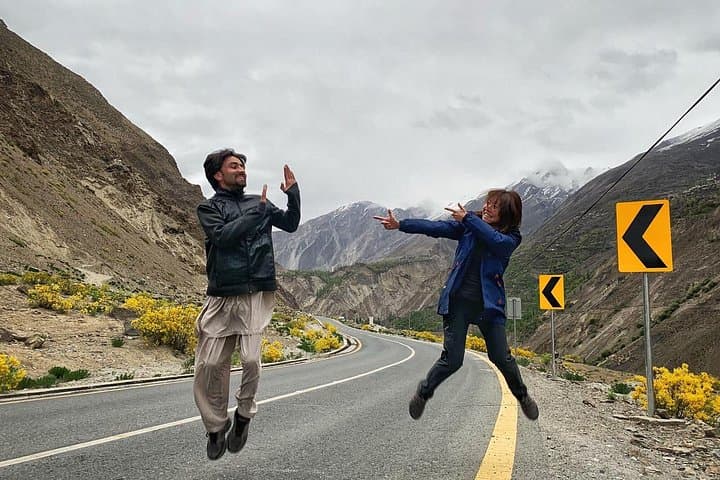
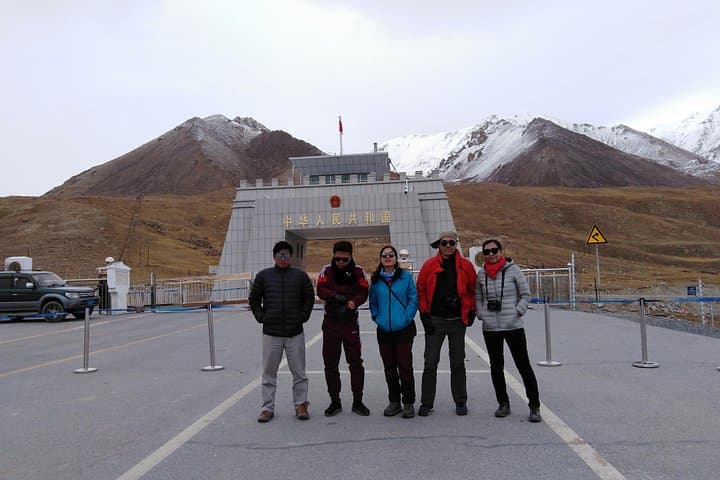
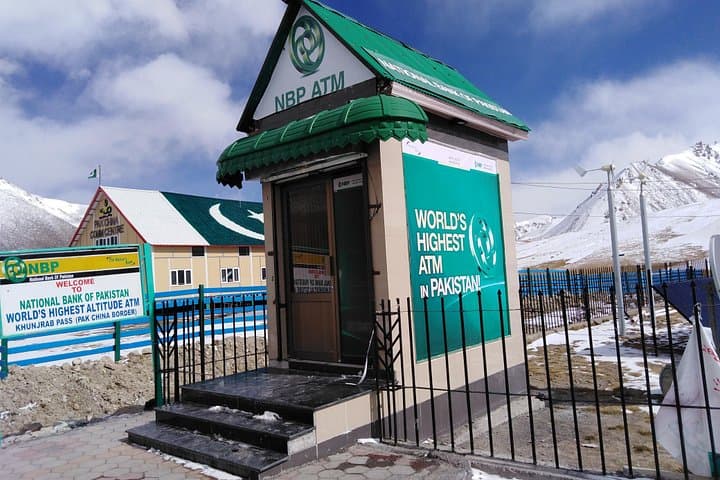
The Karakoram highway unspools like a raw ribbon of rock and sky as you step off the border at Sost. Wind pushes dust across sun-warmed tarmac, prayer flags snap at mountain passes, and the peaks—sharp, glaciated, and indifferent—loom beyond the road.
The Karakoram highway unspools like a raw ribbon of rock and sky as you step off the border at Sost. Wind pushes dust across sun-warmed tarmac, prayer flags snap at mountain passes, and the peaks—sharp, glaciated, and indifferent—loom beyond the road.
This overland route follows a modern branch of the Silk Road through Khunjerab National Park and the Hunza Valley. Geologically you’re moving from high plateau to jagged granite spires carved by relentless glaciers; culturally you’ll pass centuries-old settlements, stone forts and villages where Wakhi and Burusho languages still shape daily life. Baltit and Altit forts in Karimabad recall Hunza’s feudal past, while Nanga Parbat—the Killer Mountain—dominates the skyline at Fairy Meadows with an unforgiving profile.
Expect a mix of long drives on paved highway and short, steep jeep tracks to high valleys. The itinerary includes short treks (3–4 hours to Fairy Meadows), viewpoint hikes to Beyal Camp and optional walks around Kachura lakes; altitudes range from ~2,000 m in Gilgit to high passes above 4,500 m, so pace your ascent.
Practical guidance: travel with layered clothing, sturdy boots, and a daypack; carry cash (ATMs are sparse) and photocopies of passports/visas. Vehicle comfort varies—jeep rides can be bumpy—and weather is highly changeable; flights from Skardu to Islamabad are weather-dependent, so build buffer days. Book accommodations and permits through a reputable operator, stay hydrated at altitude, and respect local customs when visiting villages. This is a road trip of wide vistas, occasional hardship, and vivid high-mountain rewards.