THE ADVENTURE COLLECTIVE® · Independent discovery and booking for outdoor travel

Drive through the Chachapoyas cloud forest to a limestone cliff where two-meter clay sarcophagi peer over an abyss. This private half-day tour includes pick-up, entrance and a bilingual guide for a focused 40-minute visit to one of the region’s most evocative funerary sites.
Drive through the Chachapoyas cloud forest to a limestone cliff where two-meter clay sarcophagi peer over an abyss. This private half-day tour includes pick-up, entrance and a bilingual guide for a focused 40-minute visit to one of the region’s most evocative funerary sites.
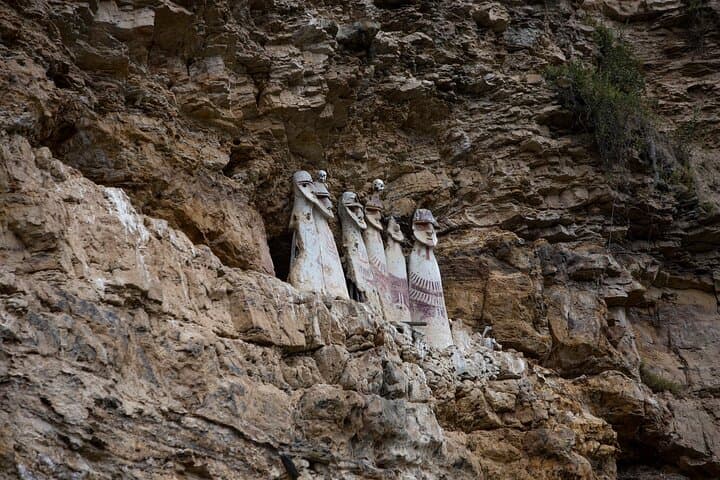
A thin mist lifts off the cloud forest as the van climbs away from Chachapoyas, sunlight slicing through moss-laden trees. After about an hour of narrow, green-lined road you arrive at a limestone escarpment where the Karajía sarcophagi stand like sentinels on the cliff edge—two-meter clay effigies that stare outward over the abyss. The guide points out the carved faces and the weathered pigments as wind brushes over the rocks.
Verified experiences and guided adventures in the surrounding area.
Operated by LimaTours · Chachapoyas, Amazonas
A thin mist lifts off the cloud forest as the van climbs away from Chachapoyas, sunlight slicing through moss-laden trees. After about an hour of narrow, green-lined road you arrive at a limestone escarpment where the Karajía sarcophagi stand like sentinels on the cliff edge—two-meter clay effigies that stare outward over the abyss. The guide points out the carved faces and the weathered pigments as wind brushes over the rocks.
The sarcophagi belong to the Chachapoya culture, a pre-Inca society known for strategic cliffside burials placed at roughly 2,400 meters to protect the dead. Geologically, the site occupies steep limestone outcrops and sheltered niches; funerary architecture intentionally uses inaccessible ledges and caves. Culturally, these anthropomorphic tombs reflect beliefs about ancestral guardians watching over valleys and travel routes.
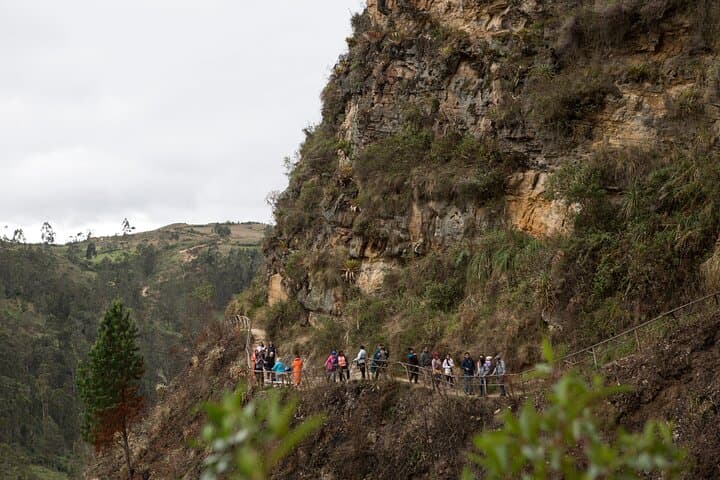
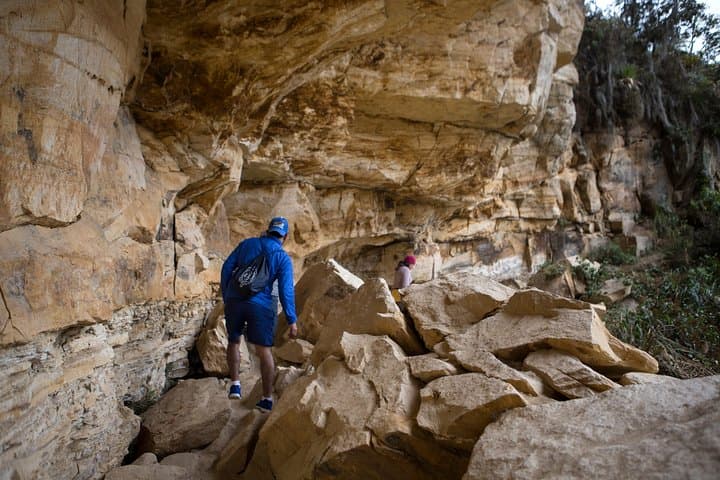
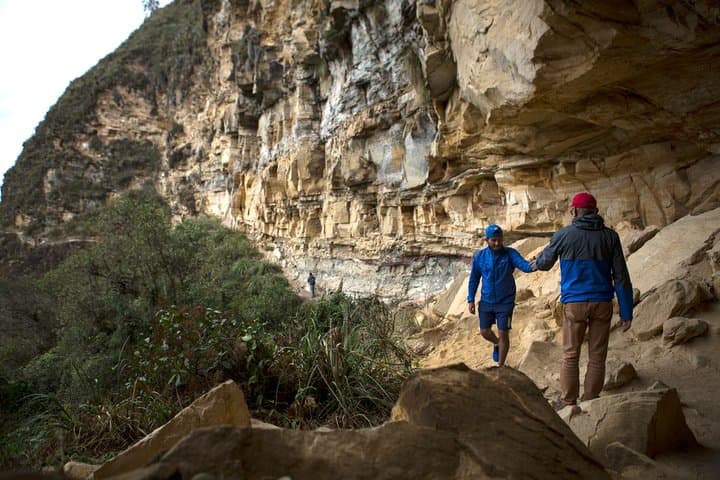
Expect a compact, focused visit—roughly 40 minutes at the site within a five-hour roundtrip that includes pickup, drop-off, and bilingual interpretation. Trails are short but uneven; some scrambling and steps are likely. Weather is a key variable: heavy rains in January–March can make access unreliable. Bring layered clothing for high-altitude sun and sudden showers, sun protection, sturdy shoes, and local currency for snacks or tips.
Practical notes: moderate fitness and steady footing are required; the operator provides entrance and guide services. The tour balances archaeological insight with on-the-ground logistics, making it a good half-day option for travelers based in Chachapoyas who want an efficient, interpretive look at one of the region’s most striking funerary sites.
moderate.
5 hours.
Moderate; able to walk short uneven trails and handle brief stair or scramble sections at altitude
The visit to the Karajía sarcophagi typically lasts about 40 minutes, enough time for viewing and guided interpretation.
Not recommended for pregnant travelers; children can join if they can manage short, uneven walks and follow safety guidance.
Yes—bring Peruvian soles for snacks, drinks, tips and souvenirs; cards may not be accepted at small vendors.
Heavy rains (often Jan–Mar) can make access difficult and the operator may cancel or alter the itinerary for safety.
The Chachapoya people placed human-shaped tombs on high, inaccessible ledges to protect remains and mark ancestral territories; these sarcophagi blend funerary function with visible guardianship of the landscape.
Fragile cliffside sites are vulnerable to erosion and visitor impact; stay on established paths, avoid touching the clay figures, and follow guide instructions to minimize wear.
LimaTours operates guided outdoor trips and adventures with an emphasis on safety, stewardship, and memorable experiences.
A thin mist lifts off the cloud forest as the van climbs away from Chachapoyas, sunlight slicing through moss-laden trees. After about an hour of narrow, green-lined road you arrive at a limestone escarpment where the Karajía sarcophagi stand like sentinels on the cliff edge—two-meter clay effigies that stare outward over the abyss. The guide points out the carved faces and the weathered pigments as wind brushes over the rocks.
A thin mist lifts off the cloud forest as the van climbs away from Chachapoyas, sunlight slicing through moss-laden trees. After about an hour of narrow, green-lined road you arrive at a limestone escarpment where the Karajía sarcophagi stand like sentinels on the cliff edge—two-meter clay effigies that stare outward over the abyss. The guide points out the carved faces and the weathered pigments as wind brushes over the rocks.
The sarcophagi belong to the Chachapoya culture, a pre-Inca society known for strategic cliffside burials placed at roughly 2,400 meters to protect the dead. Geologically, the site occupies steep limestone outcrops and sheltered niches; funerary architecture intentionally uses inaccessible ledges and caves. Culturally, these anthropomorphic tombs reflect beliefs about ancestral guardians watching over valleys and travel routes.
Expect a compact, focused visit—roughly 40 minutes at the site within a five-hour roundtrip that includes pickup, drop-off, and bilingual interpretation. Trails are short but uneven; some scrambling and steps are likely. Weather is a key variable: heavy rains in January–March can make access unreliable. Bring layered clothing for high-altitude sun and sudden showers, sun protection, sturdy shoes, and local currency for snacks or tips.
Practical notes: moderate fitness and steady footing are required; the operator provides entrance and guide services. The tour balances archaeological insight with on-the-ground logistics, making it a good half-day option for travelers based in Chachapoyas who want an efficient, interpretive look at one of the region’s most striking funerary sites.