THE ADVENTURE COLLECTIVE® · Independent discovery and booking for outdoor travel

A six-day loop from Pokhara to Sikles that combines Gurung villages, rhododendron forests, Kapuche’s glacier-fed lake and the high Kori Danda ridge. Expect craggy viewpoints, teahouse nights and steady climbs to 3,800 m.
A six-day loop from Pokhara to Sikles that combines Gurung villages, rhododendron forests, Kapuche’s glacier-fed lake and the high Kori Danda ridge. Expect craggy viewpoints, teahouse nights and steady climbs to 3,800 m.
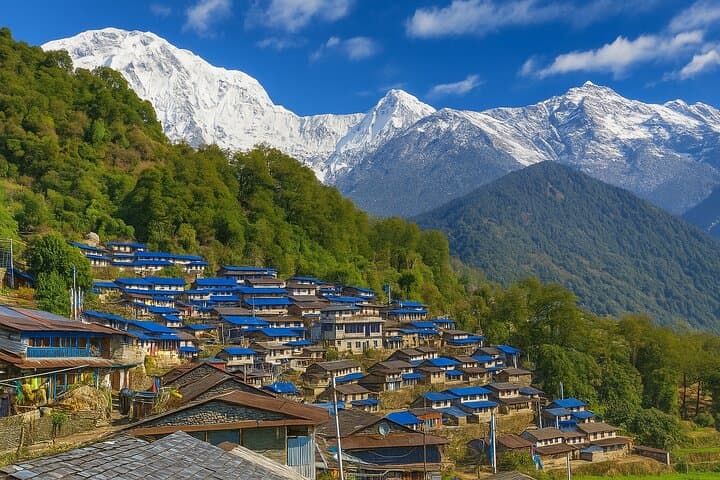
Before dawn the bus pulls out of Lakeside, Pokhara, and the road climbs into green hills—the terraces roll like stitched quilts and smoke from hearths laces the air. By mid-morning Sikles village appears: stone houses, women carrying fodder, and trails that thread into rhododendron forest. Over six days the route alternates between shaded single-track, open alpine meadows, and bare ridgelines that put the Annapurna massif within arm’s reach.
Verified experiences and guided adventures in the surrounding area.
Operated by Mountain Hike Nepal · Sikles, Gandaki Province
Before dawn the bus pulls out of Lakeside, Pokhara, and the road climbs into green hills—the terraces roll like stitched quilts and smoke from hearths laces the air. By mid-morning Sikles village appears: stone houses, women carrying fodder, and trails that thread into rhododendron forest. Over six days the route alternates between shaded single-track, open alpine meadows, and bare ridgelines that put the Annapurna massif within arm’s reach.
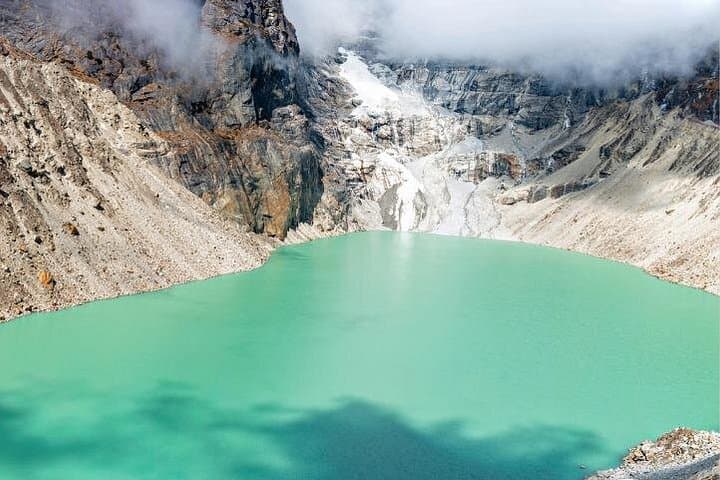
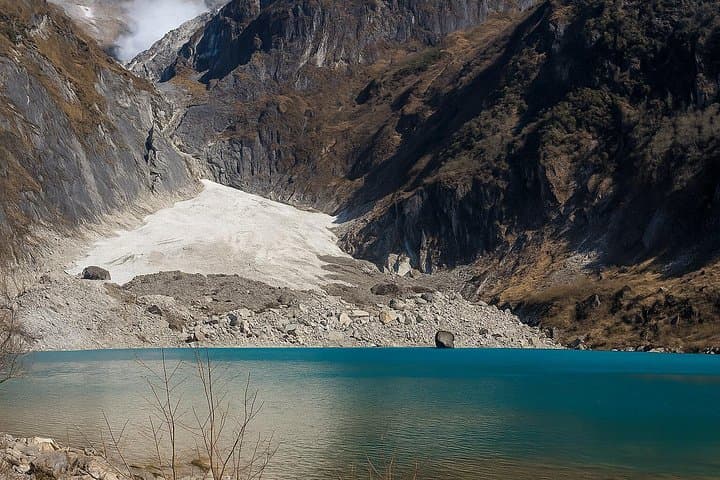
The trek follows long-established Gurung pathways. Sikles is an active Gurung settlement with agricultural terraces and a living culture shaped by transhumance and mountain trade. Geologically the valley drains toward higher glaciated basins; Kapuche Lake (about 2,546 m) sits in a cirque fed by glacial melt, while Kori Danda (3,800 m) is a sharp ridge carved by uplift and erosion that delivers panoramic views of Annapurna, Machhapuchhre, and Lamjung.
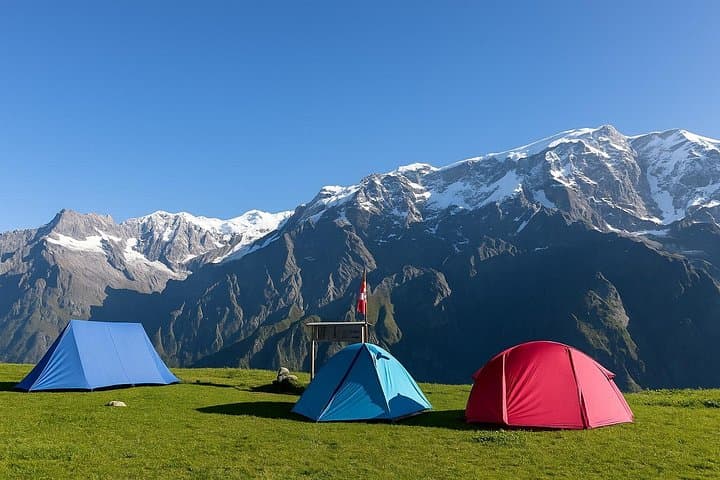
Expect day stages of 4–6 hours on well-worn trails, with climbs from Sikles (1,980 m) up to 3,800 m overall—roughly 1,800 m of net elevation gain over the trek. Terrain includes stone staircases, muddy forest paths, grassy meadows, and short scree near high ridgelines. Teahouse accommodation and local meals make it a social, practical route for trekkers wanting culture and scenery without full alpine logistics.
Practical notes: acclimatize deliberately, carry 2–3 liters of water per day, and use sturdy boots and trekking poles for steep descents. Permits (ACAP, TIMS) and a licensed Sherpa guide are typically included; reserve cash for teahouse purchases. Start early on summit days for clearer skies and calmer winds.
moderate.
6 days.
Good aerobic base and comfort hiking 4–6 hours daily with sustained climbs; prior multi-day hiking experience recommended
Yes—ACAP and TIMS permits are required and are typically arranged by the operator and included in the package.
Moderate fitness—expect full days of trekking with sustained elevation gain; prior multi-day hiking experience is helpful.
Yes—teahouse accommodation and local meals are available in Sikles, Hugu Goth, Nohtha and nearby stops, though services are basic at higher elevations.
Limited cell coverage is common; some teahouses offer paid charging and occasional Wi‑Fi but plan for intermittent service.
Sikles and surrounding trails developed over centuries as Gurung agricultural settlements and local trade routes connecting subalpine pastures with lower valleys.
The region falls under community-managed conservation practices; stick to trails, avoid single-use plastics, and support local teahouses to keep tourism sustainable.
Mountain Hike Nepal operates guided outdoor trips and adventures with an emphasis on safety, stewardship, and memorable experiences.
Before dawn the bus pulls out of Lakeside, Pokhara, and the road climbs into green hills—the terraces roll like stitched quilts and smoke from hearths laces the air. By mid-morning Sikles village appears: stone houses, women carrying fodder, and trails that thread into rhododendron forest. Over six days the route alternates between shaded single-track, open alpine meadows, and bare ridgelines that put the Annapurna massif within arm’s reach.
Before dawn the bus pulls out of Lakeside, Pokhara, and the road climbs into green hills—the terraces roll like stitched quilts and smoke from hearths laces the air. By mid-morning Sikles village appears: stone houses, women carrying fodder, and trails that thread into rhododendron forest. Over six days the route alternates between shaded single-track, open alpine meadows, and bare ridgelines that put the Annapurna massif within arm’s reach.
The trek follows long-established Gurung pathways. Sikles is an active Gurung settlement with agricultural terraces and a living culture shaped by transhumance and mountain trade. Geologically the valley drains toward higher glaciated basins; Kapuche Lake (about 2,546 m) sits in a cirque fed by glacial melt, while Kori Danda (3,800 m) is a sharp ridge carved by uplift and erosion that delivers panoramic views of Annapurna, Machhapuchhre, and Lamjung.
Expect day stages of 4–6 hours on well-worn trails, with climbs from Sikles (1,980 m) up to 3,800 m overall—roughly 1,800 m of net elevation gain over the trek. Terrain includes stone staircases, muddy forest paths, grassy meadows, and short scree near high ridgelines. Teahouse accommodation and local meals make it a social, practical route for trekkers wanting culture and scenery without full alpine logistics.
Practical notes: acclimatize deliberately, carry 2–3 liters of water per day, and use sturdy boots and trekking poles for steep descents. Permits (ACAP, TIMS) and a licensed Sherpa guide are typically included; reserve cash for teahouse purchases. Start early on summit days for clearer skies and calmer winds.