THE ADVENTURE COLLECTIVE® · Independent discovery and booking for outdoor travel

Board a short ferry from Paraparaumu for a day on Kapiti Island—a pest-free nature reserve where guided walks, native birdlife, and a lodge lunch make for a memorable half-day to full-day outing. Learn the island’s history and conservation story while following forested ridgelines to sunlit bays.
Board a short ferry from Paraparaumu for a day on Kapiti Island—a pest-free nature reserve where guided walks, native birdlife, and a lodge lunch make for a memorable half-day to full-day outing. Learn the island’s history and conservation story while following forested ridgelines to sunlit bays.
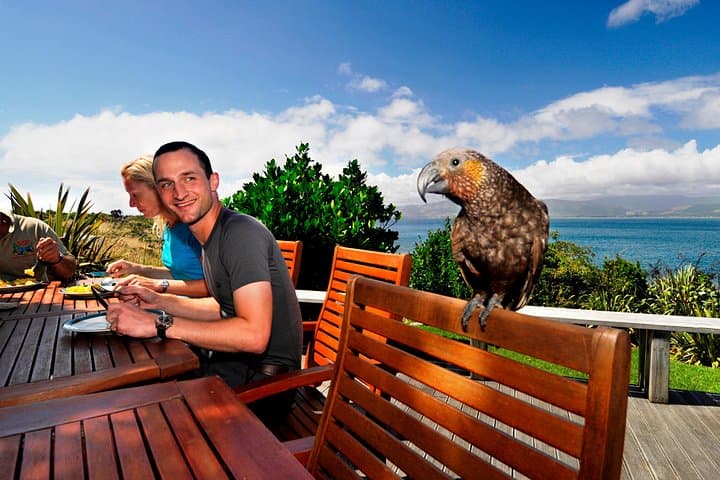
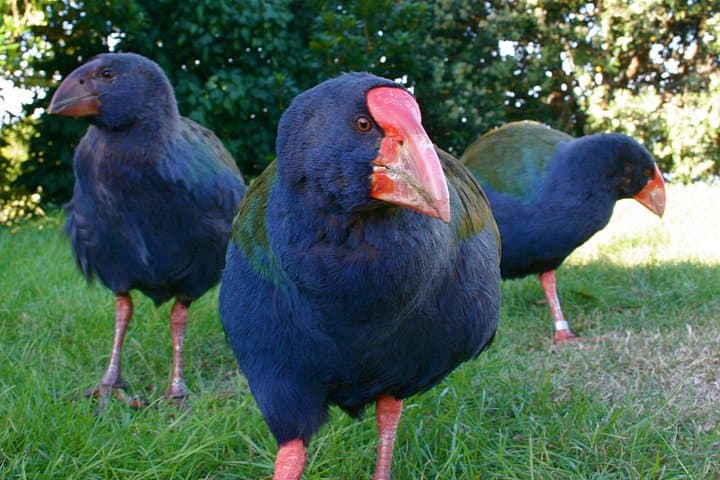
The ferry slips away from Paraparaumu Beach and the mainland shrinks into a ribbon of sand; wind pushes the boat forward and the island rises like a green spine against the horizon. Arriving at Waiorua, you step onto Kapiti’s predator-free shores where pōhutukawa and rewarewa lean toward the sea and birds move with confident curiosity.
Verified experiences and guided adventures in the surrounding area.
Operated by Kapiti Island Nature Tours · Paraparaumu, Wellington
The ferry slips away from Paraparaumu Beach and the mainland shrinks into a ribbon of sand; wind pushes the boat forward and the island rises like a green spine against the horizon. Arriving at Waiorua, you step onto Kapiti’s predator-free shores where pōhutukawa and rewarewa lean toward the sea and birds move with confident curiosity.
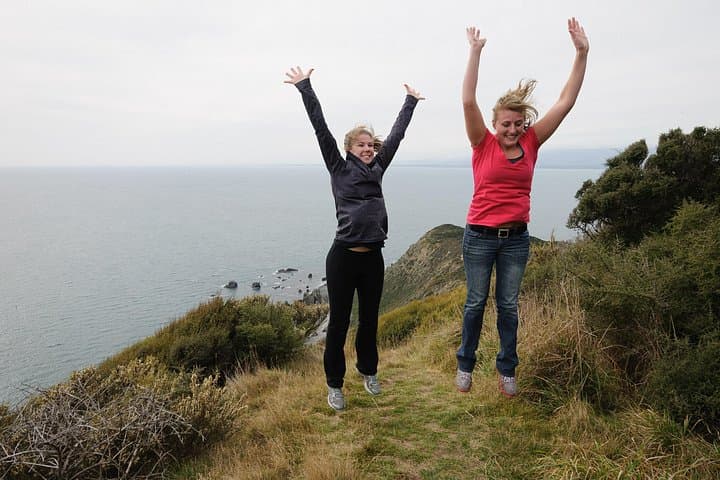
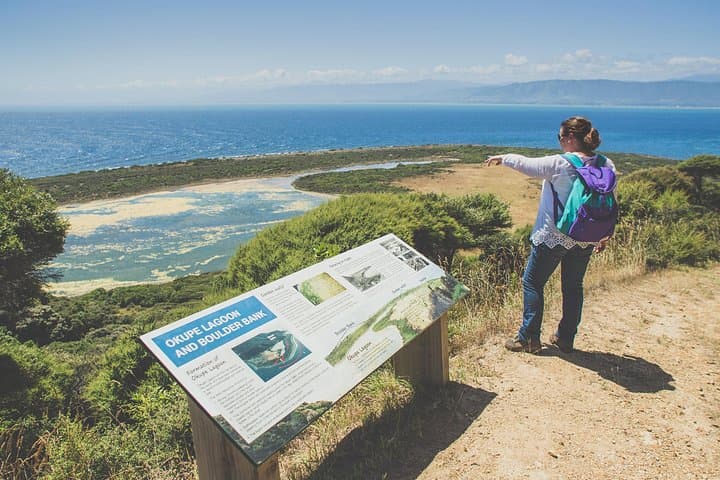
Kapiti Island is a long-protected nature reserve with deep Māori significance and a modern history of ecological restoration. Decades of predator control and translocations have made it one of New Zealand’s most successful sanctuaries—home to reintroduced species and rare forest birds. Geologically, the island reads as a steep, folded ridge sculpted by coastal forces; trails climb ridgelines and drop to sheltered bays, showing both rock outcrops and rich podocarp forest.
On a guided walk you’ll hear stories of iwi guardianship, learn to identify native calls, and see how conservation policy and community effort intersect on a small scale. Guides point out nesting sites, regeneration plantings, and the design behind keeping pests off the island.
Practically: expect a 5–6 hour outing. The tour includes return ferry transport, Department of Conservation permits, a guided nature/history walk, and a buffet lunch at the Lodge (closed for maintenance in winter months). Trails are uneven and can be muddy; bring sturdy hiking shoes, rain layers, water, and binoculars. Cell signal is patchy—treat this as a place to observe, not to be online. Plan for wind, check ferry times, and allow extra time in Paraparaumu for check-in.
moderate.
5–6 hours.
Moderate fitness: comfortable walking on uneven trails, some uphill sections, and standing for commentary.
The tour runs about 5–6 hours total; the guided nature/history walk on the island is typically around 1 hour with additional time for independent exploring and lunch.
Yes—Kapiti Island is a predator-free nature reserve managed with strict biosecurity; this creates a safer environment for native species and better viewing opportunities.
Lunch at the Lodge is included, but bringing water and a small snack for the walk is recommended—trail options can be exposed to sun and wind.
Visitors should have moderate fitness; families with children and capable seniors can participate but should be prepared for uneven terrain and some uphill walking.
Kapiti has strong Māori connections and was also a focus of intensive 20th-century conservation work; the island’s recovery relied on eradication of predators and careful species translocations.
Access is managed via DOC permits and guided visits to limit disturbance; visitors play a role by following biosecurity rules and staying on marked tracks.
Kapiti Island Nature Tours operates guided outdoor trips and adventures with an emphasis on safety, stewardship, and memorable experiences.
The ferry slips away from Paraparaumu Beach and the mainland shrinks into a ribbon of sand; wind pushes the boat forward and the island rises like a green spine against the horizon. Arriving at Waiorua, you step onto Kapiti’s predator-free shores where pōhutukawa and rewarewa lean toward the sea and birds move with confident curiosity.
The ferry slips away from Paraparaumu Beach and the mainland shrinks into a ribbon of sand; wind pushes the boat forward and the island rises like a green spine against the horizon. Arriving at Waiorua, you step onto Kapiti’s predator-free shores where pōhutukawa and rewarewa lean toward the sea and birds move with confident curiosity.
Kapiti Island is a long-protected nature reserve with deep Māori significance and a modern history of ecological restoration. Decades of predator control and translocations have made it one of New Zealand’s most successful sanctuaries—home to reintroduced species and rare forest birds. Geologically, the island reads as a steep, folded ridge sculpted by coastal forces; trails climb ridgelines and drop to sheltered bays, showing both rock outcrops and rich podocarp forest.
On a guided walk you’ll hear stories of iwi guardianship, learn to identify native calls, and see how conservation policy and community effort intersect on a small scale. Guides point out nesting sites, regeneration plantings, and the design behind keeping pests off the island.
Practically: expect a 5–6 hour outing. The tour includes return ferry transport, Department of Conservation permits, a guided nature/history walk, and a buffet lunch at the Lodge (closed for maintenance in winter months). Trails are uneven and can be muddy; bring sturdy hiking shoes, rain layers, water, and binoculars. Cell signal is patchy—treat this as a place to observe, not to be online. Plan for wind, check ferry times, and allow extra time in Paraparaumu for check-in.