THE ADVENTURE COLLECTIVE® · Independent discovery and booking for outdoor travel

A three-day trek from Lethem into the Kanuku Mountains takes you from open Rupununi savannah into humid forest and rocky ridgelines. Expect steep climbs, hammock camping, indigenous-guided wildlife searches, and expansive wetland views.
A three-day trek from Lethem into the Kanuku Mountains takes you from open Rupununi savannah into humid forest and rocky ridgelines. Expect steep climbs, hammock camping, indigenous-guided wildlife searches, and expansive wetland views.
You step off a dusty track into a heat that smells of grass and wet earth; the Rupununi savannah opens like a wide, watchful plain and the Kanuku Mountains rise ahead—dark ridges cutting the horizon. Small villages mark the trailhead, and over three days the route climbs from tall grass through gallery forest into craggy ridgelines where the wind seems to push you onward.
Verified experiences and guided adventures in the surrounding area.
Operated by The Wild tales Inc. · Lethem, Upper Takutu-Upper Essequibo
You step off a dusty track into a heat that smells of grass and wet earth; the Rupununi savannah opens like a wide, watchful plain and the Kanuku Mountains rise ahead—dark ridges cutting the horizon. Small villages mark the trailhead, and over three days the route climbs from tall grass through gallery forest into craggy ridgelines where the wind seems to push you onward.
Geologically the Kanuku chain is an ancient escarpment of folded rock and sandstone, sculpted by rivers that carve the surrounding wetlands. The region is culturally rich: indigenous Wapishana and Makushi communities live at the mountain’s base and guides often share traditional knowledge of plants and animal signs. The mountains shelter one of South America’s last relatively undisturbed lowland wetland systems and are prized for endemic birds and jaguar habitat.
Expect mixed terrain—savannah tracks, humid forest trails, rooty switchbacks and rocky scrambles—with daily elevation gains that can be steep though not technical. Nights are spent in hammocks or simple camps; food is local and hearty. Wildlife encounters are common at dawn and dusk; your guide’s tracker’s eye is part of the experience.
Practical notes: carry durable boots, a reliable water system, insect protection and layered rain gear. Start hikes early to avoid midday heat, ration water for remote sections, and be prepared for sudden rain. Fitness should be high—this is a demanding, remote trek that rewards patience with sweeping wetland views and a genuine sense of wilderness.
challenging.
3 days (approx. 72 hours).
Should be in strong aerobic condition with experience carrying a daypack; able to sustain steep climbs and multi-day trekking.
Very remote—cell service is unreliable or absent; guides carry emergency plans and you should travel with insurance and a personal first-aid kit.
Access is coordinated through local operators and community permissions rather than formal national-park day permits; your operator should handle any local fees.
Expect birdlife like macaws and toucans, and signs of larger mammals—capybara, peccary, and sometimes jaguar tracks—though sightings of large cats are rare.
Comfort with hammock or lightweight camping and multi-day trekking is strongly recommended; guides provide basic camping gear but space is rustic.
Indigenous communities have lived along the Kanuku foothills for generations; oral histories and seasonal hunting routes still guide land use today.
Conservation focuses on community-led protection and sustainable use—visitors should minimize impact by following leave-no-trace practices and supporting local guides.
The Wild tales Inc. operates guided outdoor trips and adventures with an emphasis on safety, stewardship, and memorable experiences.
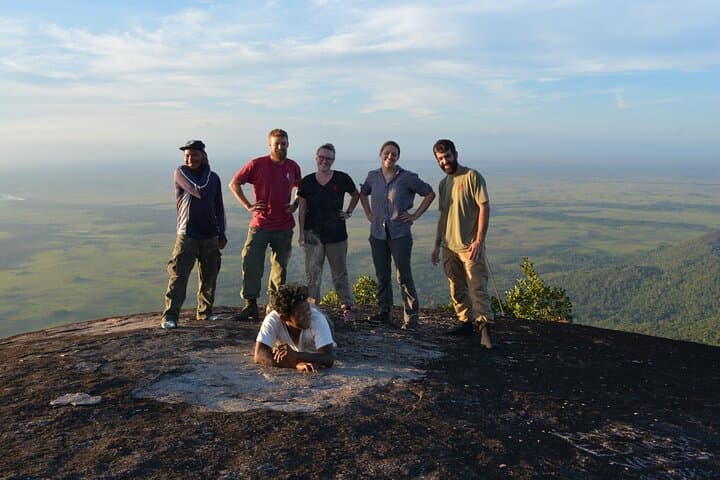


You step off a dusty track into a heat that smells of grass and wet earth; the Rupununi savannah opens like a wide, watchful plain and the Kanuku Mountains rise ahead—dark ridges cutting the horizon. Small villages mark the trailhead, and over three days the route climbs from tall grass through gallery forest into craggy ridgelines where the wind seems to push you onward.
You step off a dusty track into a heat that smells of grass and wet earth; the Rupununi savannah opens like a wide, watchful plain and the Kanuku Mountains rise ahead—dark ridges cutting the horizon. Small villages mark the trailhead, and over three days the route climbs from tall grass through gallery forest into craggy ridgelines where the wind seems to push you onward.
Geologically the Kanuku chain is an ancient escarpment of folded rock and sandstone, sculpted by rivers that carve the surrounding wetlands. The region is culturally rich: indigenous Wapishana and Makushi communities live at the mountain’s base and guides often share traditional knowledge of plants and animal signs. The mountains shelter one of South America’s last relatively undisturbed lowland wetland systems and are prized for endemic birds and jaguar habitat.
Expect mixed terrain—savannah tracks, humid forest trails, rooty switchbacks and rocky scrambles—with daily elevation gains that can be steep though not technical. Nights are spent in hammocks or simple camps; food is local and hearty. Wildlife encounters are common at dawn and dusk; your guide’s tracker’s eye is part of the experience.
Practical notes: carry durable boots, a reliable water system, insect protection and layered rain gear. Start hikes early to avoid midday heat, ration water for remote sections, and be prepared for sudden rain. Fitness should be high—this is a demanding, remote trek that rewards patience with sweeping wetland views and a genuine sense of wilderness.