THE ADVENTURE COLLECTIVE® · Independent discovery and booking for outdoor travel

Step into a quiet pocket of Sanjay Gandhi National Park to explore over 100 rock‑cut Buddhist caves carved from basalt. This guided half‑day tour pairs a short forest walk with archaeology, inscriptions and shaded stupas — ideal for a morning escape from Mumbai.
Step into a quiet pocket of Sanjay Gandhi National Park to explore over 100 rock‑cut Buddhist caves carved from basalt. This guided half‑day tour pairs a short forest walk with archaeology, inscriptions and shaded stupas — ideal for a morning escape from Mumbai.
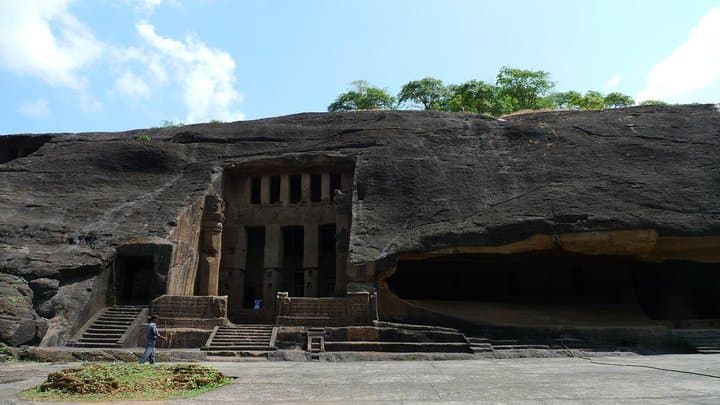
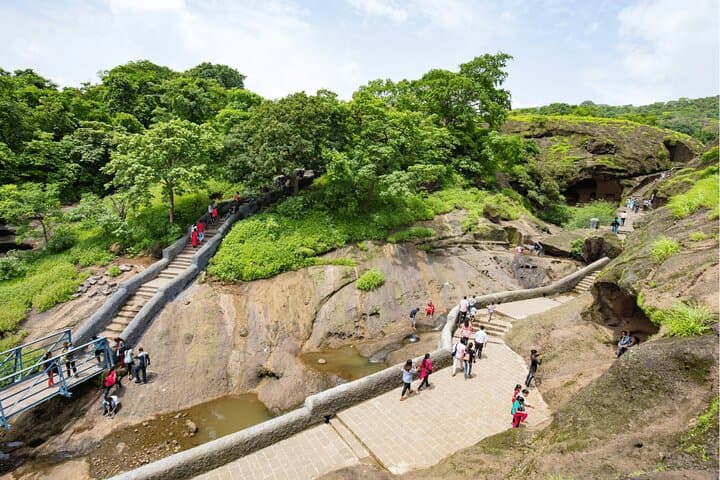
You climb out of the car and the city’s roar thins into a pocket of dry-leaved forest; sunlight slices through tall karanj and banyan, and the path angles upward toward a face of weathered basalt. Stones here keep time in horizontal bands — a readable geology that tells of ancient lava flows — and the first cave mouth is a shaded throat, cool and still.
Verified experiences and guided adventures in the surrounding area.
Operated by Yo Tours · Mumbai, Maharashtra
You climb out of the car and the city’s roar thins into a pocket of dry-leaved forest; sunlight slices through tall karanj and banyan, and the path angles upward toward a face of weathered basalt. Stones here keep time in horizontal bands — a readable geology that tells of ancient lava flows — and the first cave mouth is a shaded throat, cool and still.
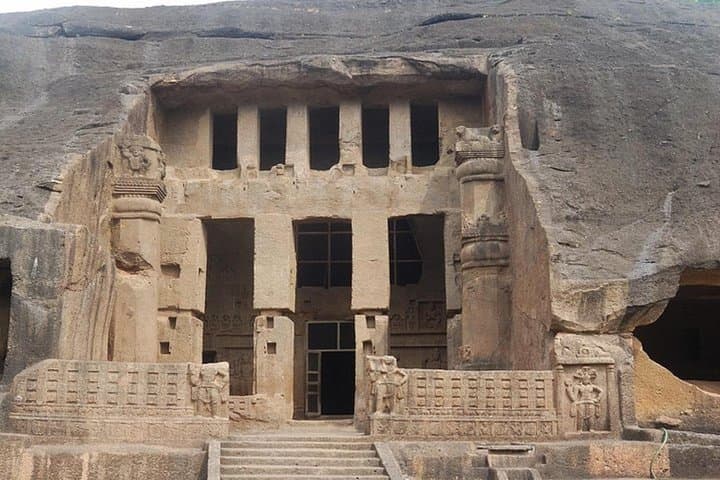
The Kanheri Caves complex, carved into the Sanjay Gandhi National Park basalt, dates from the 1st century BCE through the 10th century CE. Monastic cells, assembly halls supported by stout pillars and stupas reveal the practical rhythm of Buddhist life: study, meditation, and shelter. Inscriptions and reliefs map the shifting patronage and trade routes that once threaded this peninsula.
Culturally, the site bridges urban Mumbai and rural pilgrimage: you’ll hear guide stories about patron guilds, see votive marks at shrine ledges, and find water cisterns cut into rock — small engineering feats that sustained monastic life.
Practically, the route is a half‑day outing of short climbs and uneven stone steps. Wear grippy shoes and carry water; shade is variable and monkeys can be bold. Morning visits keep temperatures pleasant and light through the cave facades is best for photography. Park entry and cave admission policies vary — check before you go. The tour typically includes a local guide and vehicle transfers but not always formal site fees. Move deliberately on the carved thresholds, respect signage, and give wildlife its distance: the park is an active protected area. This is an accessible, historically rich walk that pairs urban convenience with a raw, geological stage.
easy.
5 hours.
Light walking with short climbs and uneven stone steps; suitable for most people who can manage stairs.
Admission is often not included; check with your operator ahead of time — you may need to pay standard Sanjay Gandhi National Park entry or parking fees at the gate.
Cave access involves steps and uneven surfaces; many areas are not wheelchair accessible and require moderate mobility to navigate safely.
This tour typically provides a trained storyteller/guide who speaks English and Hindi; confirm if you need another language at booking.
The tour may provide snacks and bottled water, but bringing personal snacks is fine — store them out of sight to avoid attracting monkeys.
Kanheri’s rock-cut complex served Buddhist monastic communities across centuries and reflects changing patronage from traders and local rulers between the 1st century BCE and 10th century CE.
Sanjay Gandhi National Park is a protected reserve; visitors should stick to trails, avoid feeding wildlife and carry out litter — the park balances heavy urban pressure with conservation efforts.
Yo Tours operates guided outdoor trips and adventures with an emphasis on safety, stewardship, and memorable experiences.
You climb out of the car and the city’s roar thins into a pocket of dry-leaved forest; sunlight slices through tall karanj and banyan, and the path angles upward toward a face of weathered basalt. Stones here keep time in horizontal bands — a readable geology that tells of ancient lava flows — and the first cave mouth is a shaded throat, cool and still.
You climb out of the car and the city’s roar thins into a pocket of dry-leaved forest; sunlight slices through tall karanj and banyan, and the path angles upward toward a face of weathered basalt. Stones here keep time in horizontal bands — a readable geology that tells of ancient lava flows — and the first cave mouth is a shaded throat, cool and still.
The Kanheri Caves complex, carved into the Sanjay Gandhi National Park basalt, dates from the 1st century BCE through the 10th century CE. Monastic cells, assembly halls supported by stout pillars and stupas reveal the practical rhythm of Buddhist life: study, meditation, and shelter. Inscriptions and reliefs map the shifting patronage and trade routes that once threaded this peninsula.
Culturally, the site bridges urban Mumbai and rural pilgrimage: you’ll hear guide stories about patron guilds, see votive marks at shrine ledges, and find water cisterns cut into rock — small engineering feats that sustained monastic life.
Practically, the route is a half‑day outing of short climbs and uneven stone steps. Wear grippy shoes and carry water; shade is variable and monkeys can be bold. Morning visits keep temperatures pleasant and light through the cave facades is best for photography. Park entry and cave admission policies vary — check before you go. The tour typically includes a local guide and vehicle transfers but not always formal site fees. Move deliberately on the carved thresholds, respect signage, and give wildlife its distance: the park is an active protected area. This is an accessible, historically rich walk that pairs urban convenience with a raw, geological stage.