THE ADVENTURE COLLECTIVE® · Independent discovery and booking for outdoor travel

A full-day archaeological and cultural tour through Kangra Valley that pairs the 8th-century Masroor rock-cut temple with the storied Kangra Fort and the devotional Vajreshwari Devi shrine. Ideal for history fans and travelers who want compact Himalayan culture in a single day.
A full-day archaeological and cultural tour through Kangra Valley that pairs the 8th-century Masroor rock-cut temple with the storied Kangra Fort and the devotional Vajreshwari Devi shrine. Ideal for history fans and travelers who want compact Himalayan culture in a single day.
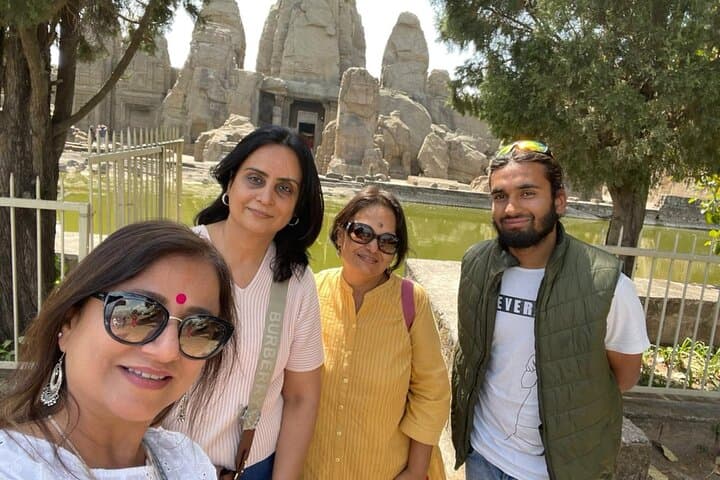
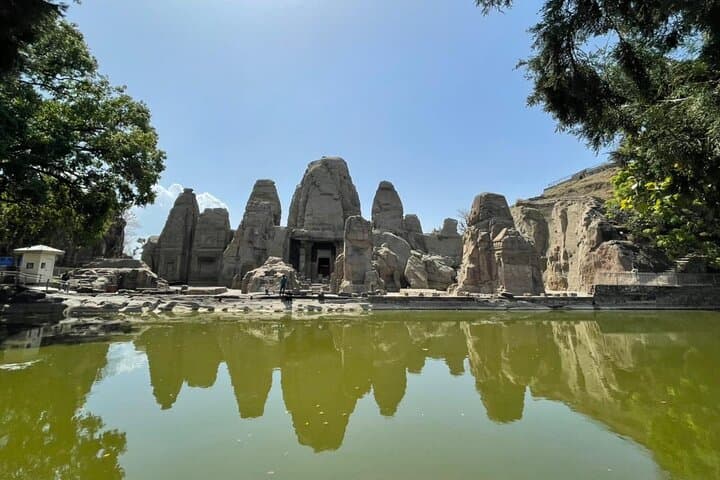
The morning light in the Kangra Valley slants across terraces and the Dhauladhar range, and your day begins with a steady, comfortable drive that peels you out of Dharamshala’s bustle and into older stones. Arrive first at the Masroor rock-cut temple: an 8th-century monolithic complex carved from a single slab, its façades catching the hillside wind as if the mountain itself were revealing a secret.
Verified experiences and guided adventures in the surrounding area.
Operated by Himalayan Adrenaline · Kangra, Himachal Pradesh
The morning light in the Kangra Valley slants across terraces and the Dhauladhar range, and your day begins with a steady, comfortable drive that peels you out of Dharamshala’s bustle and into older stones. Arrive first at the Masroor rock-cut temple: an 8th-century monolithic complex carved from a single slab, its façades catching the hillside wind as if the mountain itself were revealing a secret.
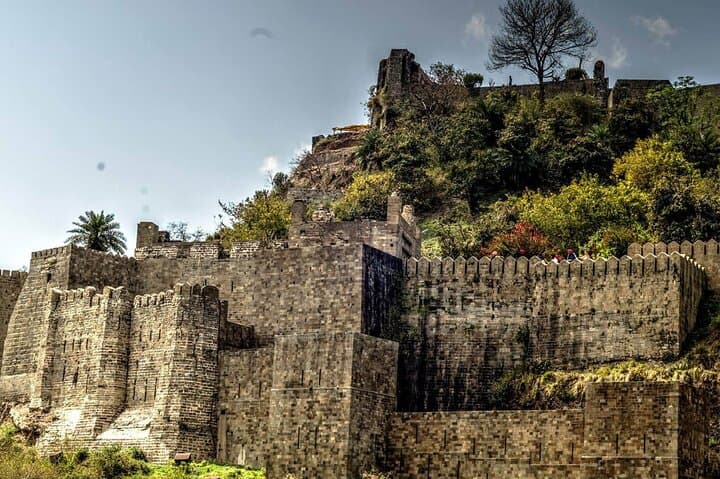
History sits heavy here. Kangra Fort holds layers of Rajput and Mughal encounters, earthquakes and reconstructions; its ramparts look out over a valley that fed ancient trade routes and devotional networks. Geologically, these monuments rest at the foothills of the Lesser Himalaya — folded shale and sandstone uplifted by the colliding plates — which makes the rock-cut work all the more remarkable in both skill and preservation.
Culturally, the day moves from archaeology into living devotion at the Vajreshwari (Kangra Devi) temple, where pilgrims and locals follow age-old offerings and rituals. Local crafts — miniature Kangra paintings and carved wood — are visible in markets and temple precincts.
Practical guidance: expect a full 8-hour day with 1–2 hours at each major stop and additional driving between sites; some short, uneven stone steps at temples and fort require steady shoes. Carry water, modest clothing for temple visits, sun protection, and a camera with extra battery. The tour is suitable for most fitness levels, runs year-round but best in spring and autumn, and benefits from an early start to avoid midday heat and crowds.
easy.
8 hours.
Suitable for most fitness levels; requires basic mobility for stairs and short walks
The tour runs about 8 hours with roughly 1–2 hours at each main site and driving time between locations; the pace is relaxed with time for photos and short walks.
Admission policies vary by site; this tour typically includes guided visits but not always entrance fees—confirm with the operator before booking.
Yes—it's rated easy and suitable for all fitness levels, though some sites have stairs that may be challenging for those with limited mobility.
Modest clothing that covers shoulders and knees is advised; bring a scarf to cover quickly if needed.
Kangra has been a strategic and cultural crossroads for centuries; Kangra Fort predates many modern regional states, and the Masroor complex reflects early medieval Himalayan temple sculpture.
The sites are sensitive to weathering and visitor impact; stick to marked paths, avoid touching fragile carvings, and support local guides who follow conservation practices.
Himalayan Adrenaline operates guided outdoor trips and adventures with an emphasis on safety, stewardship, and memorable experiences.

The morning light in the Kangra Valley slants across terraces and the Dhauladhar range, and your day begins with a steady, comfortable drive that peels you out of Dharamshala’s bustle and into older stones. Arrive first at the Masroor rock-cut temple: an 8th-century monolithic complex carved from a single slab, its façades catching the hillside wind as if the mountain itself were revealing a secret.
The morning light in the Kangra Valley slants across terraces and the Dhauladhar range, and your day begins with a steady, comfortable drive that peels you out of Dharamshala’s bustle and into older stones. Arrive first at the Masroor rock-cut temple: an 8th-century monolithic complex carved from a single slab, its façades catching the hillside wind as if the mountain itself were revealing a secret.
History sits heavy here. Kangra Fort holds layers of Rajput and Mughal encounters, earthquakes and reconstructions; its ramparts look out over a valley that fed ancient trade routes and devotional networks. Geologically, these monuments rest at the foothills of the Lesser Himalaya — folded shale and sandstone uplifted by the colliding plates — which makes the rock-cut work all the more remarkable in both skill and preservation.
Culturally, the day moves from archaeology into living devotion at the Vajreshwari (Kangra Devi) temple, where pilgrims and locals follow age-old offerings and rituals. Local crafts — miniature Kangra paintings and carved wood — are visible in markets and temple precincts.
Practical guidance: expect a full 8-hour day with 1–2 hours at each major stop and additional driving between sites; some short, uneven stone steps at temples and fort require steady shoes. Carry water, modest clothing for temple visits, sun protection, and a camera with extra battery. The tour is suitable for most fitness levels, runs year-round but best in spring and autumn, and benefits from an early start to avoid midday heat and crowds.