THE ADVENTURE COLLECTIVE® · Independent discovery and booking for outdoor travel

A demanding 17-day loop, the Kangchenjunga Circuit links South and North base camps with sustained alpine days, high passes and remote tea-house nights. This guide covers what to expect on trail, cultural touchpoints and practical prep for altitude and logistics.
A demanding 17-day loop, the Kangchenjunga Circuit links South and North base camps with sustained alpine days, high passes and remote tea-house nights. This guide covers what to expect on trail, cultural touchpoints and practical prep for altitude and logistics.
A thin morning light creeps over terraced tea gardens as the team's small plane slips toward Bhadrapur; by afternoon, dusty roads lead into the green folds of Taplejung and the first tea houses appear. The trail climbs steadily from Sekathum through rhododendron forests, past roaring streams that dare you to quicken your pace, and into high alpine moraine where glaciers frame the sky. Over 17 days the route threads both South and North approaches to Kangchenjunga, topping out with day excursions to Pangpema (about 5,140 m) and Ramche before looping back across Sele La.
Verified experiences and guided adventures in the surrounding area.
Operated by Bold Himalaya Treks and Travels Pvt Ltd · Taplejung, Province No. 1
A thin morning light creeps over terraced tea gardens as the team's small plane slips toward Bhadrapur; by afternoon, dusty roads lead into the green folds of Taplejung and the first tea houses appear. The trail climbs steadily from Sekathum through rhododendron forests, past roaring streams that dare you to quicken your pace, and into high alpine moraine where glaciers frame the sky. Over 17 days the route threads both South and North approaches to Kangchenjunga, topping out with day excursions to Pangpema (about 5,140 m) and Ramche before looping back across Sele La.
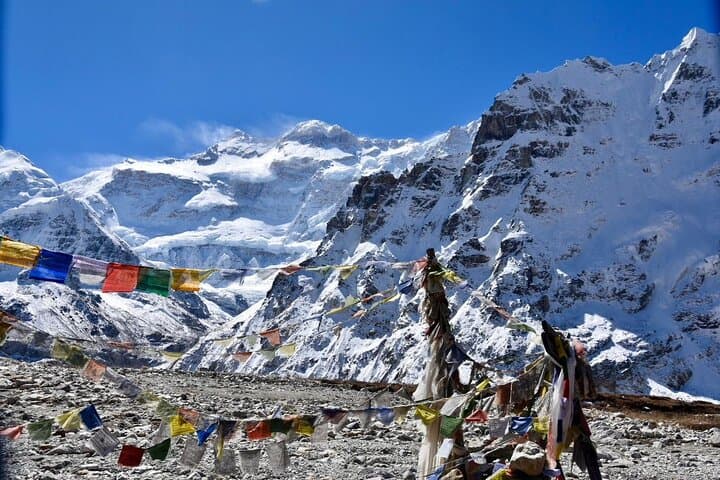
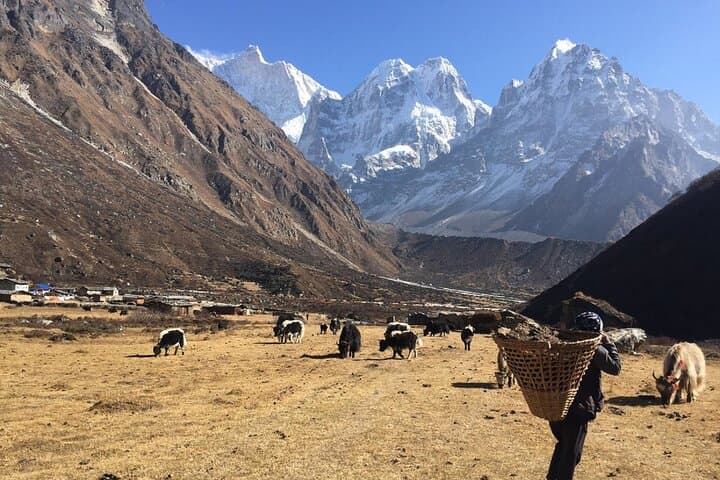
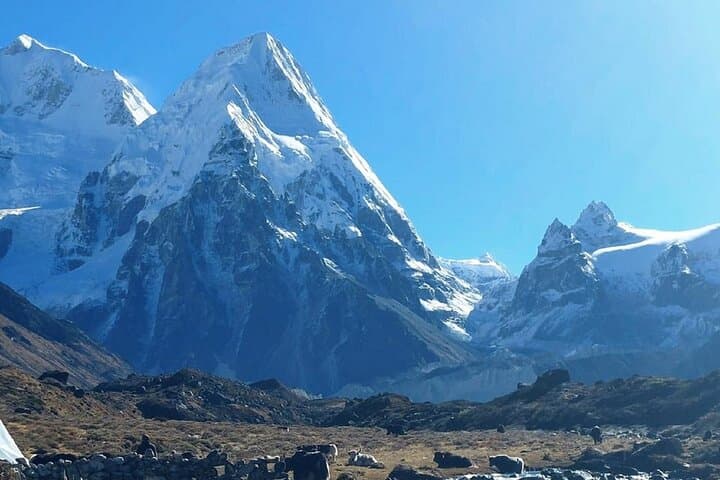
Geologically, Kangchenjunga sits on the Himalayan thrust zone: a collision of ancient plates that lifts raw granite and layered metamorphics into jagged ridgelines. Culturally the trek passes Limbu and Tibetan-influenced communities; prayer flags, mani stones and small chortens mark village thresholds and high passes. Tea houses and yak-grazed pastures keep the route human-scaled, while permits for the Kanchenjunga Conservation Area manage access.
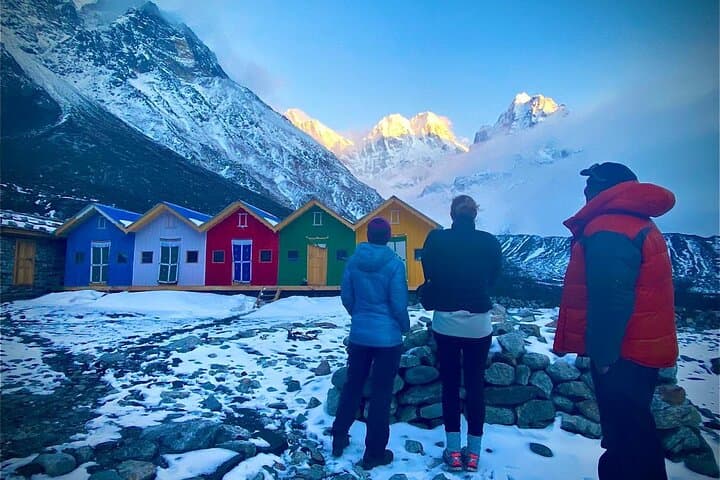
Practically, expect 4–8 hour days with steady elevation gains, an essential acclimatization day in Ghunsa and alternating nights in simple lodges. Key preparations: layered insulation, reliable waterproof boots, and disciplined hydration and pacing to handle thin air above 4,000 m. Travelers should budget time for weather delays, carry permit ID, and bring Nepali rupees for remote services. The trek rewards patience—wide mountain windows, striking glacier views, and a rhythm set by the trail and the people who live alongside it.
challenging.
16–17 days.
Good aerobic fitness and experience with multi-day mountain trekking; should be comfortable walking 5–8 hours with a daypack.
Excursions reach approximately 5,140 m at Pangpema (North Base Camp); routine sleeping elevations max near 4,785 m in Lhonak on some itineraries.
Prior multi-day trekking experience is highly recommended; the route is achievable for fit hikers who practice conservative pacing and acclimatization.
You need the Kanchenjunga Conservation Area permit and TIMS card; the operator typically arranges these but carry passport copies for registration.
Book Kathmandu–Bhadrapur (or return) flights early; weather or air schedules can change, so allow buffer days before international departures.
The Kanchenjunga region is historically linked to Sikkim and eastern Nepal trade routes; local Limbu and Tibetan-influenced communities maintain distinct languages and rituals along the valley.
Parts of the route lie inside Kanchenjunga Conservation Area; stick to trails, minimize campfire use and use local lodges to support community-based conservation.
Bold Himalaya Treks and Travels Pvt Ltd operates guided outdoor trips and adventures with an emphasis on safety, stewardship, and memorable experiences.
A thin morning light creeps over terraced tea gardens as the team's small plane slips toward Bhadrapur; by afternoon, dusty roads lead into the green folds of Taplejung and the first tea houses appear. The trail climbs steadily from Sekathum through rhododendron forests, past roaring streams that dare you to quicken your pace, and into high alpine moraine where glaciers frame the sky. Over 17 days the route threads both South and North approaches to Kangchenjunga, topping out with day excursions to Pangpema (about 5,140 m) and Ramche before looping back across Sele La.
A thin morning light creeps over terraced tea gardens as the team's small plane slips toward Bhadrapur; by afternoon, dusty roads lead into the green folds of Taplejung and the first tea houses appear. The trail climbs steadily from Sekathum through rhododendron forests, past roaring streams that dare you to quicken your pace, and into high alpine moraine where glaciers frame the sky. Over 17 days the route threads both South and North approaches to Kangchenjunga, topping out with day excursions to Pangpema (about 5,140 m) and Ramche before looping back across Sele La.
Geologically, Kangchenjunga sits on the Himalayan thrust zone: a collision of ancient plates that lifts raw granite and layered metamorphics into jagged ridgelines. Culturally the trek passes Limbu and Tibetan-influenced communities; prayer flags, mani stones and small chortens mark village thresholds and high passes. Tea houses and yak-grazed pastures keep the route human-scaled, while permits for the Kanchenjunga Conservation Area manage access.
Practically, expect 4–8 hour days with steady elevation gains, an essential acclimatization day in Ghunsa and alternating nights in simple lodges. Key preparations: layered insulation, reliable waterproof boots, and disciplined hydration and pacing to handle thin air above 4,000 m. Travelers should budget time for weather delays, carry permit ID, and bring Nepali rupees for remote services. The trek rewards patience—wide mountain windows, striking glacier views, and a rhythm set by the trail and the people who live alongside it.