THE ADVENTURE COLLECTIVE® · Independent discovery and booking for outdoor travel

Join a 90-minute guided walk on Kangaroo Island that turns dusk into discovery—koalas, tammar wallabies, echidnas and a vault of southern stars. A practical, wildlife-focused tour that balances steady walking with quiet observation.
Join a 90-minute guided walk on Kangaroo Island that turns dusk into discovery—koalas, tammar wallabies, echidnas and a vault of southern stars. A practical, wildlife-focused tour that balances steady walking with quiet observation.
A low sun slips behind coastal scrub as a guide gathers a small group in the carpark and leads them down a narrow track toward the sound of rustling eucalypts. On Kangaroo Island the day doesn’t end so much as change character—birds give way to rustling paws and the sky grows a deeper, clearer black that dares you to look up.
Verified experiences and guided adventures in the surrounding area.
Operated by Hanson Bay Wildlife Sanctuary · Kingscote, South Australia
A low sun slips behind coastal scrub as a guide gathers a small group in the carpark and leads them down a narrow track toward the sound of rustling eucalypts. On Kangaroo Island the day doesn’t end so much as change character—birds give way to rustling paws and the sky grows a deeper, clearer black that dares you to look up.
The island’s human story is short by Australian standards: European sealers and pastoralists arrived in the early 1800s, shaping sheep runs and small settlements across granite headlands and sandy bays. Geologically, KI is a patchwork of ancient bedrock and coastal sands carved by ocean and wind; that contrast creates the mosaic of habitats nocturnal animals favor—woodland gullies, coastal scrub, and saltmarsh edges.
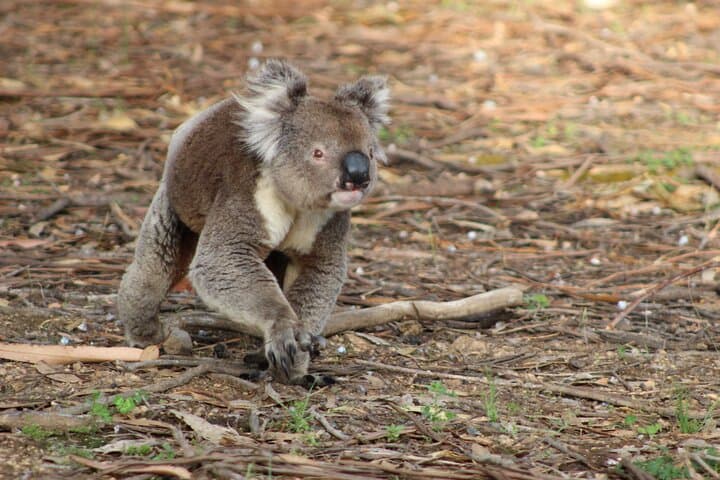
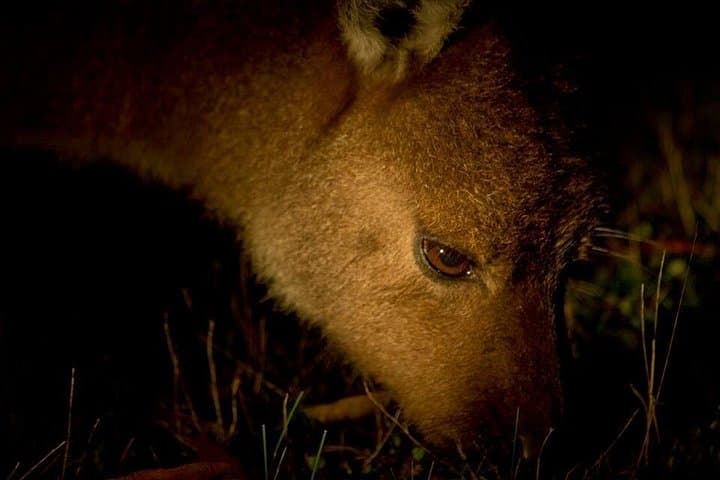
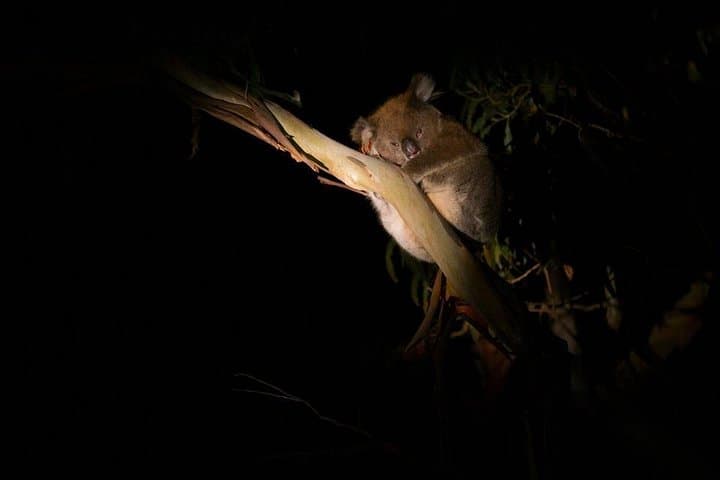
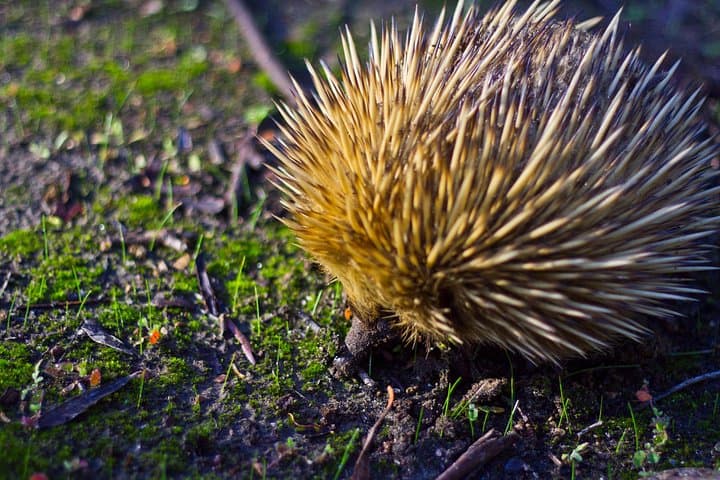
This guided 90-minute walk focuses on species active at dusk and night. Expect to see koalas feeding low in manna gums, tammar wallabies and kangaroos moving through grassy openings, and the odd echidna rooting at a track edge; bats and possums may flare past while your guide points out subtle signs—scats, droppings, and scratch marks. The guide also frames cultural context and local conservation efforts while interpreting animal behavior without disturbing habitat.
Practical notes: wear closed-toe shoes with good tread, bring a warm layer and a red-filter headlamp or torch for night vision, and plan for uneven, sometimes muddy tracks. Tours move slowly—bring binoculars, but keep voices low and phones on silent. This experience is as much about listening and patient watching as it is about ticking species off a list.
moderate.
1.5 hours.
Moderate fitness: able to stand and walk slowly over uneven ground for 90 minutes and follow guide instructions.
The guide meets groups at the designated carpark sign indicated on your booking confirmation—usually a short walk from the main road; allow time to arrive 10–15 minutes early.
Infants and small children in strollers are permitted, but the terrain can be uneven—parents should be prepared to carry small children if necessary.
Guides maximize sighting chances by choosing active habitats and moving quietly, but wildlife visibility cannot be guaranteed—behavior depends on season and weather.
Some meeting areas and short sections may be accessible, but the full guided route includes uneven ground; contact the operator ahead of time to discuss accessibility needs.
European sealers and pastoralists established settlements in the early 1800s, shaping much of the island’s agricultural landscape while the island’s long pre-contact human history is less documented.
Kangaroo Island relies on targeted pest control and habitat protection after recent fires; staying on trails and following guide instructions helps protect fragile vegetation and nesting sites.
Hanson Bay Wildlife Sanctuary operates guided outdoor trips and adventures with an emphasis on safety, stewardship, and memorable experiences.
A low sun slips behind coastal scrub as a guide gathers a small group in the carpark and leads them down a narrow track toward the sound of rustling eucalypts. On Kangaroo Island the day doesn’t end so much as change character—birds give way to rustling paws and the sky grows a deeper, clearer black that dares you to look up.
A low sun slips behind coastal scrub as a guide gathers a small group in the carpark and leads them down a narrow track toward the sound of rustling eucalypts. On Kangaroo Island the day doesn’t end so much as change character—birds give way to rustling paws and the sky grows a deeper, clearer black that dares you to look up.
The island’s human story is short by Australian standards: European sealers and pastoralists arrived in the early 1800s, shaping sheep runs and small settlements across granite headlands and sandy bays. Geologically, KI is a patchwork of ancient bedrock and coastal sands carved by ocean and wind; that contrast creates the mosaic of habitats nocturnal animals favor—woodland gullies, coastal scrub, and saltmarsh edges.
This guided 90-minute walk focuses on species active at dusk and night. Expect to see koalas feeding low in manna gums, tammar wallabies and kangaroos moving through grassy openings, and the odd echidna rooting at a track edge; bats and possums may flare past while your guide points out subtle signs—scats, droppings, and scratch marks. The guide also frames cultural context and local conservation efforts while interpreting animal behavior without disturbing habitat.
Practical notes: wear closed-toe shoes with good tread, bring a warm layer and a red-filter headlamp or torch for night vision, and plan for uneven, sometimes muddy tracks. Tours move slowly—bring binoculars, but keep voices low and phones on silent. This experience is as much about listening and patient watching as it is about ticking species off a list.