THE ADVENTURE COLLECTIVE® · Independent discovery and booking for outdoor travel

Spend an hour learning traditional Kandy woodcarving techniques and painting a freshly carved figurine to take home. This hands-on workshop pairs a short artisan demonstration with family-friendly painting—no prior skill required.
Spend an hour learning traditional Kandy woodcarving techniques and painting a freshly carved figurine to take home. This hands-on workshop pairs a short artisan demonstration with family-friendly painting—no prior skill required.
Stepping into a Kandy woodcarving workshop, the air smells faintly of sawdust and lacquer while a steady rhythm of chisels keeps time. Light from the street slips through the doorway and catches on half-finished elephants and Buddha figures stacked on low benches; an artisan greets visitors and begins a short demonstration that makes complex cuts look deliberate and methodical.
Verified experiences and guided adventures in the surrounding area.
Operated by Lakpura LLC · Kandy, Central Province
Stepping into a Kandy woodcarving workshop, the air smells faintly of sawdust and lacquer while a steady rhythm of chisels keeps time. Light from the street slips through the doorway and catches on half-finished elephants and Buddha figures stacked on low benches; an artisan greets visitors and begins a short demonstration that makes complex cuts look deliberate and methodical.
Woodcraft in Kandy traces to the Kandyan Kingdom and temple work around the Temple of the Tooth, where wood reliefs and furniture set standards for fine carving. Local hardwoods such as jackfruit and ebony are traditional choices; motifs commonly include seated Buddhas, elephants, and scenes of village life. The city’s craft families have kept techniques alive—tool sharpening, relief work, and layering paint—handed down through generations.
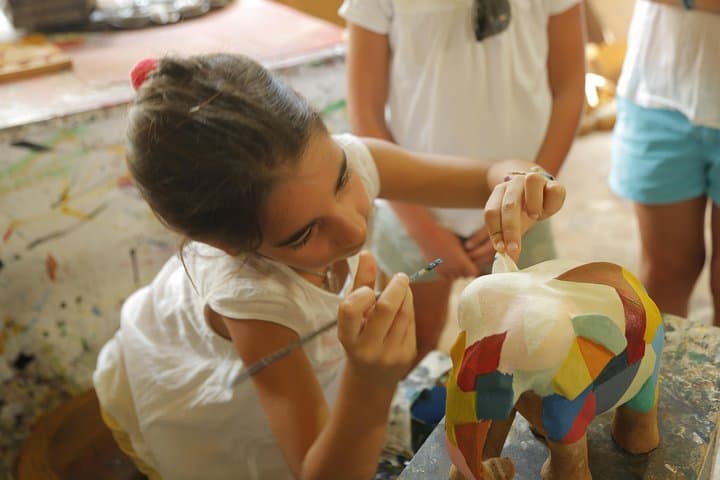
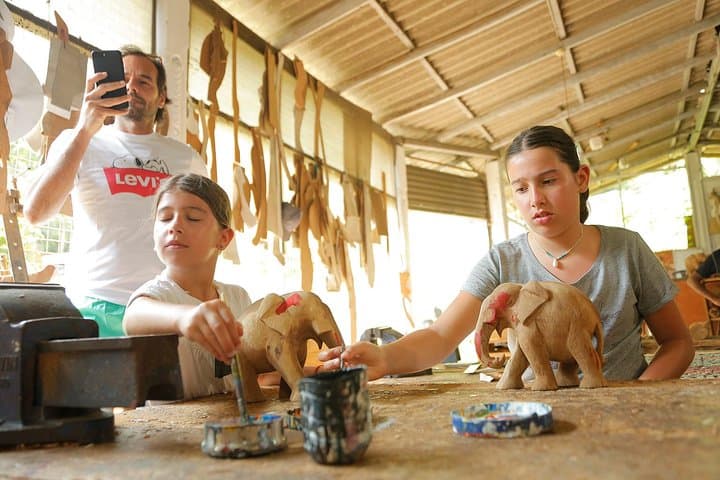
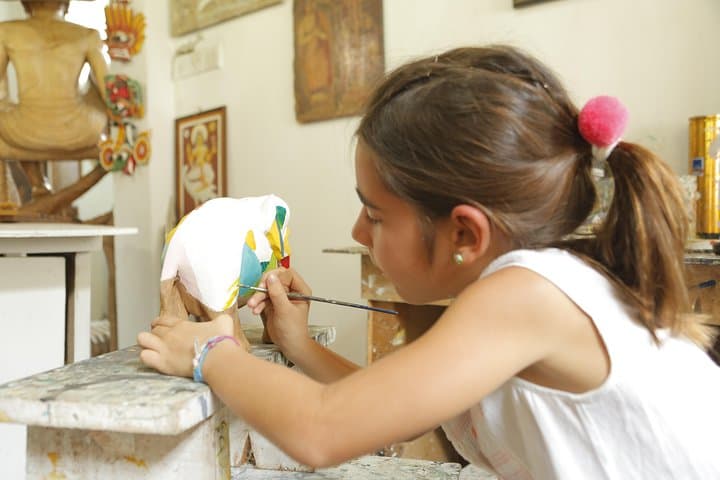
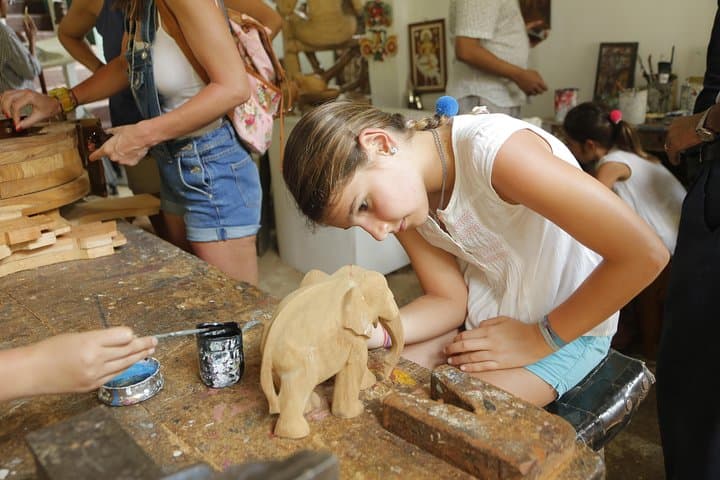
The workshop is compact and practical: a 60-minute, family-friendly session where an artisan demos carving, then participants paint a freshly carved figurine. Paints, brushes, and materials are provided and the finished piece is yours to take home. Public transport and tuk-tuks reach most studios near central Kandy; mornings are cooler and less crowded.
Plan for hands-on time, not a guided museum tour. Wear clothes you don’t mind staining, bring a small bill for tips, and allow an hour for the session. The experience is tactile and approachable—perfect for travelers interested in craft traditions and a close-up look at how everyday Sri Lankan woodworking still shapes the city’s visual identity.
easy.
1 hour.
No special fitness required; suitable for most ages and mobility levels
The session lasts approximately 60 minutes: a short carving demonstration followed by painting and finishing your figurine.
Yes—paints, brushes, and the pre-carved figurine are supplied; you take your painted piece home.
Yes; it’s family-friendly. Children should be supervised during demonstrations involving sharp tools.
No prior skill is required—the workshop is introductory and intended for beginners and families.
Wood carving in Kandy has links to the Kandyan court and temple commissions; many techniques were preserved within artisan families tied to temple workshops.
Artisans increasingly source sustainable local woods and use water-based paints when possible; buyers can ask about wood types and sourcing to support sustainable craft practices.
Lakpura LLC operates guided outdoor trips and adventures with an emphasis on safety, stewardship, and memorable experiences.
Stepping into a Kandy woodcarving workshop, the air smells faintly of sawdust and lacquer while a steady rhythm of chisels keeps time. Light from the street slips through the doorway and catches on half-finished elephants and Buddha figures stacked on low benches; an artisan greets visitors and begins a short demonstration that makes complex cuts look deliberate and methodical.
Stepping into a Kandy woodcarving workshop, the air smells faintly of sawdust and lacquer while a steady rhythm of chisels keeps time. Light from the street slips through the doorway and catches on half-finished elephants and Buddha figures stacked on low benches; an artisan greets visitors and begins a short demonstration that makes complex cuts look deliberate and methodical.
Woodcraft in Kandy traces to the Kandyan Kingdom and temple work around the Temple of the Tooth, where wood reliefs and furniture set standards for fine carving. Local hardwoods such as jackfruit and ebony are traditional choices; motifs commonly include seated Buddhas, elephants, and scenes of village life. The city’s craft families have kept techniques alive—tool sharpening, relief work, and layering paint—handed down through generations.
The workshop is compact and practical: a 60-minute, family-friendly session where an artisan demos carving, then participants paint a freshly carved figurine. Paints, brushes, and materials are provided and the finished piece is yours to take home. Public transport and tuk-tuks reach most studios near central Kandy; mornings are cooler and less crowded.
Plan for hands-on time, not a guided museum tour. Wear clothes you don’t mind staining, bring a small bill for tips, and allow an hour for the session. The experience is tactile and approachable—perfect for travelers interested in craft traditions and a close-up look at how everyday Sri Lankan woodworking still shapes the city’s visual identity.