THE ADVENTURE COLLECTIVE® · Independent discovery and booking for outdoor travel

A relaxed private transfer that turns a straightforward drive into a cultural corridor: explore Dambulla’s cave shrines, an Ayurvedic herbal garden and Matale’s Sri Muththumari Amman Kovil en route to Kandy. Comfortable vehicle, included entry fees and local insight make for an efficient stop‑and‑see day.
A relaxed private transfer that turns a straightforward drive into a cultural corridor: explore Dambulla’s cave shrines, an Ayurvedic herbal garden and Matale’s Sri Muththumari Amman Kovil en route to Kandy. Comfortable vehicle, included entry fees and local insight make for an efficient stop‑and‑see day.
You slide into an air‑conditioned vehicle as the road unfurls through dry‑zone countryside — paddy edges, limestone outcrops and roadside spice stalls passing like frames in a travel film. The driver steers toward Dambulla, where a low rocky ridge holds caves that stare out over the plain like an ancient watch.
Verified experiences and guided adventures in the surrounding area.
Operated by Sigiritrip Tours · Kandy, Central Province
You slide into an air‑conditioned vehicle as the road unfurls through dry‑zone countryside — paddy edges, limestone outcrops and roadside spice stalls passing like frames in a travel film. The driver steers toward Dambulla, where a low rocky ridge holds caves that stare out over the plain like an ancient watch.
Dambulla Royal Cave Temple is a working Buddhist complex whose painted chambers and reclining Buddhas date back centuries; murals layer over earlier religious activity that links the site to Sri Lanka’s Anuradhapura and Polonnaruwa periods. Geologically, the caves occupy a defiant basalt outcrop carved by weathering and human hands, and reaching them requires a short climb of stone steps that rewards visitors with panoramic views of the surrounding plain.
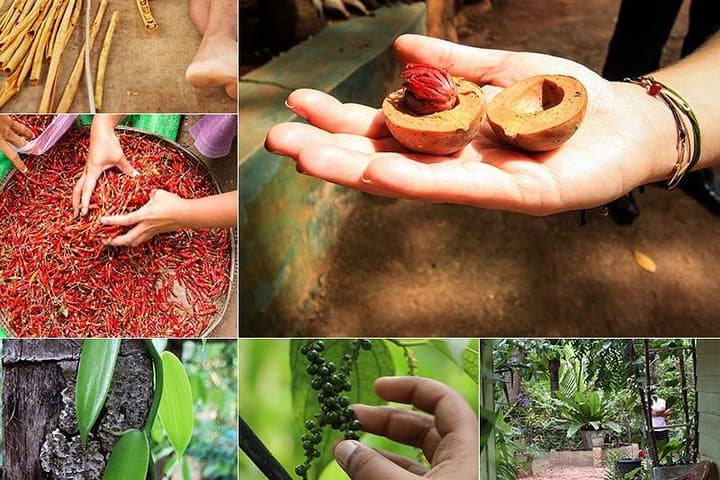
The route threads through Matale’s spice and herbal gardens — cultivated plots where traditional Ayurvedic plants are grown for medicine and cuisine — and pauses at Sri Muththumari Amman Kovil, a colorful Hindu temple notable for its sculpted gopuram and local devotional life.
Practically: the transfer covers roughly 70–100 km depending on your pickup (Sigiriya, Dambulla or Habarana) and takes about 3–5 hours with stops. Expect dozens of stone steps at the caves, mandatory shoe removal and modest temple dress codes (shoulders and knees covered). The operator provides bottled water, onboard Wi‑Fi and handles entry fees for listed sites. Start early to avoid midday heat and Kandy traffic, keep a light daypack for layers and camera gear, and respect both temple protocols and garden cultivation practices — the plants here are working crops, not just photo props.
easy.
3–5 hours.
Light activity; able to walk short stone stairways and stand during temple visits.
Yes—this service lists entry fees to Dambulla Royal Cave Temple and Sri Muththumari Amman Kovil as included in the transfer package.
The operator notes wheelchair‑accessible transportation options; confirm specific needs when booking so they can prepare ramps or space.
Yes—the itinerary includes a stop at an Ayurvedic herbal garden for a short walk and explanation of local plants; time on site is brief but informative.
Pickups are available from hotels in Sigiriya, Dambulla or Habarana and drop‑offs are in Kandy (hotel or another address within the city). Confirm exact pickup location at booking.
Dambulla is a UNESCO World Heritage site with cave paintings and Buddha statues accumulated over more than two millennia; Matale’s temples reflect the island’s intertwined Buddhist and Hindu traditions.
Tourist sites manage visitor flows to protect rock art and cultivated herbal plots—avoid touching murals, stay on paths and support gardens that use sustainable cultivation practices.
Sigiritrip Tours operates guided outdoor trips and adventures with an emphasis on safety, stewardship, and memorable experiences.


You slide into an air‑conditioned vehicle as the road unfurls through dry‑zone countryside — paddy edges, limestone outcrops and roadside spice stalls passing like frames in a travel film. The driver steers toward Dambulla, where a low rocky ridge holds caves that stare out over the plain like an ancient watch.
You slide into an air‑conditioned vehicle as the road unfurls through dry‑zone countryside — paddy edges, limestone outcrops and roadside spice stalls passing like frames in a travel film. The driver steers toward Dambulla, where a low rocky ridge holds caves that stare out over the plain like an ancient watch.
Dambulla Royal Cave Temple is a working Buddhist complex whose painted chambers and reclining Buddhas date back centuries; murals layer over earlier religious activity that links the site to Sri Lanka’s Anuradhapura and Polonnaruwa periods. Geologically, the caves occupy a defiant basalt outcrop carved by weathering and human hands, and reaching them requires a short climb of stone steps that rewards visitors with panoramic views of the surrounding plain.
The route threads through Matale’s spice and herbal gardens — cultivated plots where traditional Ayurvedic plants are grown for medicine and cuisine — and pauses at Sri Muththumari Amman Kovil, a colorful Hindu temple notable for its sculpted gopuram and local devotional life.
Practically: the transfer covers roughly 70–100 km depending on your pickup (Sigiriya, Dambulla or Habarana) and takes about 3–5 hours with stops. Expect dozens of stone steps at the caves, mandatory shoe removal and modest temple dress codes (shoulders and knees covered). The operator provides bottled water, onboard Wi‑Fi and handles entry fees for listed sites. Start early to avoid midday heat and Kandy traffic, keep a light daypack for layers and camera gear, and respect both temple protocols and garden cultivation practices — the plants here are working crops, not just photo props.