THE ADVENTURE COLLECTIVE® · Independent discovery and booking for outdoor travel

A full-day private drive from Kandy through Dambulla’s cave temples to the iconic Lion Rock of Sigiriya, finished with a visit to a working spice garden. Expect steep stair sections, ancient frescoes, and panoramic summit views.
A full-day private drive from Kandy through Dambulla’s cave temples to the iconic Lion Rock of Sigiriya, finished with a visit to a working spice garden. Expect steep stair sections, ancient frescoes, and panoramic summit views.
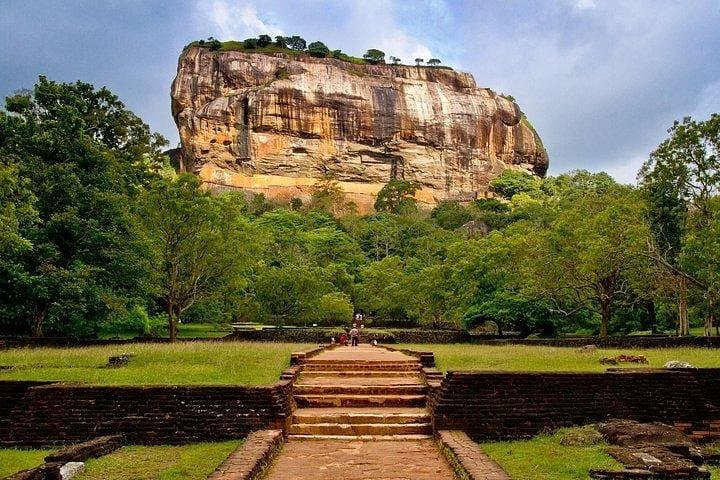
The bus slides out of Kandy before dawn, headlights cutting across terraces of tea and mist-slick hills. By midmorning the foothills open to a different light: the dry plains of the Cultural Triangle, where a solitary rock rises like an island — Sigiriya’s Lion Rock — daring you to climb.
Verified experiences and guided adventures in the surrounding area.
Operated by Trusted Travel and Tours Sri Lanka · Sigiriya, Central Province
The bus slides out of Kandy before dawn, headlights cutting across terraces of tea and mist-slick hills. By midmorning the foothills open to a different light: the dry plains of the Cultural Triangle, where a solitary rock rises like an island — Sigiriya’s Lion Rock — daring you to climb.
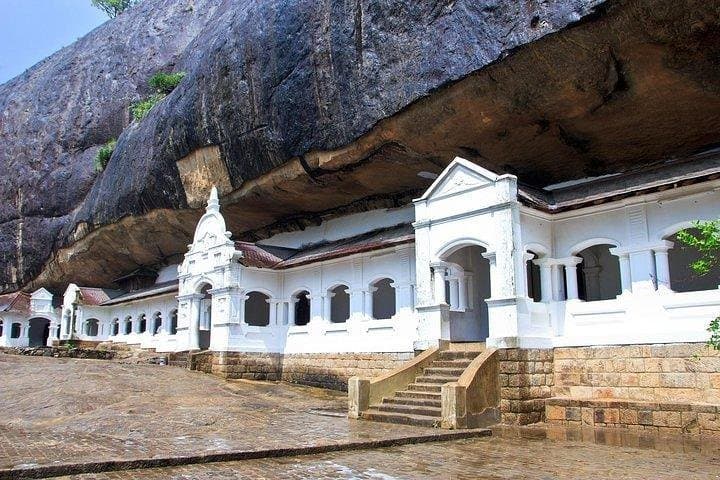
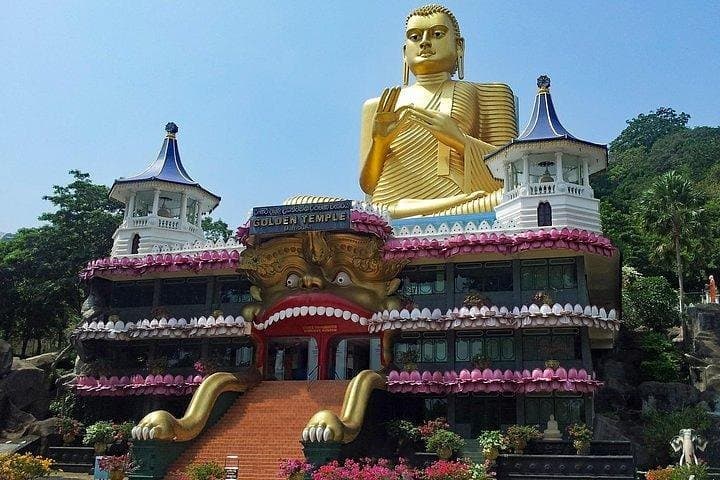
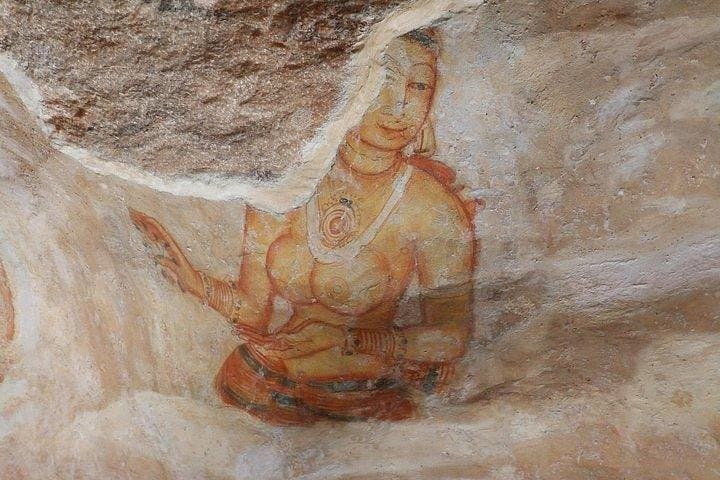
Start at Dambulla, where the cave complex announces itself in cool shade. Stepping into carved caverns, you feel the hush of centuries: rows of reclining and seated Buddha statues, ochre frescoes on low ceilings, and incense that seems to slow time. The rock here is older than the stories; these caves have been a pilgrimage site since at least the first century BCE, their painted surfaces repaired and repainted by generations.
An hour’s drive delivers you to Sigiriya, the flattened summit of a 200-meter-high volcanic plug King Kasyapa transformed into a 5th-century fortified palace. The climb alternates duck-under rock galleries, iron stairways bolted to sheer walls, and terraces with crumbling foundations where royal gardens once lay. The ascent asks for attention — steep steps and exposed sections — but the reward is panoramic plains, distant reservoirs, and the red earth of the island that once supplied spices to the world.
Between temples and terraces, the tour pulls you into Matale’s spice gardens. Cinnamon bark, cardamom pods, pepper vines and nutmeg trees are arranged like a working library of flavor; vendors explain drying, roasting, and how these crops shaped Sri Lanka’s trade and colonial history.
Practicalities blend with history on this full-day private tour. The operator provides air-conditioned transport and hotel pickup in Kandy, but admissions to sites are typically not included and must be paid on arrival. Wear grippy shoes for metal stair sections at Sigiriya, bring water and sun protection, and allow 30–40 minutes to savor each site rather than rushing through the photo ops.
Culture is visible in small moments: a monk walking the cave temple’s threshold, farmers tending rice paddies below the rock, and stallholders demonstrating spice uses. The landscape is resilient but vulnerable — follow marked paths, avoid touching frescoes, and support guides who explain conservation efforts.
If you’re planning, aim for early starts to avoid the heat and midday crowds, and budget time for a relaxed lunch of kottu or rice and curry at a local eatery. For families, the private format lets guides adjust pace. For photographers, morning and late-afternoon light coax the best textures from rock and frescoes. This is a day that pairs physical effort with layers of history — and the kind of sensory detail that will linger long after the climb is over.
moderate.
8 hours (full day).
Moderate fitness: able to handle several hundred steps, short steep sections, and a few hours on your feet.
No; admissions to Dambulla Cave Temple and Sigiriya are typically not included. Pay on arrival at each site — bring local currency or a card where accepted.
Expect several hundred steep steps and metal stair sections; the climb is short but sustained and suitable for those comfortable with stair climbing.
Lunch is usually not included; the itinerary allows for a stop at a local restaurant where you can sample Sri Lankan dishes (vegetarian options available).
Yes, but consider mobility: the climb can be challenging for very young children or those with mobility issues. Private format allows pacing adjustments.
Guides commonly speak English and often Sinhala; ask the supplier if you need another language to be accommodated.
Yes — the tour offers drop-off or return pickup options; confirm your preferred end point when booking.
Sigiriya was converted into a fortified royal palace by King Kasyapa in the 5th century CE; Dambulla’s cave temples hold Buddhist art and statues dating back to at least the 1st century BCE.
High visitor numbers stress fragile frescoes and trails — stick to paths, avoid touching painted surfaces, and support local guides who promote sustainable site management.
Trusted Travel and Tours Sri Lanka operates guided outdoor trips and adventures with an emphasis on safety, stewardship, and memorable experiences.
The bus slides out of Kandy before dawn, headlights cutting across terraces of tea and mist-slick hills. By midmorning the foothills open to a different light: the dry plains of the Cultural Triangle, where a solitary rock rises like an island — Sigiriya’s Lion Rock — daring you to climb.
The bus slides out of Kandy before dawn, headlights cutting across terraces of tea and mist-slick hills. By midmorning the foothills open to a different light: the dry plains of the Cultural Triangle, where a solitary rock rises like an island — Sigiriya’s Lion Rock — daring you to climb.
Start at Dambulla, where the cave complex announces itself in cool shade. Stepping into carved caverns, you feel the hush of centuries: rows of reclining and seated Buddha statues, ochre frescoes on low ceilings, and incense that seems to slow time. The rock here is older than the stories; these caves have been a pilgrimage site since at least the first century BCE, their painted surfaces repaired and repainted by generations.
An hour’s drive delivers you to Sigiriya, the flattened summit of a 200-meter-high volcanic plug King Kasyapa transformed into a 5th-century fortified palace. The climb alternates duck-under rock galleries, iron stairways bolted to sheer walls, and terraces with crumbling foundations where royal gardens once lay. The ascent asks for attention — steep steps and exposed sections — but the reward is panoramic plains, distant reservoirs, and the red earth of the island that once supplied spices to the world.
Between temples and terraces, the tour pulls you into Matale’s spice gardens. Cinnamon bark, cardamom pods, pepper vines and nutmeg trees are arranged like a working library of flavor; vendors explain drying, roasting, and how these crops shaped Sri Lanka’s trade and colonial history.
Practicalities blend with history on this full-day private tour. The operator provides air-conditioned transport and hotel pickup in Kandy, but admissions to sites are typically not included and must be paid on arrival. Wear grippy shoes for metal stair sections at Sigiriya, bring water and sun protection, and allow 30–40 minutes to savor each site rather than rushing through the photo ops.
Culture is visible in small moments: a monk walking the cave temple’s threshold, farmers tending rice paddies below the rock, and stallholders demonstrating spice uses. The landscape is resilient but vulnerable — follow marked paths, avoid touching frescoes, and support guides who explain conservation efforts.
If you’re planning, aim for early starts to avoid the heat and midday crowds, and budget time for a relaxed lunch of kottu or rice and curry at a local eatery. For families, the private format lets guides adjust pace. For photographers, morning and late-afternoon light coax the best textures from rock and frescoes. This is a day that pairs physical effort with layers of history — and the kind of sensory detail that will linger long after the climb is over.