THE ADVENTURE COLLECTIVE® · Independent discovery and booking for outdoor travel

Spend a day in Sri Lanka’s hill country learning hand-plucking techniques, touring a working tea factory, and visiting Ramboda Waterfall. This private full-day tour from Kandy blends hands-on experience with cultural and natural highlights.
Spend a day in Sri Lanka’s hill country learning hand-plucking techniques, touring a working tea factory, and visiting Ramboda Waterfall. This private full-day tour from Kandy blends hands-on experience with cultural and natural highlights.
The morning air on the high road from Kandy turns cool and sharp as you climb into Sri Lanka’s central highlands. Tea bushes march over the slopes, bright green against a low cloud, and the rhythmic snip of clippers becomes the day’s soundtrack. On this full-day outing you join estate workers at the bushes, learn hand-plucking techniques, and follow leaves into the humming machinery of a working tea factory.
Verified experiences and guided adventures in the surrounding area.
Operated by Classical Lanka Tours · Kandy, Central Province
The morning air on the high road from Kandy turns cool and sharp as you climb into Sri Lanka’s central highlands. Tea bushes march over the slopes, bright green against a low cloud, and the rhythmic snip of clippers becomes the day’s soundtrack. On this full-day outing you join estate workers at the bushes, learn hand-plucking techniques, and follow leaves into the humming machinery of a working tea factory.
The story here is colonial and industrial: 19th-century British planters drove the island’s shift from coffee to tea after crop failure, shaping the hills into the organized terraces you see today. Geologically the region is ancient crystalline rock—eroded plateaus and steep ravines that feed streams and waterfalls. Culturally, tea is daily ritual and livelihood; many estate communities are tight-knit, with generations tied to the land and the factory schedules.
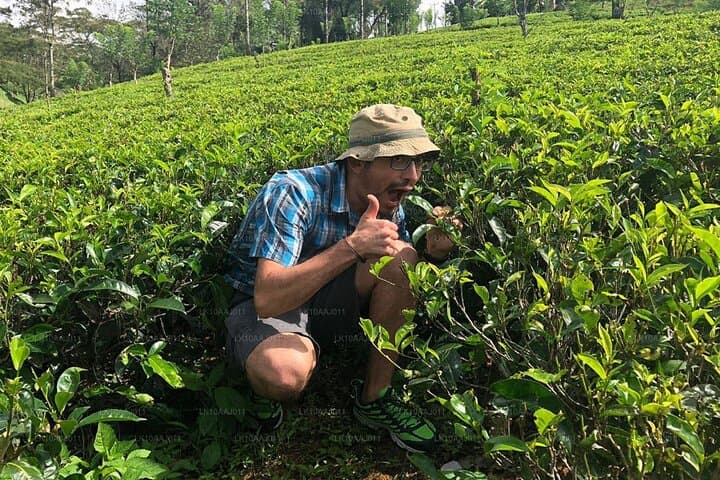
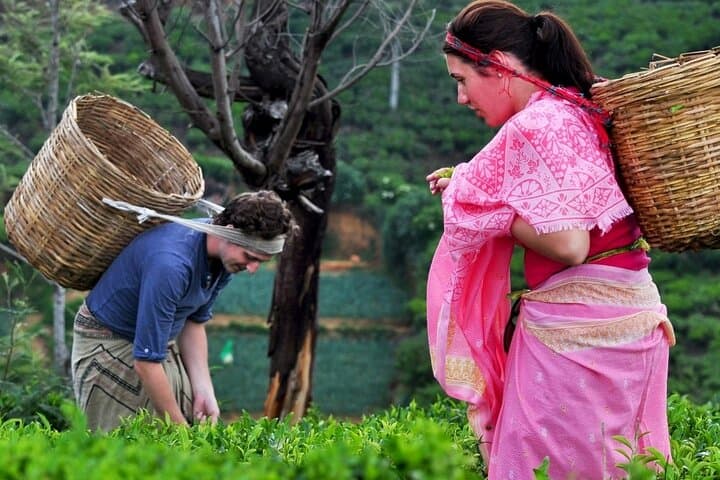
Expect two-way learning: you’ll try plucking the two leaves and a bud, then stand on the factory floor and watch withering, rolling, oxidizing and firing transform fresh leaf into black, green or white tea. The itinerary often includes Ramboda Falls—an arresting 109-meter drop—offering a contrast of machine rhythm and wild water.
Practicalities: the tour departs Kandy and runs 7–8 hours with private transport, light walking on uneven plantation paths and factory stairs, and chances to buy fresh loose-leaf tea. Wear closed-toe shoes, dress in layers for wind and mist, carry cash for small purchases, and respect estate workers’ space during demonstrations.
easy.
7–8 hours.
Suitable for most fitness levels; requires standing, short walks on uneven ground, and climbing factory stairs.
Expect short walks across plantation fields (10–30 minutes at a time) and some stair climbing inside the factory; the tour is designed to be easy-paced.
Yes—children are welcome, but they should be supervised around machinery and asked to follow guidance when near workers.
Yes; most factories and estate shops sell loose-leaf teas and packaged blends—bring cash for small purchases.
The activity is generally accessible but includes uneven ground and stairs; contact the operator ahead of time to arrange assistance or alternatives.
Tea replaced coffee plantations in the late 19th century after a blight; British planters transformed the central highlands into the Ceylon tea region still active today.
Many estates now follow sustainable practices and certification schemes; minimize plastic waste by buying loose-leaf tea and stay on marked paths to protect tender new growth.
Classical Lanka Tours operates guided outdoor trips and adventures with an emphasis on safety, stewardship, and memorable experiences.
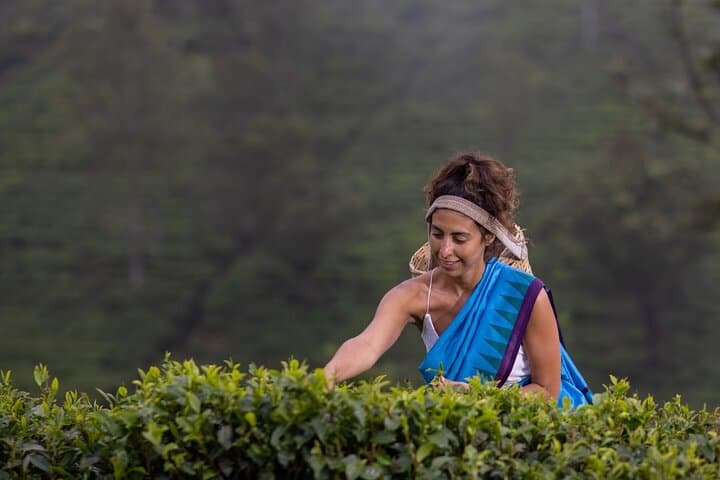
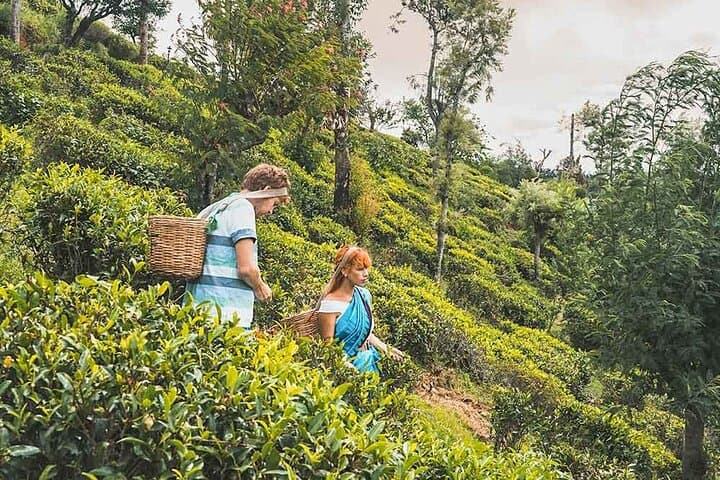
The morning air on the high road from Kandy turns cool and sharp as you climb into Sri Lanka’s central highlands. Tea bushes march over the slopes, bright green against a low cloud, and the rhythmic snip of clippers becomes the day’s soundtrack. On this full-day outing you join estate workers at the bushes, learn hand-plucking techniques, and follow leaves into the humming machinery of a working tea factory.
The morning air on the high road from Kandy turns cool and sharp as you climb into Sri Lanka’s central highlands. Tea bushes march over the slopes, bright green against a low cloud, and the rhythmic snip of clippers becomes the day’s soundtrack. On this full-day outing you join estate workers at the bushes, learn hand-plucking techniques, and follow leaves into the humming machinery of a working tea factory.
The story here is colonial and industrial: 19th-century British planters drove the island’s shift from coffee to tea after crop failure, shaping the hills into the organized terraces you see today. Geologically the region is ancient crystalline rock—eroded plateaus and steep ravines that feed streams and waterfalls. Culturally, tea is daily ritual and livelihood; many estate communities are tight-knit, with generations tied to the land and the factory schedules.
Expect two-way learning: you’ll try plucking the two leaves and a bud, then stand on the factory floor and watch withering, rolling, oxidizing and firing transform fresh leaf into black, green or white tea. The itinerary often includes Ramboda Falls—an arresting 109-meter drop—offering a contrast of machine rhythm and wild water.
Practicalities: the tour departs Kandy and runs 7–8 hours with private transport, light walking on uneven plantation paths and factory stairs, and chances to buy fresh loose-leaf tea. Wear closed-toe shoes, dress in layers for wind and mist, carry cash for small purchases, and respect estate workers’ space during demonstrations.