THE ADVENTURE COLLECTIVE® · Independent discovery and booking for outdoor travel

Visit Kandy Central Market with a local host, buy fresh ingredients, then learn to cook Sri Lankan curries in a private family kitchen. A market-to-table experience with private transfers and personalized instruction.
Visit Kandy Central Market with a local host, buy fresh ingredients, then learn to cook Sri Lankan curries in a private family kitchen. A market-to-table experience with private transfers and personalized instruction.
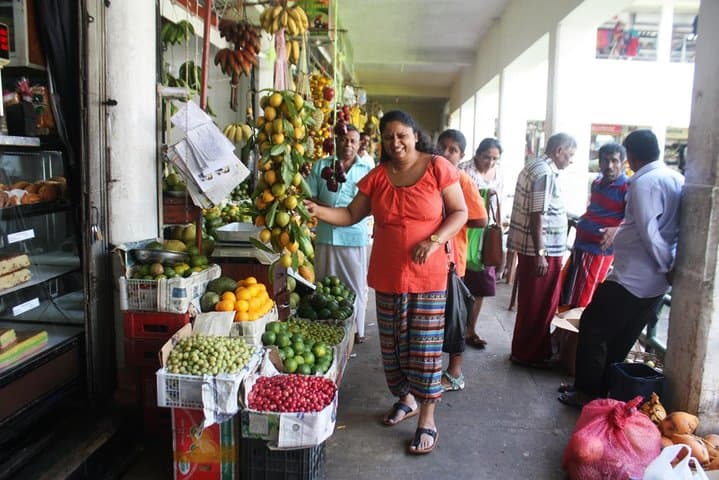
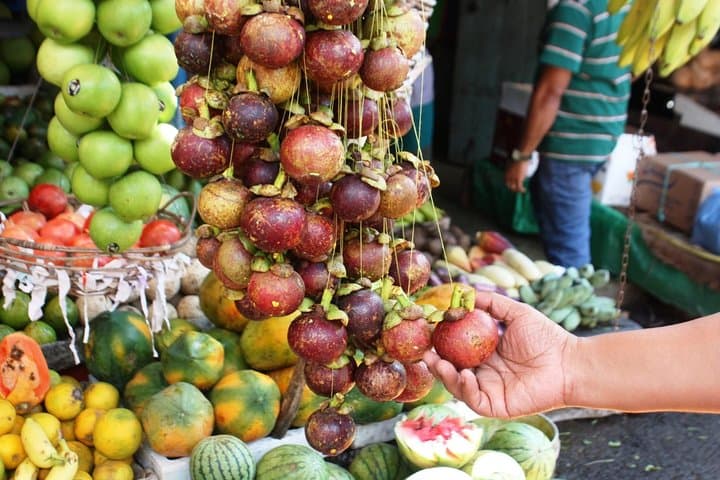
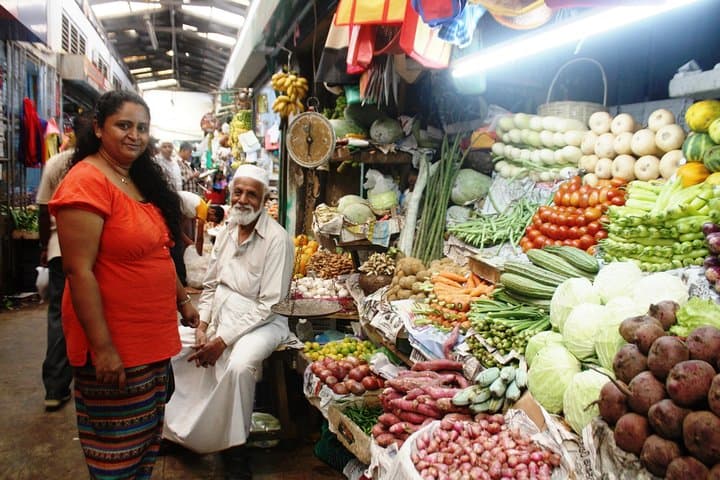
The two-storey Kandy Central Market hums with a choreography of hands—vendors weighing mounds of chilies, fishmongers calling out silver catches, women selecting pandan and curry leaves. Guests move through aisles of color and scent, learning local names for produce and the role each spice plays in a Sri Lankan rice-and-curry plate.
Verified experiences and guided adventures in the surrounding area.
Operated by Traveling Spoon · Kandy, Central Province
The two-storey Kandy Central Market hums with a choreography of hands—vendors weighing mounds of chilies, fishmongers calling out silver catches, women selecting pandan and curry leaves. Guests move through aisles of color and scent, learning local names for produce and the role each spice plays in a Sri Lankan rice-and-curry plate.
Kandy sits in Sri Lanka’s central highlands, long the political heart of the Kandyan Kingdom; nearby Gadaladeniya temple reflects 14th-century stonework and a living cultural thread. Geologically the region is older than the coastline—rounded hills and tea-covered slopes rise from red soils that have fed generations of cultivation. Food here carries that history: Portuguese and Dutch trade left flavor footprints, while Tamil and Sinhalese techniques shaped the current palate.
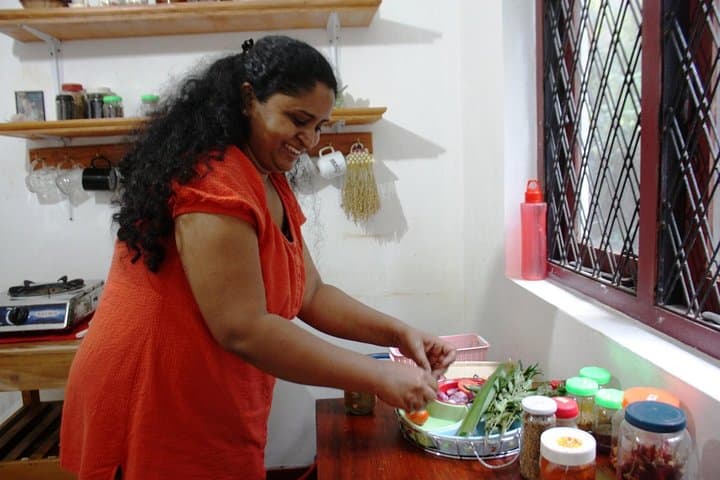
The experience shifts from market chaos to a family's modest kitchen 30 minutes away. Buddhima and her family welcome you to a rustic home where curries are layered, tempering is theatrical, and a small stove becomes a classroom. Expect hands-on instruction—grinding, tempering, balancing coconut, chili and lime—and a shared meal that tastes of the place.
Practical notes: the market tour runs about an hour, then a home class finishes within five hours total. Bring small bills for market purchases, wear closed-toe shoes with good grip on wet floors, and tell your host about allergies in advance. Mornings are best for fresh produce; plan for occasional rain in the hill country and leave room in your schedule for a relaxed, family-style meal at the end.
easy.
5 hours.
Light activity—standing, light walking, and some kitchen tasks; suitable for most fitness levels.
Pickup times vary by hotel location; most tours collect guests in the morning—confirm your pickup window when booking.
Yes. Hosts offer vegetarian, vegan and gluten‑free options if advised at booking; disclose allergies to ensure safe substitution.
Yes—children can enjoy the sights and smells, but keep them close in busy aisles and near open stalls.
No. The market has uneven floors and stairs, and the host’s home has limited accessibility.
Kandy was the last independent kingdom of Sri Lanka; its markets and temples reflect centuries of trade and local craft.
Support local families by minimizing single-use plastics, bring reusable bags for market purchases, and compost organic scraps when possible.
Traveling Spoon operates guided outdoor trips and adventures with an emphasis on safety, stewardship, and memorable experiences.
The two-storey Kandy Central Market hums with a choreography of hands—vendors weighing mounds of chilies, fishmongers calling out silver catches, women selecting pandan and curry leaves. Guests move through aisles of color and scent, learning local names for produce and the role each spice plays in a Sri Lankan rice-and-curry plate.
The two-storey Kandy Central Market hums with a choreography of hands—vendors weighing mounds of chilies, fishmongers calling out silver catches, women selecting pandan and curry leaves. Guests move through aisles of color and scent, learning local names for produce and the role each spice plays in a Sri Lankan rice-and-curry plate.
Kandy sits in Sri Lanka’s central highlands, long the political heart of the Kandyan Kingdom; nearby Gadaladeniya temple reflects 14th-century stonework and a living cultural thread. Geologically the region is older than the coastline—rounded hills and tea-covered slopes rise from red soils that have fed generations of cultivation. Food here carries that history: Portuguese and Dutch trade left flavor footprints, while Tamil and Sinhalese techniques shaped the current palate.
The experience shifts from market chaos to a family's modest kitchen 30 minutes away. Buddhima and her family welcome you to a rustic home where curries are layered, tempering is theatrical, and a small stove becomes a classroom. Expect hands-on instruction—grinding, tempering, balancing coconut, chili and lime—and a shared meal that tastes of the place.
Practical notes: the market tour runs about an hour, then a home class finishes within five hours total. Bring small bills for market purchases, wear closed-toe shoes with good grip on wet floors, and tell your host about allergies in advance. Mornings are best for fresh produce; plan for occasional rain in the hill country and leave room in your schedule for a relaxed, family-style meal at the end.