THE ADVENTURE COLLECTIVE® · Independent discovery and booking for outdoor travel

Walk from Kandy’s streets into paddy fields and tea‑edge trails on a light, full‑day loop of ancient temples, spice gardens and local transport. Expect easy treks, cultural stops, and short bus and tuk‑tuk rides.
Walk from Kandy’s streets into paddy fields and tea‑edge trails on a light, full‑day loop of ancient temples, spice gardens and local transport. Expect easy treks, cultural stops, and short bus and tuk‑tuk rides.
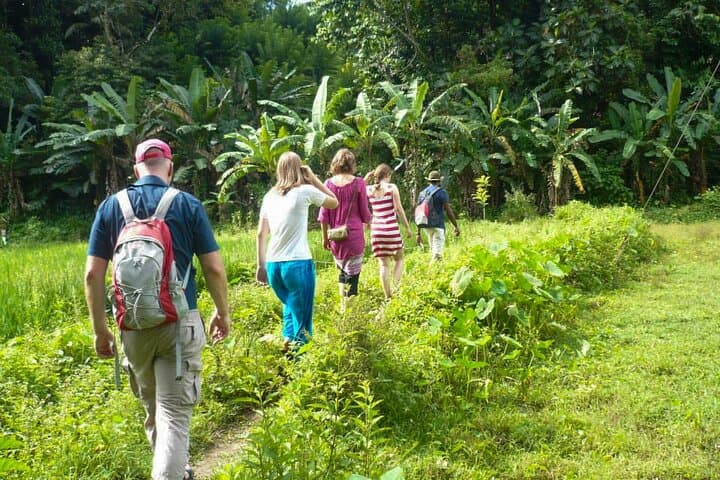
Morning light finds you moving from Kandy’s narrow streets into open fields, the soundscape shifting from engine hum to birds and water through paddy channels.
Verified experiences and guided adventures in the surrounding area.
Operated by Lakpura LLC · Kandy, Central Province
Morning light finds you moving from Kandy’s narrow streets into open fields, the soundscape shifting from engine hum to birds and water through paddy channels.
This full-day loop combines short treks—about 4.5 km on the Lankathilaka approach—with visits to Gadaladeniya, Lankathilaka and Embekke temples. Rocks and carved stone tell the story of the Kandyan Kingdom (14th–18th centuries), while the low hills record folded metamorphic geology common to Sri Lanka’s Central Highlands.
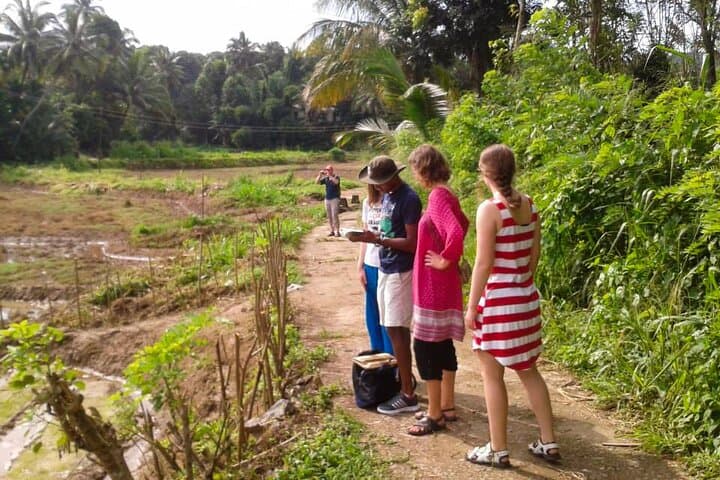
You’ll walk through home gardens and paddy plots where irrigation channels decide the day’s rhythm, and sample traditional snacks that anchor local foodways to rice, coconut and spices. A bus jaunt and a tuk‑tuk ride stitch rural lanes to small towns like Pilimatalawa, known for pottery and spice gardens—practical, human-scale transit that’s part of the experience.
Expect uneven footpaths, short steep pitches through tea edges, and occasional slipperiness after rain. Guides point out temple carvings and local cultivation techniques; they also help you read the landscape and choose safe footholds.
Practical tips: start early to avoid midday heat, carry water and sun protection, and wear sturdy shoes with grip. Bring cash for snacks and small purchases in villages. The itinerary balances walking with transport, so it’s suitable for most fitness levels but requires steady footing on rural trails.
This is a cultural walk with light trekking—an active day that pairs history, geology and village life without committing to long, remote hikes.
easy.
7–8 hours.
Suitable for most fitness levels; expect several short walks totaling 4–6 km on uneven ground with some short climbs
The guided day includes two main light treks (one about 4.5 km) and several shorter walks between sites; total walking distance is generally under 6 km.
Yes—transport by tuk‑tuk and local bus segments are included, plus guide-driven transfers as listed in the itinerary.
Traditional Sri Lankan snacks are included mid-day; plan for any additional drinks or purchases at village stalls.
The tour is rated easy and suitable for a wide range of ages, but uneven paths and short steps may be challenging for those with limited mobility.
Temples like Gadaladeniya and Lankathilaka reflect Kandyan-era architecture and stone carving traditions from the region’s medieval era.
Stick to marked paths, avoid trampling rice paddies, and dispose of waste with your guide; supporting local guides helps keep trails and cultural sites maintained.
Lakpura LLC operates guided outdoor trips and adventures with an emphasis on safety, stewardship, and memorable experiences.


Morning light finds you moving from Kandy’s narrow streets into open fields, the soundscape shifting from engine hum to birds and water through paddy channels.
Morning light finds you moving from Kandy’s narrow streets into open fields, the soundscape shifting from engine hum to birds and water through paddy channels.
This full-day loop combines short treks—about 4.5 km on the Lankathilaka approach—with visits to Gadaladeniya, Lankathilaka and Embekke temples. Rocks and carved stone tell the story of the Kandyan Kingdom (14th–18th centuries), while the low hills record folded metamorphic geology common to Sri Lanka’s Central Highlands.
You’ll walk through home gardens and paddy plots where irrigation channels decide the day’s rhythm, and sample traditional snacks that anchor local foodways to rice, coconut and spices. A bus jaunt and a tuk‑tuk ride stitch rural lanes to small towns like Pilimatalawa, known for pottery and spice gardens—practical, human-scale transit that’s part of the experience.
Expect uneven footpaths, short steep pitches through tea edges, and occasional slipperiness after rain. Guides point out temple carvings and local cultivation techniques; they also help you read the landscape and choose safe footholds.
Practical tips: start early to avoid midday heat, carry water and sun protection, and wear sturdy shoes with grip. Bring cash for snacks and small purchases in villages. The itinerary balances walking with transport, so it’s suitable for most fitness levels but requires steady footing on rural trails.
This is a cultural walk with light trekking—an active day that pairs history, geology and village life without committing to long, remote hikes.