THE ADVENTURE COLLECTIVE® · Independent discovery and booking for outdoor travel

A 19-day circuit to Kanchenjunga Base Camp that moves from lowland villages into glacial valleys and high alpine camp at Pang Pema. Expect sustained climbs, remote teahouse nights, and panoramic views of the world’s third-highest peak.
A 19-day circuit to Kanchenjunga Base Camp that moves from lowland villages into glacial valleys and high alpine camp at Pang Pema. Expect sustained climbs, remote teahouse nights, and panoramic views of the world’s third-highest peak.
Morning light slices across a raw horizon as you step out of a teahouse into the biting clarity of eastern Nepal. The trail hums—rivers daring you to cross, moraine fields pushing the pace, and the first distant facets of Kanchenjunga revealing themselves like an unfolding score. Over 19 days you move from humid terraced farmland into rhododendron forests, then into brittle alpine silence above 5,000 m at Pang Pema.
Verified experiences and guided adventures in the surrounding area.
Operated by Trek Mania Nepal · Taplejung, Koshi Province
Morning light slices across a raw horizon as you step out of a teahouse into the biting clarity of eastern Nepal. The trail hums—rivers daring you to cross, moraine fields pushing the pace, and the first distant facets of Kanchenjunga revealing themselves like an unfolding score. Over 19 days you move from humid terraced farmland into rhododendron forests, then into brittle alpine silence above 5,000 m at Pang Pema.
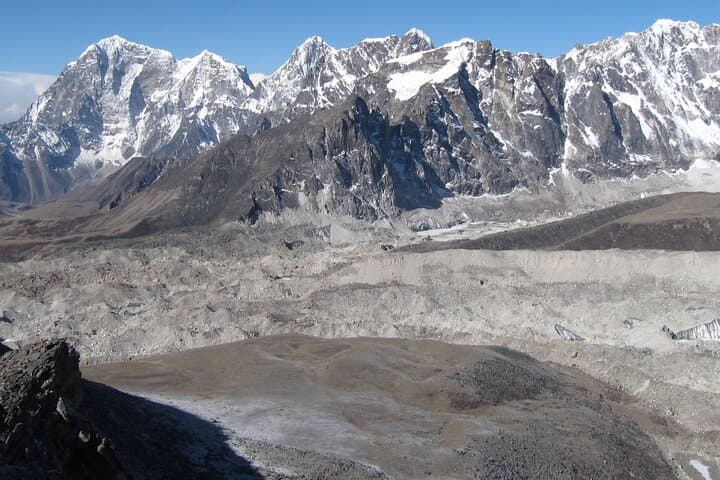
The region’s history is written in Limbu and Rai villages that dot the route: traditional wooden houses, Buddhist prayer flags, and chortens marking old trade lines between Tibet and the lowlands. Geologically, Kanchenjunga’s slopes are a study in uplift and glaciation—moraines, hanging valleys, and blue-ice channels sculpt a high mountain theater. Local culture is quiet but immediate; expect warm, practical hospitality and simple meals that fuel long days.
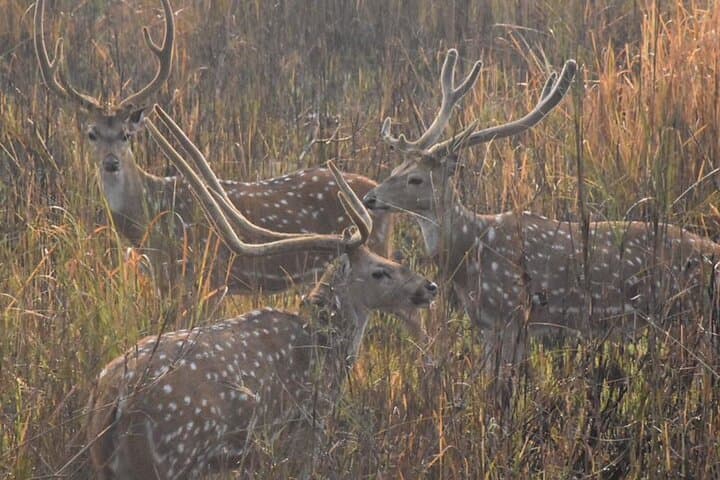
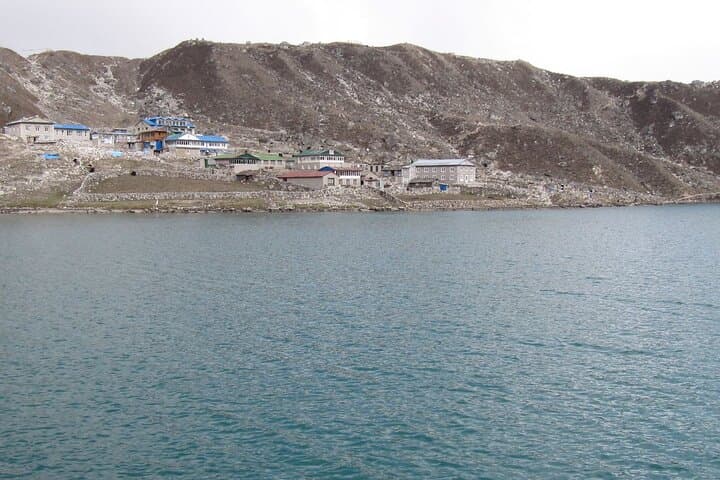
Plan for gradual acclimatization: the itinerary builds rest days at Ghunsa and Pang Pema for a reason. Weather shifts fast—sunlit panoramas can harden into wind-shear and snow by afternoon. Wildlife moves on its own schedule; watch stone-strewn slopes for blue sheep and listen for distant snow leopard calls in the valley hush.
Practical guidance: travel light but prepared—sturdy boots, layered insulation, and a guide experienced in permits and high-altitude logistics are essential. Hydrate relentlessly, pace conservatively, and carry basic altitude meds. This is a demanding, non-technical trek that rewards patience with some of the quietest, least-crowded Himalayan high country you can still find.
difficult.
19 days.
Strong aerobic fitness, experience with consecutive long trekking days and high-altitude conditions is required
Yes. Kanchenjunga Conservation Area permits are required and local guides handle permits, route-finding, and liaison with checkpoints.
This is a difficult, high-altitude trek with long days and sections over moraines and glaciers; it is non-technical but physically demanding.
Late September to November offers the most stable weather and best peak visibility; spring (April–May) is also popular for rhododendrons.
Local agencies typically provide porters or yaks/duffels for loads; confirm weight limits and tipping etiquette before departure.
The route follows old trans-Himalayan trade corridors and passes villages shaped by Limbu and Rai cultures with Tibetan influences.
The Kanchenjunga Conservation Area is protected; stick to marked trails, pack out waste, and support local lodges that follow sustainable practices.
Trek Mania Nepal operates guided outdoor trips and adventures with an emphasis on safety, stewardship, and memorable experiences.
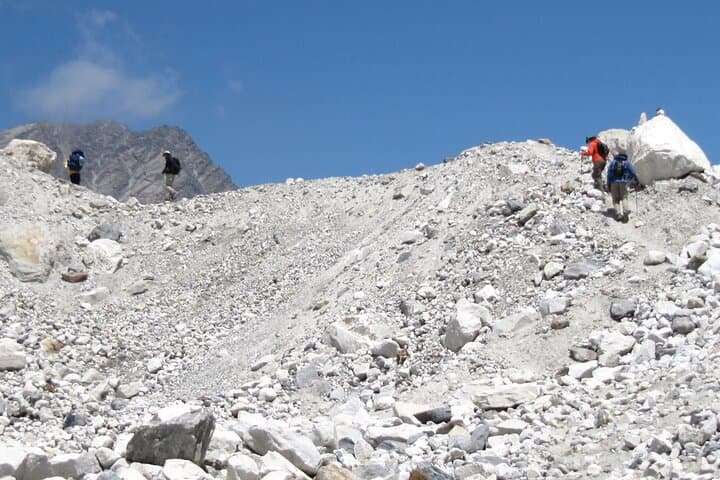
Morning light slices across a raw horizon as you step out of a teahouse into the biting clarity of eastern Nepal. The trail hums—rivers daring you to cross, moraine fields pushing the pace, and the first distant facets of Kanchenjunga revealing themselves like an unfolding score. Over 19 days you move from humid terraced farmland into rhododendron forests, then into brittle alpine silence above 5,000 m at Pang Pema.
Morning light slices across a raw horizon as you step out of a teahouse into the biting clarity of eastern Nepal. The trail hums—rivers daring you to cross, moraine fields pushing the pace, and the first distant facets of Kanchenjunga revealing themselves like an unfolding score. Over 19 days you move from humid terraced farmland into rhododendron forests, then into brittle alpine silence above 5,000 m at Pang Pema.
The region’s history is written in Limbu and Rai villages that dot the route: traditional wooden houses, Buddhist prayer flags, and chortens marking old trade lines between Tibet and the lowlands. Geologically, Kanchenjunga’s slopes are a study in uplift and glaciation—moraines, hanging valleys, and blue-ice channels sculpt a high mountain theater. Local culture is quiet but immediate; expect warm, practical hospitality and simple meals that fuel long days.
Plan for gradual acclimatization: the itinerary builds rest days at Ghunsa and Pang Pema for a reason. Weather shifts fast—sunlit panoramas can harden into wind-shear and snow by afternoon. Wildlife moves on its own schedule; watch stone-strewn slopes for blue sheep and listen for distant snow leopard calls in the valley hush.
Practical guidance: travel light but prepared—sturdy boots, layered insulation, and a guide experienced in permits and high-altitude logistics are essential. Hydrate relentlessly, pace conservatively, and carry basic altitude meds. This is a demanding, non-technical trek that rewards patience with some of the quietest, least-crowded Himalayan high country you can still find.