THE ADVENTURE COLLECTIVE® · Independent discovery and booking for outdoor travel

A demanding, remote trek into Nepal’s Taplejung district that reaches Kanchenjunga South Base Camp. Expect steep ascents, basic teahouses, high-altitude views, and rich Rai and Limbu cultural encounters.
A demanding, remote trek into Nepal’s Taplejung district that reaches Kanchenjunga South Base Camp. Expect steep ascents, basic teahouses, high-altitude views, and rich Rai and Limbu cultural encounters.
Dawn breaks cold and thin on the trail as you climb out of terraced tea slopes and into a forest that seems to hold its breath. The ridge opens, and Kanchenjunga’s southern wall looms—raw, glacier-scarred, and unmoving—while wind threads the valley below, daring you forward.
Verified experiences and guided adventures in the surrounding area.
Operated by Breeze Adventure Pvt Ltd · Taplejung, Province No. 1
Dawn breaks cold and thin on the trail as you climb out of terraced tea slopes and into a forest that seems to hold its breath. The ridge opens, and Kanchenjunga’s southern wall looms—raw, glacier-scarred, and unmoving—while wind threads the valley below, daring you forward.
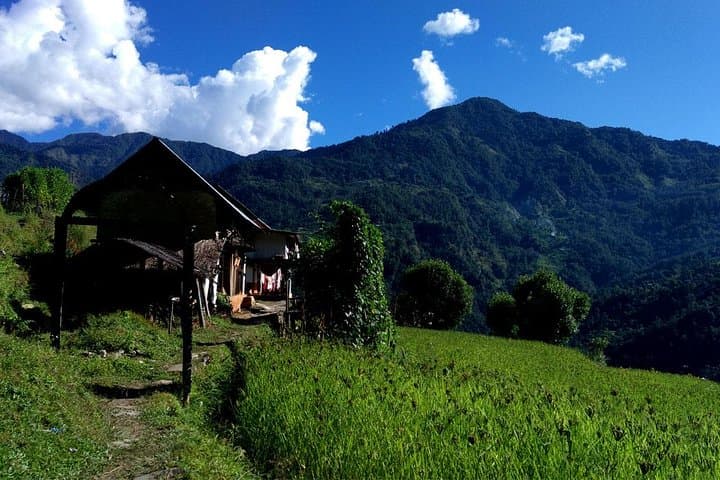
This route runs through Nepal’s Taplejung district, a corridor long used by local traders between India, Tibet, and Nepal. Geologically, Kanchenjunga is a product of the same uplift that raised the central Himalaya: folded crystalline rock, active glaciers like Yalung, and steep moraines that mark past advances. Culturally the trek passes Rai, Limbu, and Tibetan-influenced settlements; each village keeps distinct dialects, ritual festivals, and hospitality centered on teahouses and communal meals.
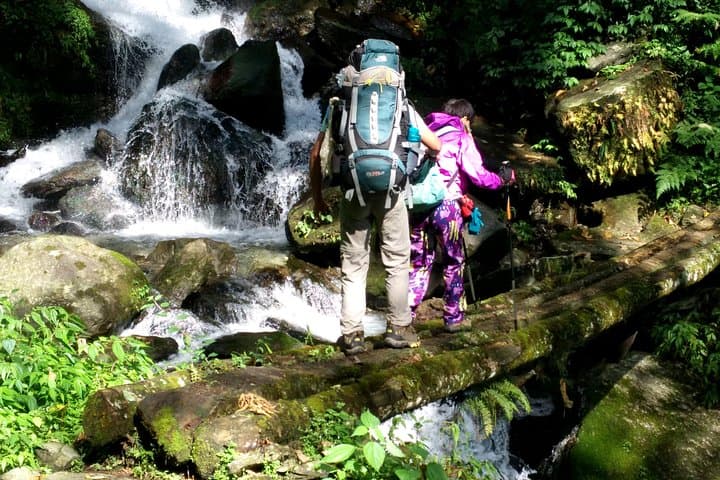
Expect mixed terrain: steep forested switchbacks, river crossings on suspension bridges, rock-strewn glacial approaches, and high alpine meadows. Wildlife is elusive—Himalayan tahr, musk deer, and highland pheasants patrol the slopes; snow leopard and red panda sightings are rare but possible.
Practical guidance: plan for slow, steady miles and two nights of pre-acclimatization. Teahouse lodging is basic above 2,500 m; Ramche is the last reliable stop before high camp and sometimes requires tenting. Carry layered insulation, a good sleeping bag rated for sub-zero nights, and a simple first-aid kit for altitude symptoms. Hydrate early each day, use trekking poles to save knees on long descents, and keep cash for remote purchases—ATMs are unavailable beyond Taplejung. With careful pacing, this trek delivers Himalayan scale and solitude similar to Everest Base Camp but with far fewer trekkers.
challenging.
13 days.
Good aerobic fitness with experience in multiday hikes; comfortable carrying a daypack and walking 5–8 hours daily.
Yes—Kanchenjunga Conservation Area Permit (KCAP) and TIMS or relevant trekking permits are required; your operator usually arranges these.
Ascend slowly, hydrate, avoid alcohol, and know early symptoms; descend immediately if moderate or severe signs appear and seek medical care.
Accommodation is mostly local teahouses with shared facilities; basic guesthouses in lower villages and occasional tenting near Ramche.
Fall (Sept–Nov) and spring (Mar–May) offer the best combination of stable weather and clear mountain views.
This corridor was historically part of trans-Himalayan trade between India and Tibet; villages retain distinctive Rai and Limbu customs tied to agriculture and animal herding.
The Kanchenjunga Conservation Area aims to protect fragile alpine ecosystems; travelers should stick to trails, pack out waste, and minimize campfire use.
Breeze Adventure Pvt Ltd operates guided outdoor trips and adventures with an emphasis on safety, stewardship, and memorable experiences.
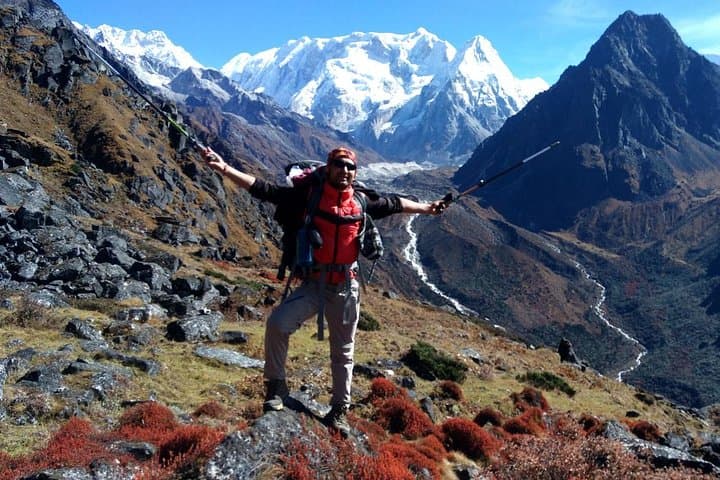
Dawn breaks cold and thin on the trail as you climb out of terraced tea slopes and into a forest that seems to hold its breath. The ridge opens, and Kanchenjunga’s southern wall looms—raw, glacier-scarred, and unmoving—while wind threads the valley below, daring you forward.
Dawn breaks cold and thin on the trail as you climb out of terraced tea slopes and into a forest that seems to hold its breath. The ridge opens, and Kanchenjunga’s southern wall looms—raw, glacier-scarred, and unmoving—while wind threads the valley below, daring you forward.
This route runs through Nepal’s Taplejung district, a corridor long used by local traders between India, Tibet, and Nepal. Geologically, Kanchenjunga is a product of the same uplift that raised the central Himalaya: folded crystalline rock, active glaciers like Yalung, and steep moraines that mark past advances. Culturally the trek passes Rai, Limbu, and Tibetan-influenced settlements; each village keeps distinct dialects, ritual festivals, and hospitality centered on teahouses and communal meals.
Expect mixed terrain: steep forested switchbacks, river crossings on suspension bridges, rock-strewn glacial approaches, and high alpine meadows. Wildlife is elusive—Himalayan tahr, musk deer, and highland pheasants patrol the slopes; snow leopard and red panda sightings are rare but possible.
Practical guidance: plan for slow, steady miles and two nights of pre-acclimatization. Teahouse lodging is basic above 2,500 m; Ramche is the last reliable stop before high camp and sometimes requires tenting. Carry layered insulation, a good sleeping bag rated for sub-zero nights, and a simple first-aid kit for altitude symptoms. Hydrate early each day, use trekking poles to save knees on long descents, and keep cash for remote purchases—ATMs are unavailable beyond Taplejung. With careful pacing, this trek delivers Himalayan scale and solitude similar to Everest Base Camp but with far fewer trekkers.