THE ADVENTURE COLLECTIVE® · Independent discovery and booking for outdoor travel

A 23‑day guided circuit that reaches Kanchenjunga’s North base camp at 5,300 m, this trek passes Sherpa villages, glacial valleys and two base camps. Expect long transfers, basic lodges, and high‑altitude hiking that rewards patience with unparalleled mountain views.
A 23‑day guided circuit that reaches Kanchenjunga’s North base camp at 5,300 m, this trek passes Sherpa villages, glacial valleys and two base camps. Expect long transfers, basic lodges, and high‑altitude hiking that rewards patience with unparalleled mountain views.
A cold dawn lifts off Kathmandu as you board the night bus, trading city lights for Tamor River canyons and, eventually, the close, harsh geometry of the Kanchenjunga range. By mid-trek the valley tightens: rickety wooden bridges, bamboo groves, and rhododendron forests give way to wind-scoured moraines and the clean, brittle air above 4,000 meters. The peaks don’t announce themselves all at once; they arrive in stages — Jannu’s steep face, then the stepped ridges of Kanchenjunga I–III under a sky so clear the stars feel low enough to touch.
Verified experiences and guided adventures in the surrounding area.
Operated by Nepal Mountain Club Pvt Ltd · Taplejung, Province No. 1
A cold dawn lifts off Kathmandu as you board the night bus, trading city lights for Tamor River canyons and, eventually, the close, harsh geometry of the Kanchenjunga range. By mid-trek the valley tightens: rickety wooden bridges, bamboo groves, and rhododendron forests give way to wind-scoured moraines and the clean, brittle air above 4,000 meters. The peaks don’t announce themselves all at once; they arrive in stages — Jannu’s steep face, then the stepped ridges of Kanchenjunga I–III under a sky so clear the stars feel low enough to touch.
The route threads Sherpa villages and monastery stops that reflect a living mountain culture shaped by Tibetan and Nepali influences. Geologically, you move from river-carved Siwalik foothills into the crystalline Himalayan core: glacial valleys, lateral moraines and exposed bedrock that tip off recent uplift and ongoing glaciation. Historically the region remained remote longer than other Nepal ranges; local communities maintain agricultural and cardamom-cultivation traditions and regard the mountains as sacred.
Practically: the itinerary is 21–23 days with sustained marches to 5,300 m and multiple acclimatization days. Expect basic teahouse lodgings on trail, porters and guides provided, and long jeep/bus transfers at each end. Terrain alternates easy valley walking with steep ascents, exposed high camp approaches and loose scree near base camps. Carry layers for large diurnal swings, prioritize hydration and slow ascent to reduce altitude risk, and bring a solid sleeping bag rated to -10°C or lower. Permits are required; travel with a licensed operator experienced in Kanchenjunga logistics.
challenging.
21–23 days.
High aerobic fitness and prior multi‑day trekking experience recommended; comfortable with 6–8 hour days and high‑altitude exposure.
Yes — Kanchenjunga requires a conservation area permit and TIMS or trek permits; operators usually arrange these before departure.
You reach up to 5,300 m; acclimatization days and a slow ascent profile are essential to reduce acute mountain sickness risk.
Basic lodges and teahouses serve most stops until the high Lhonak/Lhonak‑base areas, where facilities are very sparse and conditions are rudimentary.
Spring (April–May) and autumn (October–November) offer the most stable weather and clearer mountain views; winter is cold and summer brings monsoon rains.
The Kanchenjunga region has long been home to Sherpa and Limbu communities; Western mountaineering parties first reached nearby summits in the mid‑20th century while local culture continues to center mountain reverence.
The area falls under the Kanchenjunga Conservation Area; stick to marked trails, minimize waste, and use local guides to support community‑based conservation.
Nepal Mountain Club Pvt Ltd operates guided outdoor trips and adventures with an emphasis on safety, stewardship, and memorable experiences.
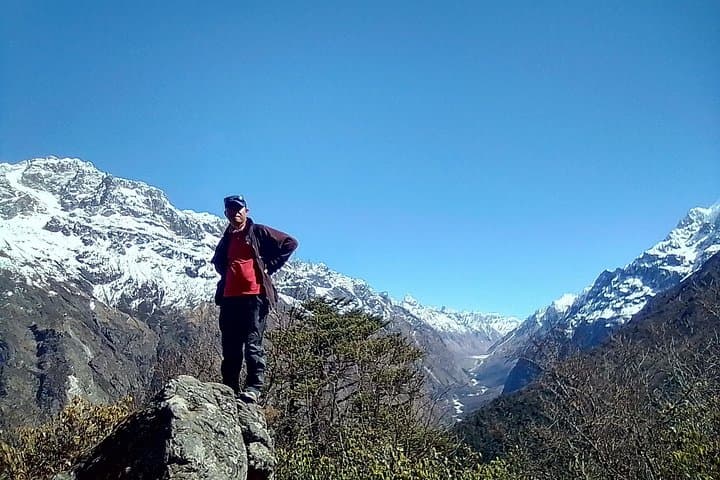
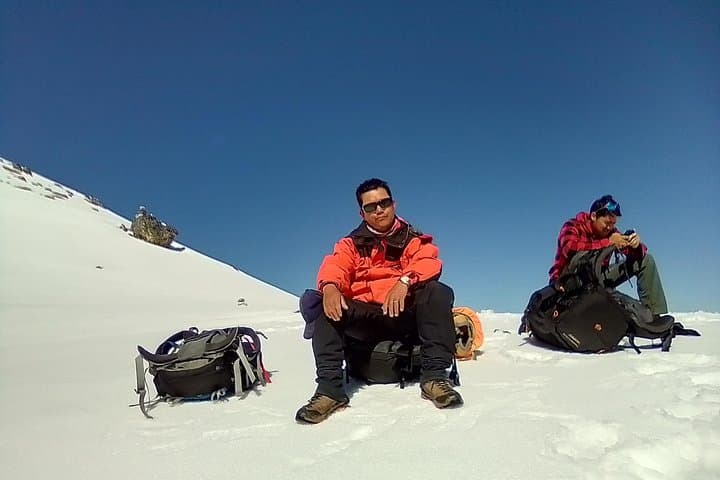
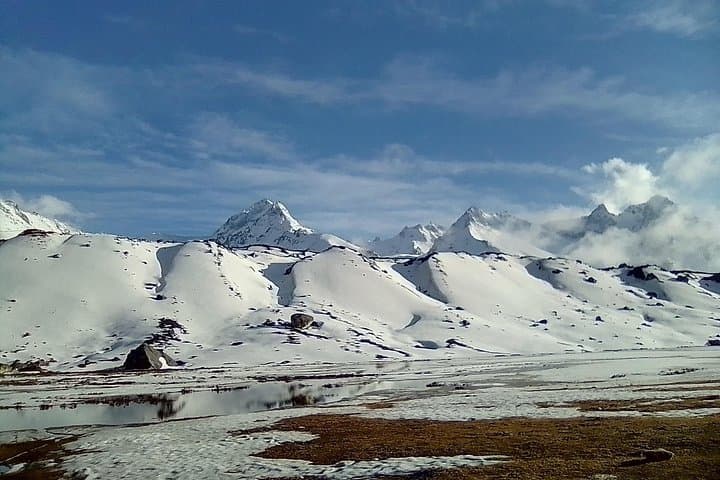
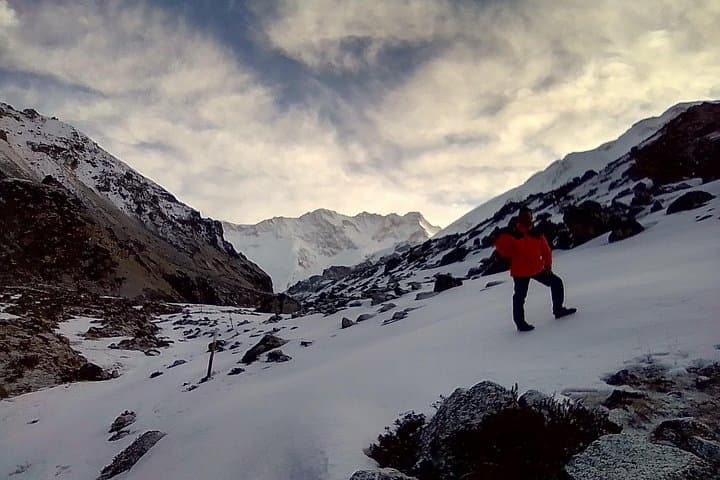
A cold dawn lifts off Kathmandu as you board the night bus, trading city lights for Tamor River canyons and, eventually, the close, harsh geometry of the Kanchenjunga range. By mid-trek the valley tightens: rickety wooden bridges, bamboo groves, and rhododendron forests give way to wind-scoured moraines and the clean, brittle air above 4,000 meters. The peaks don’t announce themselves all at once; they arrive in stages — Jannu’s steep face, then the stepped ridges of Kanchenjunga I–III under a sky so clear the stars feel low enough to touch.
A cold dawn lifts off Kathmandu as you board the night bus, trading city lights for Tamor River canyons and, eventually, the close, harsh geometry of the Kanchenjunga range. By mid-trek the valley tightens: rickety wooden bridges, bamboo groves, and rhododendron forests give way to wind-scoured moraines and the clean, brittle air above 4,000 meters. The peaks don’t announce themselves all at once; they arrive in stages — Jannu’s steep face, then the stepped ridges of Kanchenjunga I–III under a sky so clear the stars feel low enough to touch.
The route threads Sherpa villages and monastery stops that reflect a living mountain culture shaped by Tibetan and Nepali influences. Geologically, you move from river-carved Siwalik foothills into the crystalline Himalayan core: glacial valleys, lateral moraines and exposed bedrock that tip off recent uplift and ongoing glaciation. Historically the region remained remote longer than other Nepal ranges; local communities maintain agricultural and cardamom-cultivation traditions and regard the mountains as sacred.
Practically: the itinerary is 21–23 days with sustained marches to 5,300 m and multiple acclimatization days. Expect basic teahouse lodgings on trail, porters and guides provided, and long jeep/bus transfers at each end. Terrain alternates easy valley walking with steep ascents, exposed high camp approaches and loose scree near base camps. Carry layers for large diurnal swings, prioritize hydration and slow ascent to reduce altitude risk, and bring a solid sleeping bag rated to -10°C or lower. Permits are required; travel with a licensed operator experienced in Kanchenjunga logistics.