THE ADVENTURE COLLECTIVE® · Independent discovery and booking for outdoor travel

A 23-day, off-the-grid circuit around Kanchenjunga that threads remote Sherpa and Limbu villages, high alpine passes and sweeping views of the world’s third-highest peak. Expect long days, high passes and teahouse-style support through a protected conservation area.
A 23-day, off-the-grid circuit around Kanchenjunga that threads remote Sherpa and Limbu villages, high alpine passes and sweeping views of the world’s third-highest peak. Expect long days, high passes and teahouse-style support through a protected conservation area.
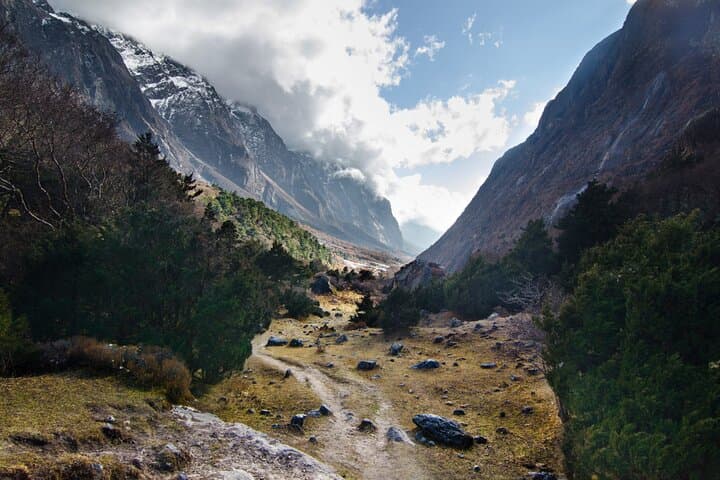
Morning light first pins the ridgelines of eastern Nepal in silver and rose as a small convoy pulls out of Kathmandu, and the long approach begins. The road winds through tea gardens and lowland river plains, then climbs into the jumble of rhododendron, oak and pine where villages tighten around prayer flags and the trail narrows to a highland thread.
Verified experiences and guided adventures in the surrounding area.
Operated by AM Travels and Tours · Taplejung, Province No. 1
Morning light first pins the ridgelines of eastern Nepal in silver and rose as a small convoy pulls out of Kathmandu, and the long approach begins. The road winds through tea gardens and lowland river plains, then climbs into the jumble of rhododendron, oak and pine where villages tighten around prayer flags and the trail narrows to a highland thread.
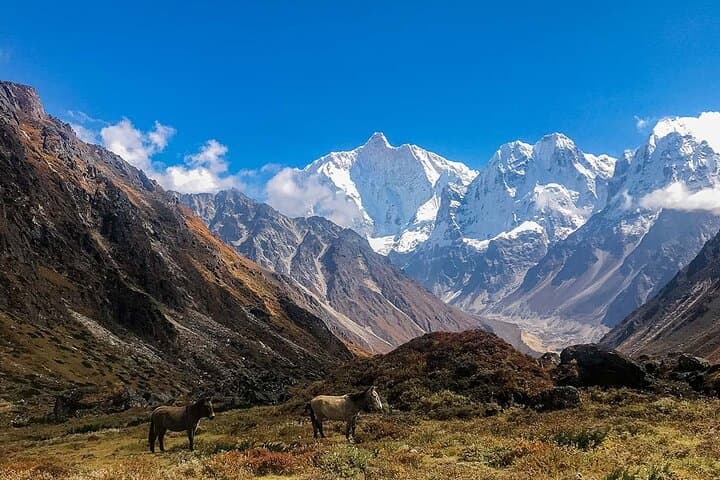
This route circles Kanchenjunga—literally “the five treasures of snow”—a massif long held sacred by Rai, Limbu and Sherpa communities. Geologically the range is part of the Himalayan uplift: ancient marine sediments crumpled into glacial cirques, moraine amphitheaters and black rock faces. Culturally the circuit moves through remote settlements where teahouses, monastery mani walls and yak pastures define daily life.
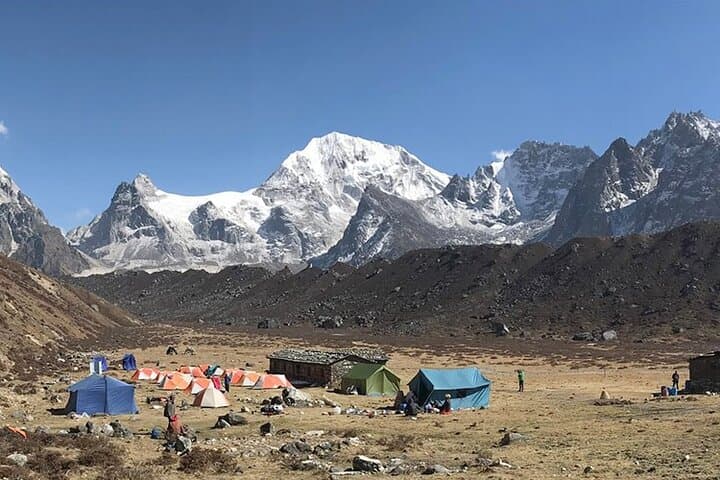
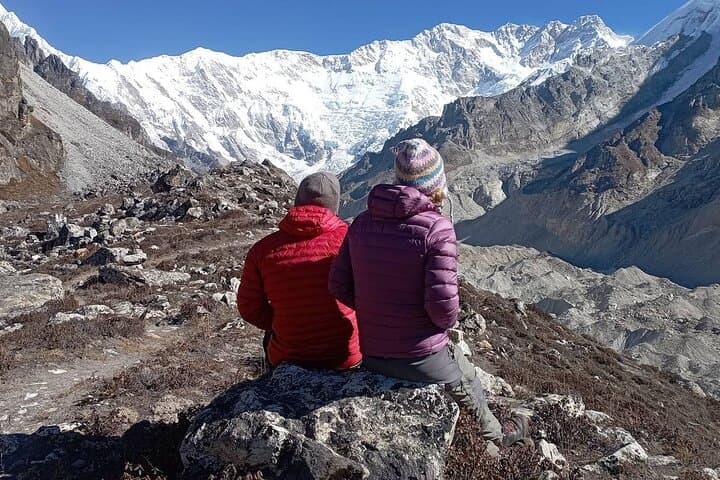
Expect long trekking days interspersed with deliberate acclimatization: forested lower sections transition to alpine meadows and arid moraines above 4,000 m. You’ll cross high cols and walk to Pangpema (North Base Camp) for panoramic views of Kanchenjunga’s jagged crowns; glacier skylines and occasional icefalls frame the horizon.
Practical guidance: pack layered clothing for strong sun, cold nights and sudden weather; bring a quality sleeping bag to -10°C and sturdy boots for mixed rock and snow. Hydrate and pace uphill—altitude is the central risk. Obtain the Conservation Area permit and restricted-area permit in advance and travel with an experienced guide. Plan buffer days for weather and ascent, and budget for basic teahouse lodging and local hospitality along the route.
challenging.
21–23 days.
Requires excellent cardiovascular fitness and experience with sustained uphill days; training with long hikes and loaded packs recommended
Yes—trekkers require a Kanchenjunga Conservation Area permit and a separate restricted-area permit; your operator usually arranges these in advance.
The circuit reaches roughly 5,140 m at the North Base Camp day trip (Pangpema); other passes approach 4,400–4,700 m, so altitude acclimatization is essential.
Teahouses are simple: shared or private rooms with basic beds, squat or western-style toilets vary, and hot showers are rare at higher elevations.
Spring (April–May) and autumn (late Sept–Nov) offer the most stable weather and clear mountain views; winter is cold and winter storms can close high passes.
Kanchenjunga has deep spiritual significance to local Rai, Limbu and Sherpa populations and its name refers to five high summits considered treasures of the region.
The route runs through the Kanchenjunga Conservation Area—stick to marked trails, avoid single-use plastics and support local teahouses to reduce environmental pressure.
AM Travels and Tours operates guided outdoor trips and adventures with an emphasis on safety, stewardship, and memorable experiences.
Morning light first pins the ridgelines of eastern Nepal in silver and rose as a small convoy pulls out of Kathmandu, and the long approach begins. The road winds through tea gardens and lowland river plains, then climbs into the jumble of rhododendron, oak and pine where villages tighten around prayer flags and the trail narrows to a highland thread.
Morning light first pins the ridgelines of eastern Nepal in silver and rose as a small convoy pulls out of Kathmandu, and the long approach begins. The road winds through tea gardens and lowland river plains, then climbs into the jumble of rhododendron, oak and pine where villages tighten around prayer flags and the trail narrows to a highland thread.
This route circles Kanchenjunga—literally “the five treasures of snow”—a massif long held sacred by Rai, Limbu and Sherpa communities. Geologically the range is part of the Himalayan uplift: ancient marine sediments crumpled into glacial cirques, moraine amphitheaters and black rock faces. Culturally the circuit moves through remote settlements where teahouses, monastery mani walls and yak pastures define daily life.
Expect long trekking days interspersed with deliberate acclimatization: forested lower sections transition to alpine meadows and arid moraines above 4,000 m. You’ll cross high cols and walk to Pangpema (North Base Camp) for panoramic views of Kanchenjunga’s jagged crowns; glacier skylines and occasional icefalls frame the horizon.
Practical guidance: pack layered clothing for strong sun, cold nights and sudden weather; bring a quality sleeping bag to -10°C and sturdy boots for mixed rock and snow. Hydrate and pace uphill—altitude is the central risk. Obtain the Conservation Area permit and restricted-area permit in advance and travel with an experienced guide. Plan buffer days for weather and ascent, and budget for basic teahouse lodging and local hospitality along the route.