THE ADVENTURE COLLECTIVE® · Independent discovery and booking for outdoor travel

A remote 19-day circuit around Kanchenjunga that trades crowds for raw alpine terrain, village teahouses and multi-day glacier approaches. Expect long days, high passes and carefully paced acclimatization to reach both North and South base-camp viewpoints.
A remote 19-day circuit around Kanchenjunga that trades crowds for raw alpine terrain, village teahouses and multi-day glacier approaches. Expect long days, high passes and carefully paced acclimatization to reach both North and South base-camp viewpoints.
A thin morning light finds the trail above Ghunsa, dusting prayer flags and the moraine with a cold clarity that pushes you forward. You breathe in river-clean air and step onto a path that alternates between rhododendron forests, steep ridgelines and raw glacier moraine — the route feels like it is moving you through the mountain itself.
Verified experiences and guided adventures in the surrounding area.
Operated by Nepal Nirvana Trails · Taplejung, Province No. 1
A thin morning light finds the trail above Ghunsa, dusting prayer flags and the moraine with a cold clarity that pushes you forward. You breathe in river-clean air and step onto a path that alternates between rhododendron forests, steep ridgelines and raw glacier moraine — the route feels like it is moving you through the mountain itself.
This circuit circles the remote flanks of Kanchenjunga, the world’s third-highest massif, carved by millennia of glaciation. The route crosses high passes (up to ~4,740–5,143 m at base-camp approaches), skirts isolated Sherpa and Limbu settlements, and threads Kanchenjunga Conservation Area, established to protect rare alpine species and sacred sites. Villages remain small and largely tea-house based, which preserves a quieter cultural pace compared with more popular Nepali treks.
Expect sustained uphill days of 6–21 km and 4–8 hours of walking per day, uneven terrain of forest trails, scree and moraine, and at least two acclimatization stops (Khambachen and Lhonak are typical). Logistics include a domestic flight to Bhadrapur, jeep transfers into Taplejung, tea-house accommodation en route and required permits checked at park entry points.
Practical guidance: prioritize acclimatization, carry layered clothing for sharp diurnal swings, and use sturdy boots with good ankle support for scree and icy patches. Bring cash — many tea-houses won’t accept cards — and a reliable water treatment method. Start early on high days to avoid afternoon wind and keep daily mileage conservative; the landscape rewards patience with sustained summit views and wildlife sightings if you move quietly.
expert.
19 days.
Good to excellent cardiovascular fitness with experience on multi-day mountain treks; able to carry a daypack for 6–8 hours at altitude.
Pre-monsoon spring (April–May) and autumn (October–November) offer the most stable weather and clearer mountain views.
Yes — Kanchenjunga Conservation Area permits and TIMS/trekking permits are required and typically organized before or at trailhead checkpoints.
Daily stages range from moderate to very strenuous, with long days up to 21 km and sustained altitude gains; expect 4–8 hours of walking most days.
Accommodation is basic tea-house lodging; meals are simple Nepali fare—vegetarian options are common, but bring snacks if you need variety.
The region sits within traditional Limbu and Sherpa lands with long trans-Himalayan trade and yak-herding history; sacred rituals and mani walls mark passes and village approaches.
Kanchenjunga Conservation Area protects fragile alpine habitat and rare species; minimize impact by packing out waste and avoiding wood collection for fuel.
Nepal Nirvana Trails operates guided outdoor trips and adventures with an emphasis on safety, stewardship, and memorable experiences.
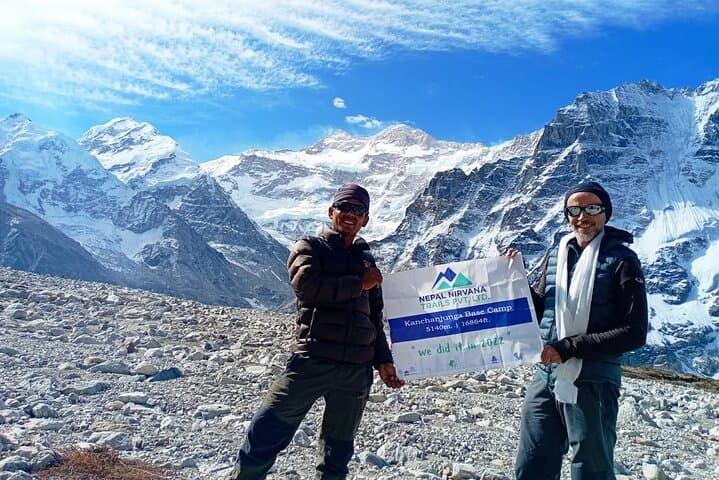
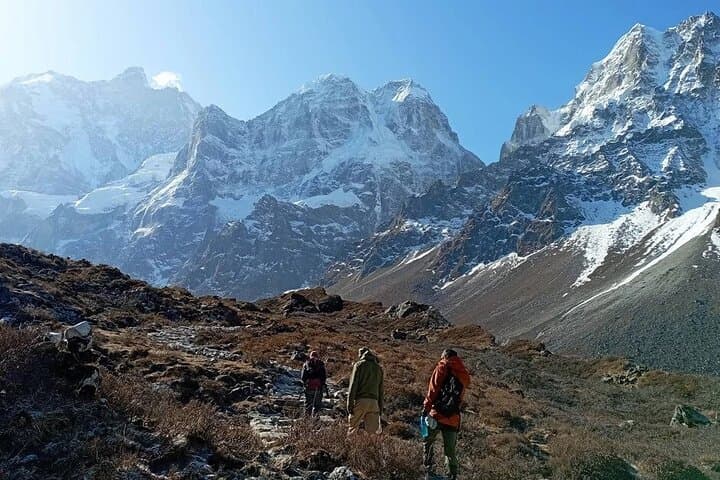
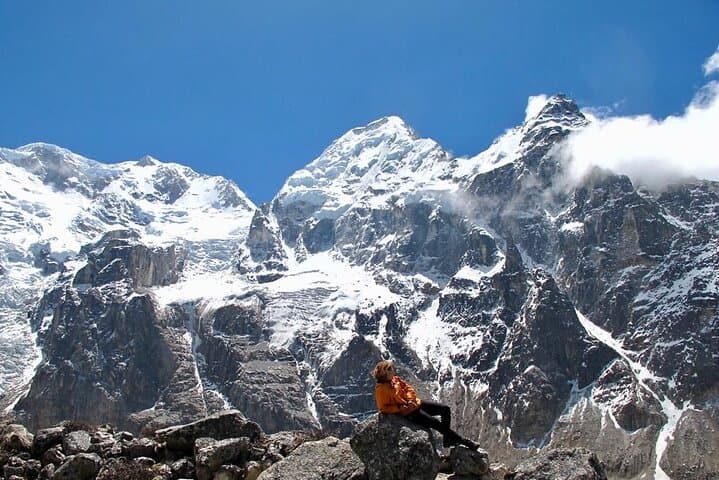
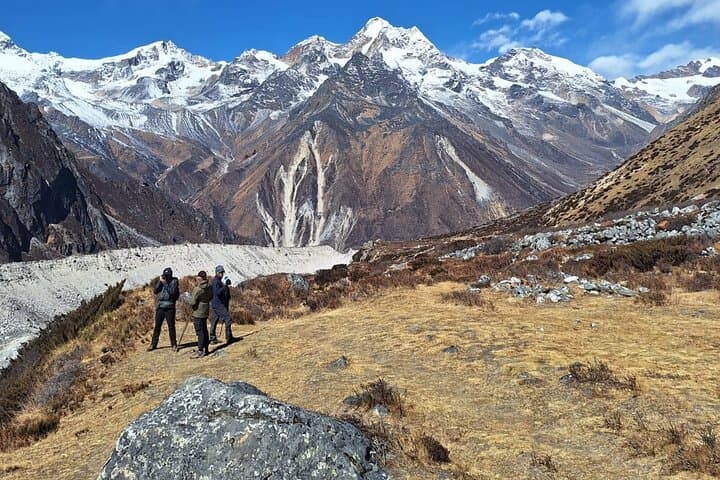
A thin morning light finds the trail above Ghunsa, dusting prayer flags and the moraine with a cold clarity that pushes you forward. You breathe in river-clean air and step onto a path that alternates between rhododendron forests, steep ridgelines and raw glacier moraine — the route feels like it is moving you through the mountain itself.
A thin morning light finds the trail above Ghunsa, dusting prayer flags and the moraine with a cold clarity that pushes you forward. You breathe in river-clean air and step onto a path that alternates between rhododendron forests, steep ridgelines and raw glacier moraine — the route feels like it is moving you through the mountain itself.
This circuit circles the remote flanks of Kanchenjunga, the world’s third-highest massif, carved by millennia of glaciation. The route crosses high passes (up to ~4,740–5,143 m at base-camp approaches), skirts isolated Sherpa and Limbu settlements, and threads Kanchenjunga Conservation Area, established to protect rare alpine species and sacred sites. Villages remain small and largely tea-house based, which preserves a quieter cultural pace compared with more popular Nepali treks.
Expect sustained uphill days of 6–21 km and 4–8 hours of walking per day, uneven terrain of forest trails, scree and moraine, and at least two acclimatization stops (Khambachen and Lhonak are typical). Logistics include a domestic flight to Bhadrapur, jeep transfers into Taplejung, tea-house accommodation en route and required permits checked at park entry points.
Practical guidance: prioritize acclimatization, carry layered clothing for sharp diurnal swings, and use sturdy boots with good ankle support for scree and icy patches. Bring cash — many tea-houses won’t accept cards — and a reliable water treatment method. Start early on high days to avoid afternoon wind and keep daily mileage conservative; the landscape rewards patience with sustained summit views and wildlife sightings if you move quietly.