THE ADVENTURE COLLECTIVE® · Independent discovery and booking for outdoor travel

A remote, multi‑day Himalayan trek from Taplejung to the south and north base camps of Kanchenjunga. Expect high passes, lodge-to-lodge camping, and deep cultural encounters with Limbu and Sherpa communities.
A remote, multi‑day Himalayan trek from Taplejung to the south and north base camps of Kanchenjunga. Expect high passes, lodge-to-lodge camping, and deep cultural encounters with Limbu and Sherpa communities.
You step out of a dusty jeep at the edge of a valley and the mountain answers: a jagged wall of ice and rock filling the horizon, wind threading prayer flags into motion. The first days climb through terraced farms and Limbu hamlets, then the trail tightens into rhododendron forest and moraine—every step higher the air thins and the views sharpen.
Verified experiences and guided adventures in the surrounding area.
Operated by Three Jewels Adventures · Taplejung, Koshi Province
You step out of a dusty jeep at the edge of a valley and the mountain answers: a jagged wall of ice and rock filling the horizon, wind threading prayer flags into motion. The first days climb through terraced farms and Limbu hamlets, then the trail tightens into rhododendron forest and moraine—every step higher the air thins and the views sharpen.
Geology and culture here are braided. Kanchenjunga’s massif is a product of the Indian and Eurasian plates colliding; ancient glaciers carve cirques and feed braided streams that dare you to pick a path. The area’s human history centers on Kirant and Sherpa communities who traded across high passes for centuries; monasteries and mani stones mark old routes. Wildlife is stealthy—red panda footprints in soft soil, larger predators only occasionally seen in protected zones.
Practical guidance: this is a long, remote, high-altitude trek—expect 18–22 days on trail with sustained sections above 3,500–4,200 m. Lodges and tea-houses are basic; bring layered insulation, a reliable sleeping system and a headlamp. Acclimatize with rest days at Tseram and Ramche; hydrate, eat, and watch for headaches or breathlessness. Weather shifts fast—clear mornings can turn to wind-swept afternoons. Communications are limited; guides, porters and local permits through the Kanchenjunga Conservation Area are essential.
The route rewards patience: high passes (Sele La), the Oktang viewpoints near south base camp, and the quieter northern approaches to Lhonak offer expansive, uncrowded Himalayan panoramas. Plan extra days for flexibility and respect local customs—remove footwear before entering lodges and ask before photographing elders.
challenging.
18–22 days.
Good aerobic fitness and multi-day endurance; comfortable carrying a daypack and hiking 5–8 hours daily on rough terrain.
Yes—trekking permits and a TIMS card are required; your operator typically arranges these in Kathmandu or Taplejung.
Late September to November and March to May offer the most stable visibility and weather windows for high passes.
Much of the trek is remote with limited mobile coverage; satellite phones or local SIMs with patchy reception are recommended for emergencies.
Basic tea-houses and lodges exist on most stages, but services become sparse above 3,500 m—expect simple meals and limited hot water.
The Kanchenjunga region has long been a crossroads of Kirant, Limbu and Sherpa peoples; historic trade routes and high passes linked eastern Nepal with Sikkim and Tibet.
The Kanchenjunga Conservation Area protects fragile alpine ecosystems and cultural landscapes—minimize waste, avoid single‑use plastics, and follow local guidelines for camping and wildlife disturbance.
Three Jewels Adventures operates guided outdoor trips and adventures with an emphasis on safety, stewardship, and memorable experiences.
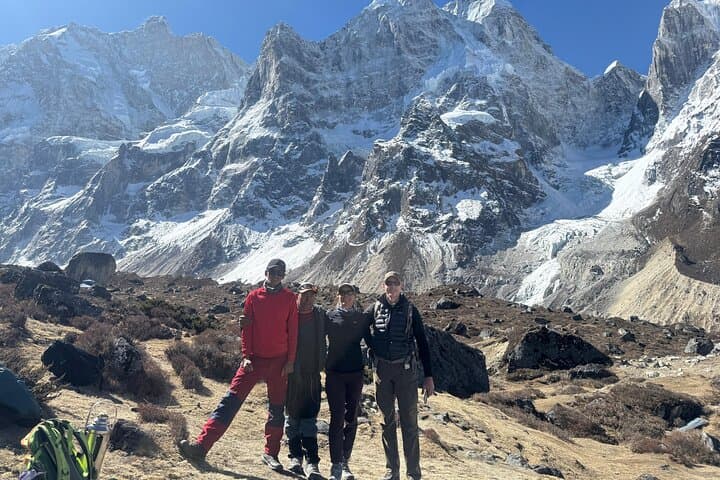
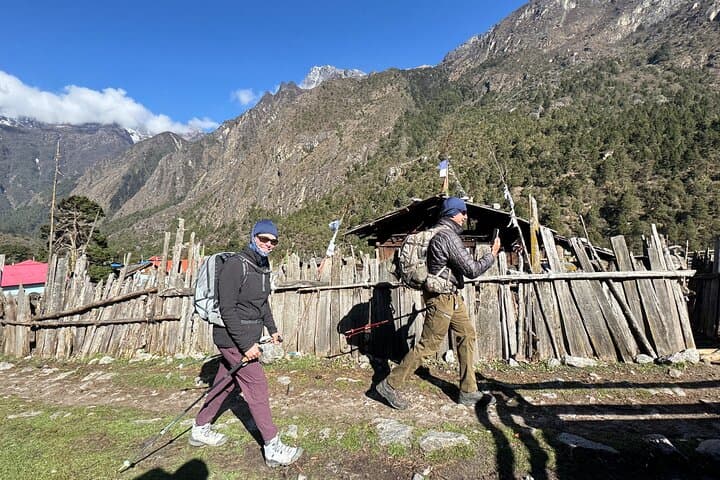
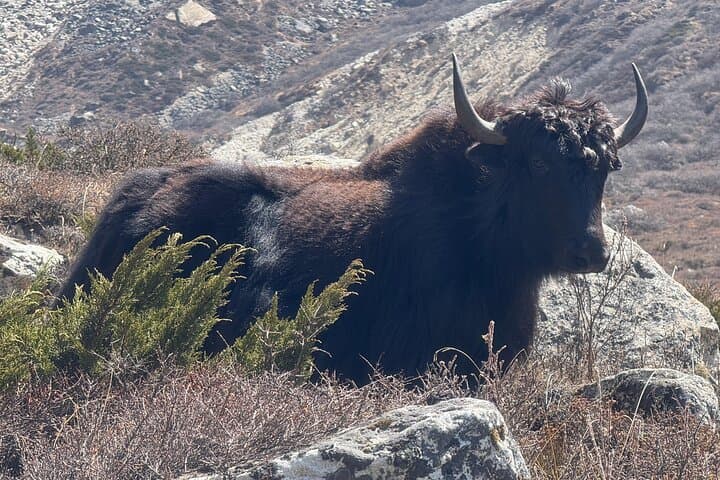
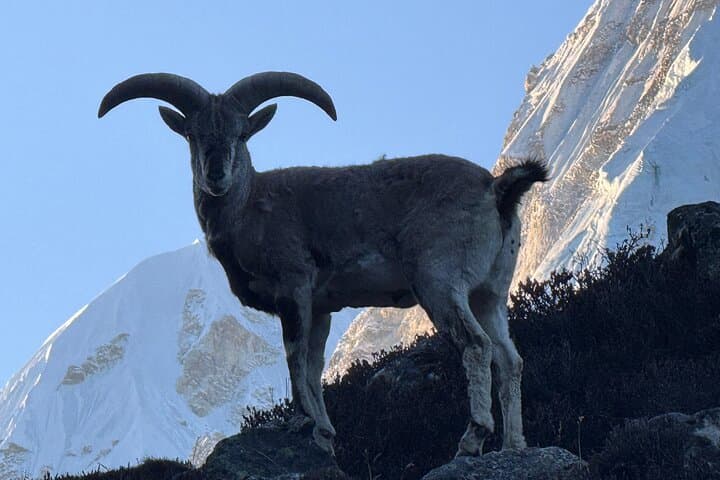
You step out of a dusty jeep at the edge of a valley and the mountain answers: a jagged wall of ice and rock filling the horizon, wind threading prayer flags into motion. The first days climb through terraced farms and Limbu hamlets, then the trail tightens into rhododendron forest and moraine—every step higher the air thins and the views sharpen.
You step out of a dusty jeep at the edge of a valley and the mountain answers: a jagged wall of ice and rock filling the horizon, wind threading prayer flags into motion. The first days climb through terraced farms and Limbu hamlets, then the trail tightens into rhododendron forest and moraine—every step higher the air thins and the views sharpen.
Geology and culture here are braided. Kanchenjunga’s massif is a product of the Indian and Eurasian plates colliding; ancient glaciers carve cirques and feed braided streams that dare you to pick a path. The area’s human history centers on Kirant and Sherpa communities who traded across high passes for centuries; monasteries and mani stones mark old routes. Wildlife is stealthy—red panda footprints in soft soil, larger predators only occasionally seen in protected zones.
Practical guidance: this is a long, remote, high-altitude trek—expect 18–22 days on trail with sustained sections above 3,500–4,200 m. Lodges and tea-houses are basic; bring layered insulation, a reliable sleeping system and a headlamp. Acclimatize with rest days at Tseram and Ramche; hydrate, eat, and watch for headaches or breathlessness. Weather shifts fast—clear mornings can turn to wind-swept afternoons. Communications are limited; guides, porters and local permits through the Kanchenjunga Conservation Area are essential.
The route rewards patience: high passes (Sele La), the Oktang viewpoints near south base camp, and the quieter northern approaches to Lhonak offer expansive, uncrowded Himalayan panoramas. Plan extra days for flexibility and respect local customs—remove footwear before entering lodges and ask before photographing elders.