THE ADVENTURE COLLECTIVE® · Independent discovery and booking for outdoor travel

A remote, multi-day trek into Nepal’s far eastern ranges, the Kanchenjunga Base Camp route follows rhododendron forests, high passes and glacial basins to Pang Pema. Expect long days, dramatic ridgelines, and strong cultural encounters in small mountain villages.
A remote, multi-day trek into Nepal’s far eastern ranges, the Kanchenjunga Base Camp route follows rhododendron forests, high passes and glacial basins to Pang Pema. Expect long days, dramatic ridgelines, and strong cultural encounters in small mountain villages.
The trail opens with a rush of rice terraces and village life before the forest swallows the sound of human traffic. By the time you reach the rhododendron slopes, the mountains begin to assert themselves: Kanchenjunga’s ridges lift like a folded wall, glaciers feeding streams that dare you to keep step. Dawn at Pang Pema trims the snow ridges in hard light and the air feels sharp enough to sharpen resolve.
Verified experiences and guided adventures in the surrounding area.
Operated by Mount Advenutre Holidays · Taplejung, Koshi Province
The trail opens with a rush of rice terraces and village life before the forest swallows the sound of human traffic. By the time you reach the rhododendron slopes, the mountains begin to assert themselves: Kanchenjunga’s ridges lift like a folded wall, glaciers feeding streams that dare you to keep step. Dawn at Pang Pema trims the snow ridges in hard light and the air feels sharp enough to sharpen resolve.
This trek threads Taplejung district history — Limbu and Sherpa villages that have long read the mountains as both provider and protector. Geologically, the route crosses uplifted sedimentary beds and moraines left by receding ice; Mirgin-La (≈4,725 m) is a high saddle that signals a transition from wooded valleys to alpine basins and the Lhonak Glacier approaches near base camp. Local culture is practical and hospitable: tea houses, communal meals, and a steady flow of porter tracks.
Expect long days on narrow trails, stream crossings, and altitude gains that reward patience with panoramic views of Yalungkang, Jannu, Makalu, Lhotse and even Everest on clear days. The operator provides permits, internal flights to Taplejung, and basic teahouse lodging en route, but you’ll be self-reliant on gear and pacing.
Practical guidance: build a multi-week plan allowing 15–18 days for gradual acclimatization, carry layered insulation for cold winds, and prioritize hydration and slow ascent. Respect local rules and pack out waste—these ridgelines recover slowly. If you want solitude, aim for shoulder seasons and be ready for weather that can change on a single ridge.
challenging.
15–18 days.
Good aerobic base and experience with multi-day backpacking at altitude; able to hike 6–8 hours daily with a moderate pack.
Yes; you need a Kanchenjunga Conservation Area permit and TIMS. Operators typically arrange these before the trek as part of the package.
Late spring (April–May) and autumn (October–November) offer the most stable weather and rhododendron blooms in spring; shoulder seasons provide fewer crowds but more variable conditions.
No technical climbing equipment is required for the standard route to Pang Pema, but trekkers must be comfortable on exposed high-altitude trails and moraine fields.
Most itineraries include a domestic flight Kathmandu–Bhadrapur or Kathmandu–Bhiratgachh and a short connection to Taplejung; Explore Treks typically handles surface transport to trailheads.
Kanchenjunga’s slopes are home to Limbu and Sherpa communities; the mountain’s name—‘Five Treasures of Snow’—reflects local reverence and a long history of pastoral and pilgrimage routes.
The Kanchenjunga Conservation Area governs permits and community-based conservation; trekkers should follow leave-no-trace practices and use local lodges to support village economies.
Mount Advenutre Holidays operates guided outdoor trips and adventures with an emphasis on safety, stewardship, and memorable experiences.
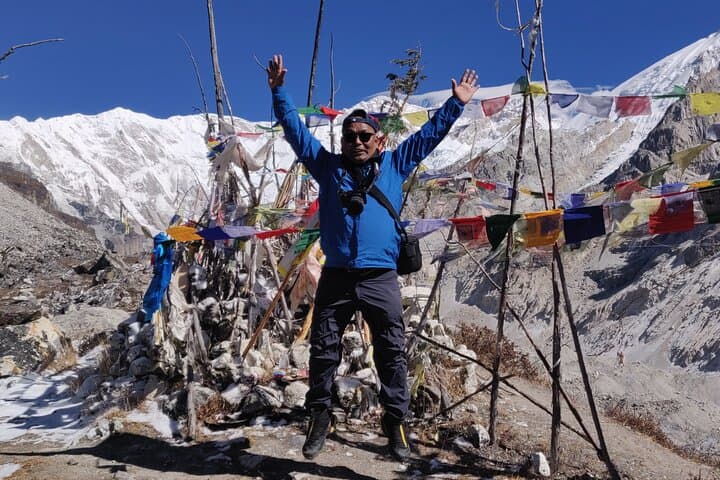
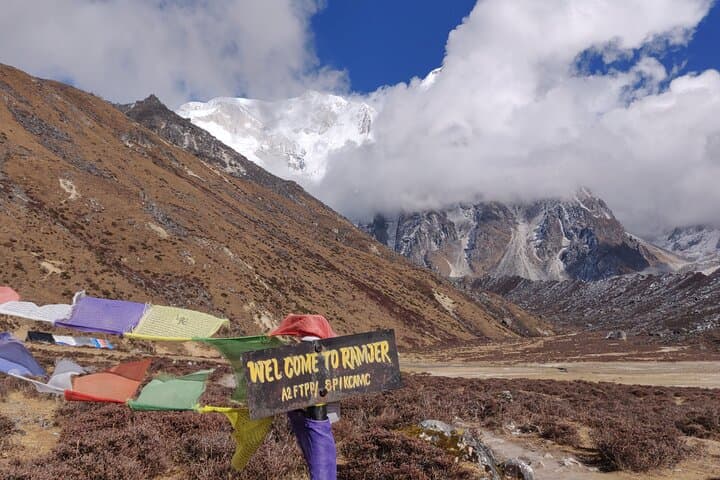
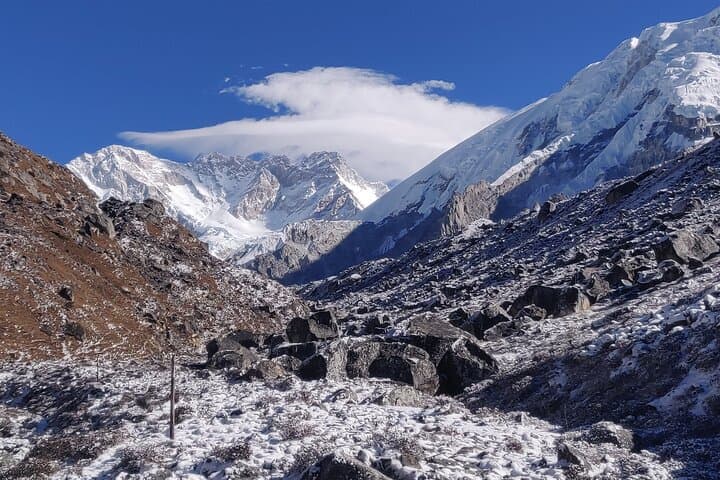
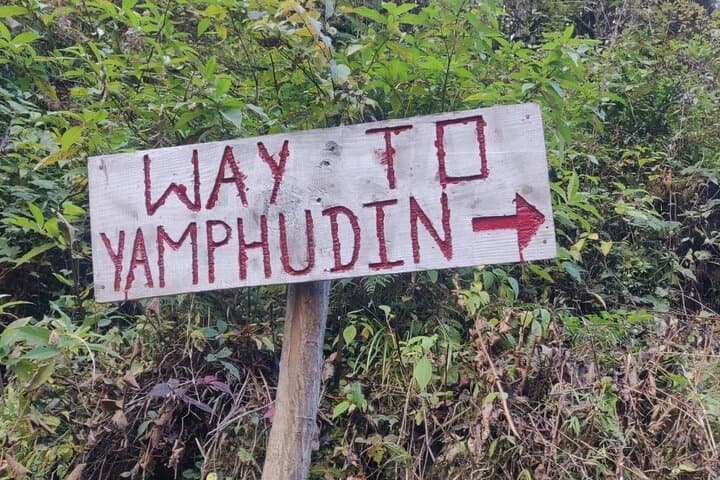
The trail opens with a rush of rice terraces and village life before the forest swallows the sound of human traffic. By the time you reach the rhododendron slopes, the mountains begin to assert themselves: Kanchenjunga’s ridges lift like a folded wall, glaciers feeding streams that dare you to keep step. Dawn at Pang Pema trims the snow ridges in hard light and the air feels sharp enough to sharpen resolve.
The trail opens with a rush of rice terraces and village life before the forest swallows the sound of human traffic. By the time you reach the rhododendron slopes, the mountains begin to assert themselves: Kanchenjunga’s ridges lift like a folded wall, glaciers feeding streams that dare you to keep step. Dawn at Pang Pema trims the snow ridges in hard light and the air feels sharp enough to sharpen resolve.
This trek threads Taplejung district history — Limbu and Sherpa villages that have long read the mountains as both provider and protector. Geologically, the route crosses uplifted sedimentary beds and moraines left by receding ice; Mirgin-La (≈4,725 m) is a high saddle that signals a transition from wooded valleys to alpine basins and the Lhonak Glacier approaches near base camp. Local culture is practical and hospitable: tea houses, communal meals, and a steady flow of porter tracks.
Expect long days on narrow trails, stream crossings, and altitude gains that reward patience with panoramic views of Yalungkang, Jannu, Makalu, Lhotse and even Everest on clear days. The operator provides permits, internal flights to Taplejung, and basic teahouse lodging en route, but you’ll be self-reliant on gear and pacing.
Practical guidance: build a multi-week plan allowing 15–18 days for gradual acclimatization, carry layered insulation for cold winds, and prioritize hydration and slow ascent. Respect local rules and pack out waste—these ridgelines recover slowly. If you want solitude, aim for shoulder seasons and be ready for weather that can change on a single ridge.