THE ADVENTURE COLLECTIVE® · Independent discovery and booking for outdoor travel

A remote 17-day trek from Kathmandu into the Kanchenjunga Conservation Area that crosses three high passes and visits traditional Limbu and Sherpa villages. Expect long days, basic teahouse lodging and outstanding, uncrowded mountain vistas.
A remote 17-day trek from Kathmandu into the Kanchenjunga Conservation Area that crosses three high passes and visits traditional Limbu and Sherpa villages. Expect long days, basic teahouse lodging and outstanding, uncrowded mountain vistas.
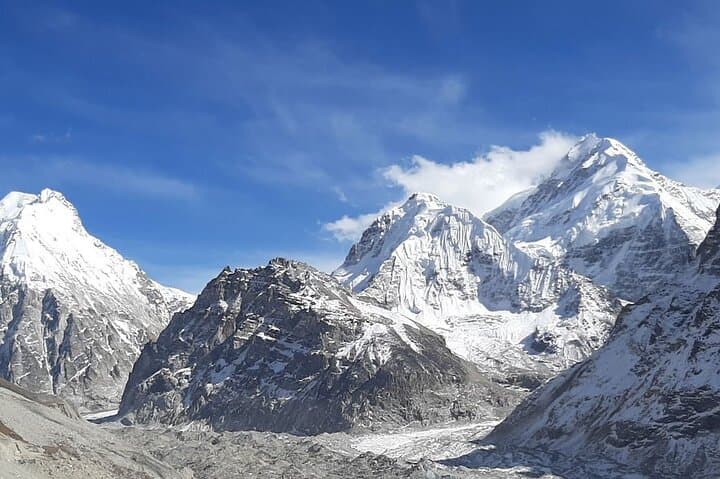
You step off the small domestic flight and the air narrows, sharpening the sound of river and prayer flags. From Taplejung the road gives way to suspension bridges and terraced fields; the first days wind through subtropical forest, then through rhododendron and bamboo until alpine meadows open and Kanchenjunga’s serrated ridgeline fills the sky.
Verified experiences and guided adventures in the surrounding area.
Operated by CAN Travels · Taplejung, Province No. 1 (Koshi Province)
You step off the small domestic flight and the air narrows, sharpening the sound of river and prayer flags. From Taplejung the road gives way to suspension bridges and terraced fields; the first days wind through subtropical forest, then through rhododendron and bamboo until alpine meadows open and Kanchenjunga’s serrated ridgeline fills the sky.
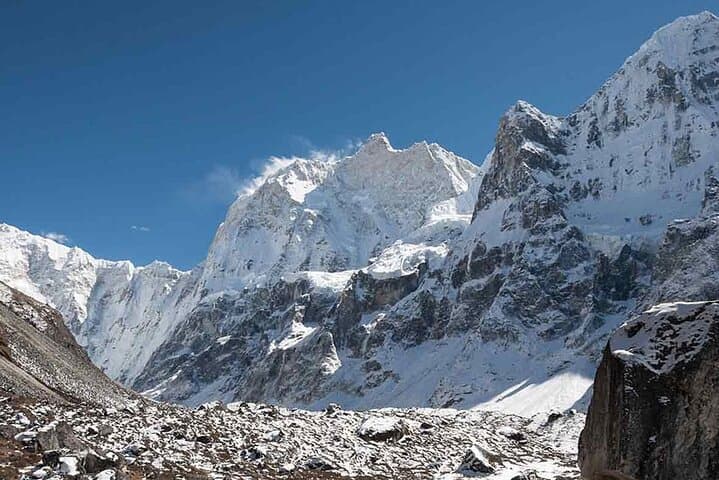
This trek follows traditional trade paths through the Kanchenjunga Conservation Area, an officially protected zone created to safeguard rare flora and the cultural heritage of Limbu, Sherpa and other mountain communities. Geologically the route traces young Himalayan uplifts: moraine-strewn valleys, glacial cirques, and high passes like Sele La (4,290 m) that reveal rock faces and blue-ice tongues of the massif.
Villages such as Lelep, Ghunsa and Kambachen are living waypoints—monasteries, mani walls and yak pastures that reflect centuries of trans-Himalayan exchange. Conservation efforts here emphasize community-run lodges, regulated permits and wildlife monitoring.
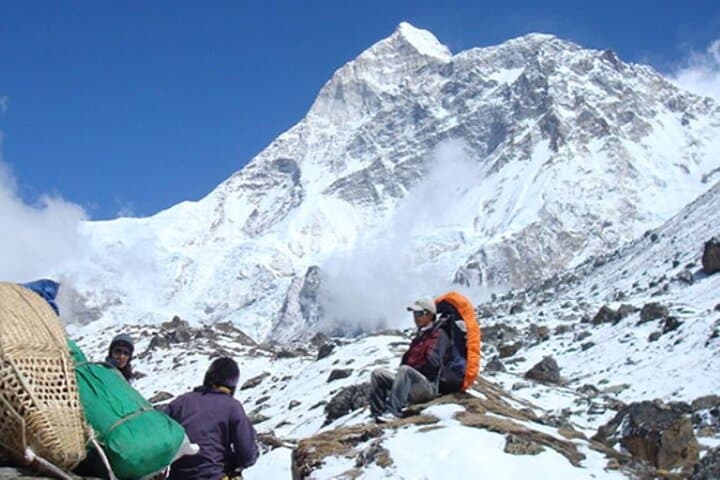
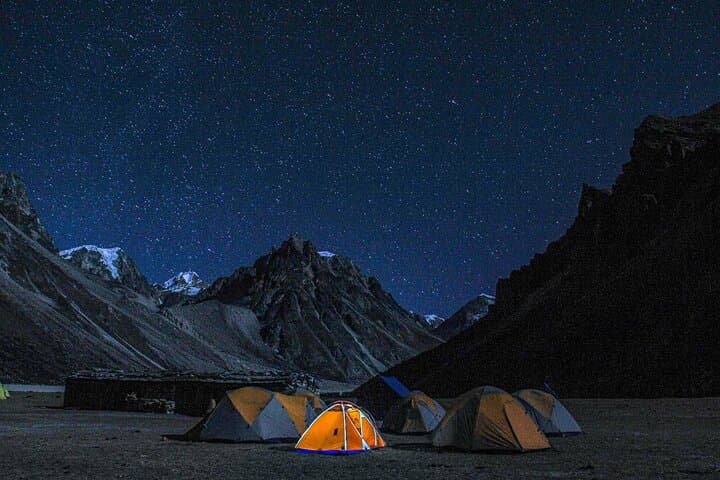
Practically, expect 6–8 hours of walking on many days, intermittent rocky sections and three major passes; acclimatization days at Ghunsa and Kambachen are built into the itinerary for safety. Teahouses provide simple meals and beds; water should be treated and evening temperatures can fall well below freezing above 4,000 m. Pack layered insulation, a reliable sleeping system, and a guide familiar with local routes and permit procedures. Allow extra days in Kathmandu for travel contingencies and budget for porter support if you want to move faster. The trail rewards endurance with close-up views of Jannu, Yalung Kang and the vast northern face of Kanchenjunga—a hard route, but one of the most secluded high-altitude treks in the Himalaya.
difficult.
17 days.
Requires excellent cardiovascular fitness and multi-day endurance; prior multi-day high-altitude trekking experience strongly recommended
Yes—trekkers need Kanchenjunga Conservation Area permits and TIMS; these are usually arranged by your operator before you enter the protected zone.
Passes like Sele La (4,290 m) are steep with scree and exposed sections—good fitness and sure-footedness are required and weather can make crossings slow.
Basic teahouses and guesthouses provide simple meals and communal rooms; sleeping pads and hot water are limited at higher elevations.
Spring (April–May) and autumn (late September–November) offer the most stable weather and clearer views, though shoulder seasons require flexibility.
The Kanchenjunga region has long been a crossroads of Tibetan and Nepali culture; the conservation area combines biodiversity protection with village-based tourism managed by local communities.
Trekking here supports community conservation programs; follow Leave No Trace, use registered guides, and minimize single-use plastics to reduce impact.
CAN Travels operates guided outdoor trips and adventures with an emphasis on safety, stewardship, and memorable experiences.
You step off the small domestic flight and the air narrows, sharpening the sound of river and prayer flags. From Taplejung the road gives way to suspension bridges and terraced fields; the first days wind through subtropical forest, then through rhododendron and bamboo until alpine meadows open and Kanchenjunga’s serrated ridgeline fills the sky.
You step off the small domestic flight and the air narrows, sharpening the sound of river and prayer flags. From Taplejung the road gives way to suspension bridges and terraced fields; the first days wind through subtropical forest, then through rhododendron and bamboo until alpine meadows open and Kanchenjunga’s serrated ridgeline fills the sky.
This trek follows traditional trade paths through the Kanchenjunga Conservation Area, an officially protected zone created to safeguard rare flora and the cultural heritage of Limbu, Sherpa and other mountain communities. Geologically the route traces young Himalayan uplifts: moraine-strewn valleys, glacial cirques, and high passes like Sele La (4,290 m) that reveal rock faces and blue-ice tongues of the massif.
Villages such as Lelep, Ghunsa and Kambachen are living waypoints—monasteries, mani walls and yak pastures that reflect centuries of trans-Himalayan exchange. Conservation efforts here emphasize community-run lodges, regulated permits and wildlife monitoring.
Practically, expect 6–8 hours of walking on many days, intermittent rocky sections and three major passes; acclimatization days at Ghunsa and Kambachen are built into the itinerary for safety. Teahouses provide simple meals and beds; water should be treated and evening temperatures can fall well below freezing above 4,000 m. Pack layered insulation, a reliable sleeping system, and a guide familiar with local routes and permit procedures. Allow extra days in Kathmandu for travel contingencies and budget for porter support if you want to move faster. The trail rewards endurance with close-up views of Jannu, Yalung Kang and the vast northern face of Kanchenjunga—a hard route, but one of the most secluded high-altitude treks in the Himalaya.