THE ADVENTURE COLLECTIVE® · Independent discovery and booking for outdoor travel

Spend an hour stepping into traditional dress and the slow rhythms of Higashi Chaya Street. This kimono rental and walking plan combines quick, professional dressing with immediate access to Kanazawa’s historic tea-house quarter.
Spend an hour stepping into traditional dress and the slow rhythms of Higashi Chaya Street. This kimono rental and walking plan combines quick, professional dressing with immediate access to Kanazawa’s historic tea-house quarter.
Morning light slants through wooden lattices as you step out of a small kimono shop onto Higashi Chaya Street—silence punctuated by wooden sandals and the distant ripple of the Asano River. The Kanazawa kimono walking plan pairs a compact, hands-on dressing service with an immediate introduction to one of the city's best-preserved historical quarters.
Verified experiences and guided adventures in the surrounding area.
Operated by 着物レンタル椿 · Kanazawa, Ishikawa
Morning light slants through wooden lattices as you step out of a small kimono shop onto Higashi Chaya Street—silence punctuated by wooden sandals and the distant ripple of the Asano River. The Kanazawa kimono walking plan pairs a compact, hands-on dressing service with an immediate introduction to one of the city's best-preserved historical quarters.
Kanazawa grew wealthy in the Edo era as a castle town and tea-house culture flourished; the kimonos you choose reflect decades of textile craft, from simple everyday cotton to glossy, formal silks. The district’s architecture—earthen walls, narrow lanes, and low eaves—frames the kimono the way a gallery frames a painting. Geology matters here too: the soft, alluvial plains of Ishikawa shaped the city layout and fed the rice and silk trades that sustained local dyeing and weaving.
This plan is practical: expect a 30–60 minute dressing process, all accessories included, with optional hair setting. You’ll walk easily paced streets, cross small bridges, and find tearooms and samurai lanes nearby. Cultural etiquette matters—modest movement, removing shoes where required, and mindful photos of working establishments.
Practical guidance: book ahead on busy weekends, bring tabi socks if you have them (or ask the shop), and plan a short loop so you’re not rushed back for undressing. In summer, fabrics trap heat—choose lighter weaves and hydrate. The experience is low-impact but richly sensory: fabric, scent of wood, the city gently urging you forward.
easy.
30–60 minutes.
Suitable for all fitness levels; requires basic mobility to stand and walk short distances in traditional footwear.
The full process typically takes 30–60 minutes depending on options like hair setting; the shop estimates about one hour overall.
Yes—most shops accept larger luggage for storage (small fee may apply) so you can walk unencumbered.
Shops carry a broad range of kimono sizes and will adjust fittings; they collect height and weight during booking to prepare options.
It’s possible in summer, but choose lightweight fabrics or shorter rental times and stay hydrated; some travelers skip hair styling to reduce heat exposure.
Kanazawa’s chaya districts grew under the Maeda clan during the Edo period; tea-houses and textile trades like silk dyeing made kimonos a local craft.
Respectful use of historic streets is crucial—stick to paved paths, avoid sitting on fragile wooden eaves, and support local shops rather than commercial chains.
着物レンタル椿 operates guided outdoor trips and adventures with an emphasis on safety, stewardship, and memorable experiences.



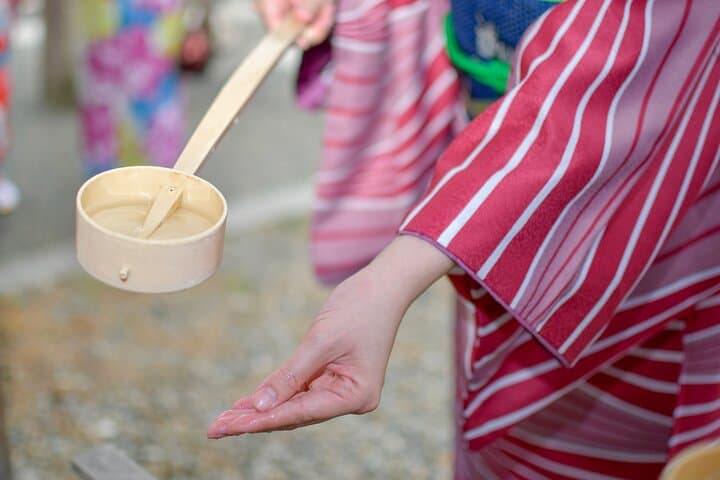
Morning light slants through wooden lattices as you step out of a small kimono shop onto Higashi Chaya Street—silence punctuated by wooden sandals and the distant ripple of the Asano River. The Kanazawa kimono walking plan pairs a compact, hands-on dressing service with an immediate introduction to one of the city's best-preserved historical quarters.
Morning light slants through wooden lattices as you step out of a small kimono shop onto Higashi Chaya Street—silence punctuated by wooden sandals and the distant ripple of the Asano River. The Kanazawa kimono walking plan pairs a compact, hands-on dressing service with an immediate introduction to one of the city's best-preserved historical quarters.
Kanazawa grew wealthy in the Edo era as a castle town and tea-house culture flourished; the kimonos you choose reflect decades of textile craft, from simple everyday cotton to glossy, formal silks. The district’s architecture—earthen walls, narrow lanes, and low eaves—frames the kimono the way a gallery frames a painting. Geology matters here too: the soft, alluvial plains of Ishikawa shaped the city layout and fed the rice and silk trades that sustained local dyeing and weaving.
This plan is practical: expect a 30–60 minute dressing process, all accessories included, with optional hair setting. You’ll walk easily paced streets, cross small bridges, and find tearooms and samurai lanes nearby. Cultural etiquette matters—modest movement, removing shoes where required, and mindful photos of working establishments.
Practical guidance: book ahead on busy weekends, bring tabi socks if you have them (or ask the shop), and plan a short loop so you’re not rushed back for undressing. In summer, fabrics trap heat—choose lighter weaves and hydrate. The experience is low-impact but richly sensory: fabric, scent of wood, the city gently urging you forward.