THE ADVENTURE COLLECTIVE® · Independent discovery and booking for outdoor travel

Step into a dojo in Kanazawa to learn kendo basics, try on traditional hakama, and witness a kata showcase led by a formally trained instructor. This structured 90–120 minute session blends physical drills with cultural etiquette for beginners and families.
Step into a dojo in Kanazawa to learn kendo basics, try on traditional hakama, and witness a kata showcase led by a formally trained instructor. This structured 90–120 minute session blends physical drills with cultural etiquette for beginners and families.
The wooden floor tastes of footwork and the first crack of a shinai cuts the hush—this is the entry point to Kanazawa’s Samurai Experience. In a compact dojo near the city’s old districts you trade camera clicks for measured bows, sliding into a sashiko top and hakama beneath the watchful eye of a formally trained instructor.
Verified experiences and guided adventures in the surrounding area.
Operated by Beauty of Japan · Kanazawa, Ishikawa Prefecture
The wooden floor tastes of footwork and the first crack of a shinai cuts the hush—this is the entry point to Kanazawa’s Samurai Experience. In a compact dojo near the city’s old districts you trade camera clicks for measured bows, sliding into a sashiko top and hakama beneath the watchful eye of a formally trained instructor.
Kendo grew from kenjutsu schools that trained samurai across the Edo period; by the Meiji era the practice evolved into a disciplined sport that preserves ritual, etiquette, and technique. Kanazawa itself—once the seat of the Maeda clan—keeps samurai culture visible in preserved neighborhoods and castle grounds, where the clipped cadence of a shinai echoes historic rhythms.
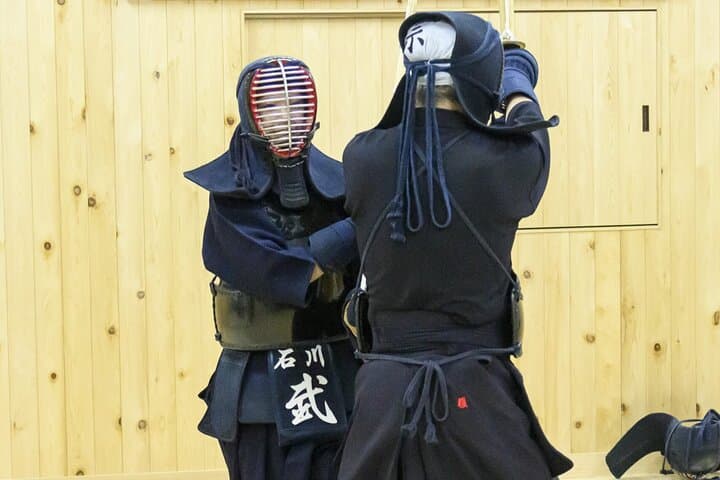
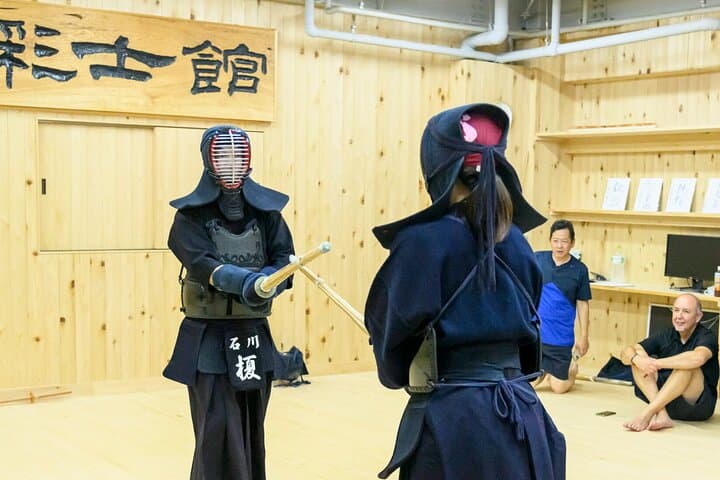
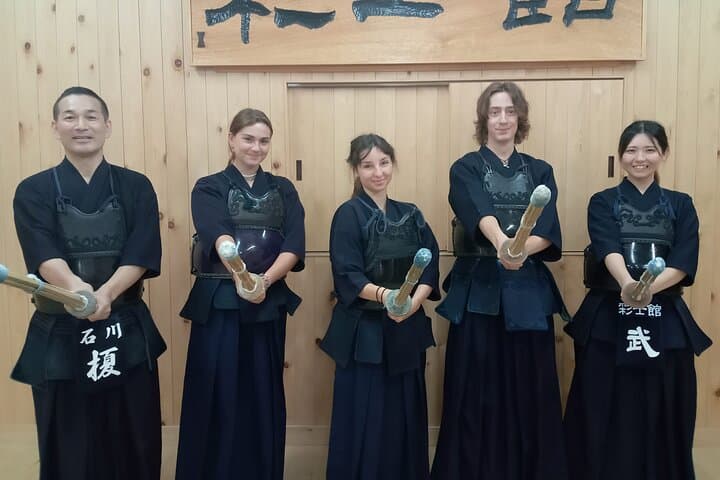
Expect a 90-minute core session of footwork drills, basic strikes (men, kote, do), and stance work, followed by a short kata showcase, time to try on protective gear, and a commemorative photo—total booking time is about 120 minutes. The pace is deliberate: instructions in bowing and posture, then repetition that trains both body and attention.
Practical notes: wear flexible clothing (the outfit is provided), arrive 10–15 minutes early to change and warm up, and prepare to be on your feet and moving briskly. The class suits families and beginners but asks for moderate fitness—quick feet and core balance help. Hydrate beforehand, follow the instructor’s safety cues, and treat shared gear respectfully. This is as much cultural etiquette as physical training: leave with a clearer sense of the samurai mind as well as cleaner, tighter footwork.
moderate.
1.5–2 hours.
Moderate: comfortable standing, light cardio and quick footwork for up to 90 minutes
No—this workshop is designed for beginners and focuses on basic stances, strikes, and etiquette with step-by-step instruction.
Wear flexible, modest clothing; traditional sashiko top and hakama are provided for the experience.
Yes—families are welcome, but children should have moderate fitness and be able to follow safety instructions.
Photography is usually allowed during the final photo segment; during active practice you should follow the instructor’s guidance to avoid distractions.
Kanazawa was ruled by the Maeda clan during the Edo period; samurai culture remains visible in preserved districts and castle grounds that frame the city’s martial legacy.
Dojo operators typically emphasize respectful handling and cleaning of shared attire; visitors should follow hygiene and waste rules in historic neighborhoods to reduce wear on cultural sites.
Beauty of Japan operates guided outdoor trips and adventures with an emphasis on safety, stewardship, and memorable experiences.

The wooden floor tastes of footwork and the first crack of a shinai cuts the hush—this is the entry point to Kanazawa’s Samurai Experience. In a compact dojo near the city’s old districts you trade camera clicks for measured bows, sliding into a sashiko top and hakama beneath the watchful eye of a formally trained instructor.
The wooden floor tastes of footwork and the first crack of a shinai cuts the hush—this is the entry point to Kanazawa’s Samurai Experience. In a compact dojo near the city’s old districts you trade camera clicks for measured bows, sliding into a sashiko top and hakama beneath the watchful eye of a formally trained instructor.
Kendo grew from kenjutsu schools that trained samurai across the Edo period; by the Meiji era the practice evolved into a disciplined sport that preserves ritual, etiquette, and technique. Kanazawa itself—once the seat of the Maeda clan—keeps samurai culture visible in preserved neighborhoods and castle grounds, where the clipped cadence of a shinai echoes historic rhythms.
Expect a 90-minute core session of footwork drills, basic strikes (men, kote, do), and stance work, followed by a short kata showcase, time to try on protective gear, and a commemorative photo—total booking time is about 120 minutes. The pace is deliberate: instructions in bowing and posture, then repetition that trains both body and attention.
Practical notes: wear flexible clothing (the outfit is provided), arrive 10–15 minutes early to change and warm up, and prepare to be on your feet and moving briskly. The class suits families and beginners but asks for moderate fitness—quick feet and core balance help. Hydrate beforehand, follow the instructor’s safety cues, and treat shared gear respectfully. This is as much cultural etiquette as physical training: leave with a clearer sense of the samurai mind as well as cleaner, tighter footwork.