THE ADVENTURE COLLECTIVE® · Independent discovery and booking for outdoor travel

Explore Kenrokuen, Gyokusen-en and samurai residences on a private four-hour walking tour through Kanazawa’s historic gardens. This guided route combines Edo-period history, crafted landscapes, and practical tips for timing, etiquette, and what to pack.
Explore Kenrokuen, Gyokusen-en and samurai residences on a private four-hour walking tour through Kanazawa’s historic gardens. This guided route combines Edo-period history, crafted landscapes, and practical tips for timing, etiquette, and what to pack.
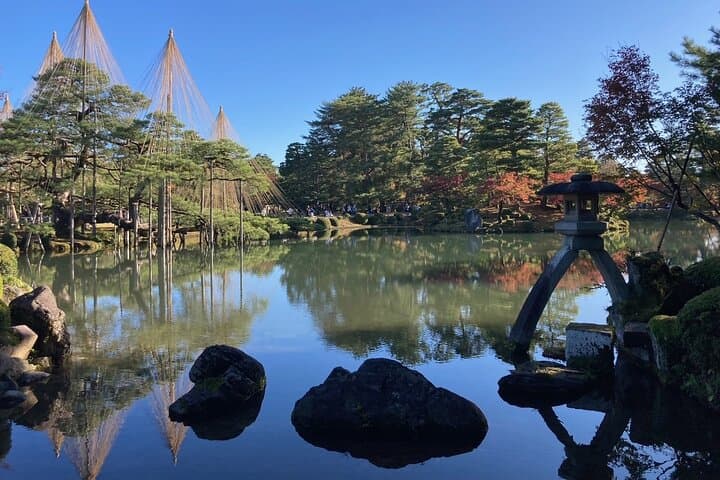
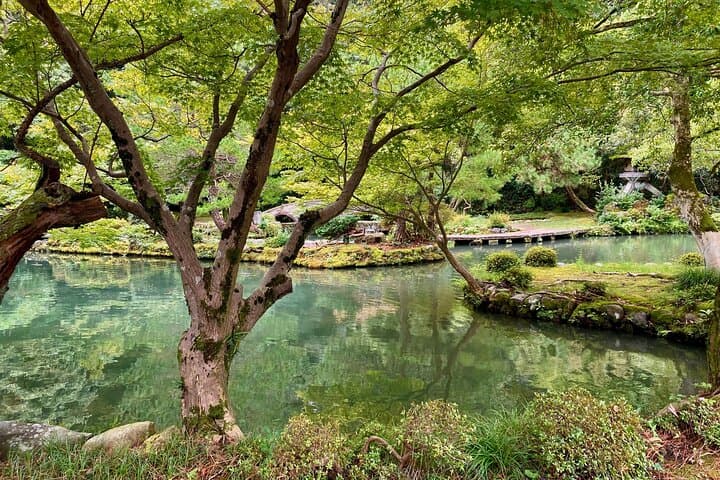
Morning light slips across raked gravel and pond glass as you step into Kanazawa’s garden quarter — a compact world where stone lanterns seem to hold council and maples shift color with the breeze.
Verified experiences and guided adventures in the surrounding area.
Operated by Lucy · Kanazawa, Ishikawa
Morning light slips across raked gravel and pond glass as you step into Kanazawa’s garden quarter — a compact world where stone lanterns seem to hold council and maples shift color with the breeze.
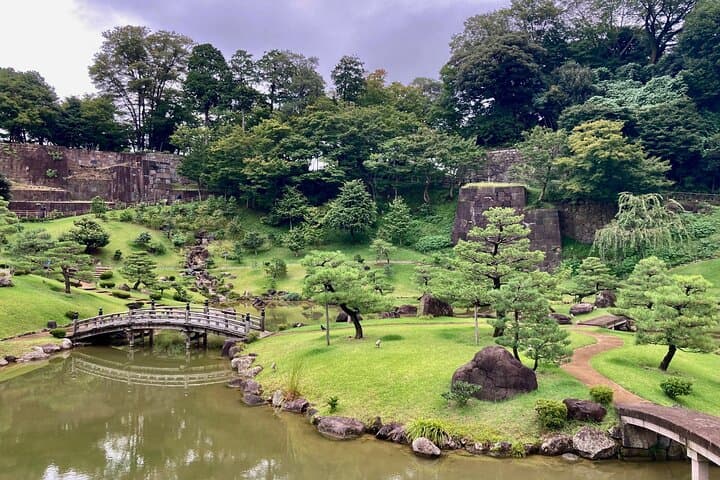
The four-hour private walking tour threads Kenrokuen, Gyokusen-en, Nomura Family House and the samurai district, giving you time to read the landscape rather than just pass through it. Kenrokuen, created by the Maeda clan, is one of Japan’s celebrated strolling gardens; its ponds, teahouses and carefully placed pines reflect Edo-period aesthetics and an ongoing craft tradition that made Kanazawa a cultural center between the Alps and the Sea of Japan.
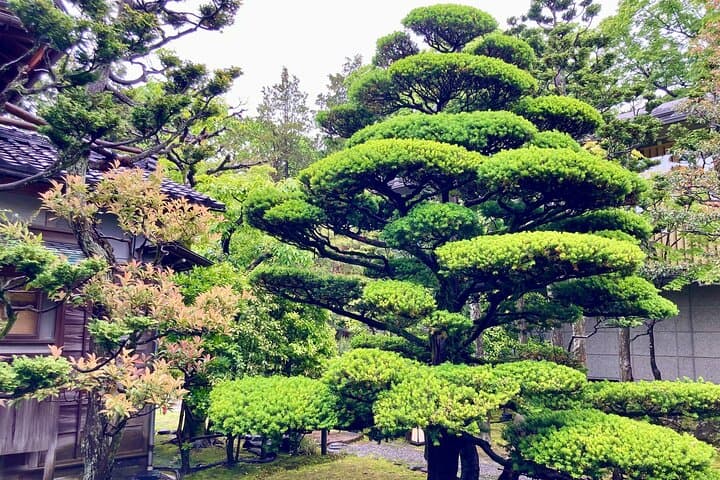
Geology and climate shape the gardens: Akamatsu pines and sculpted stones echo the region’s volcanic and marine influences, while seasonal plantings—plum, cherry, azalea, and Acer—drive the visual rhythm through spring to winter. Cultural notes include the Nomura samurai house, where architecture and private gardens reveal domestic life under feudal rule, and the small D.T. Suzuki Museum garden, a quiet counterpoint for reflection.
Practical guidance: start early to avoid crowds and to see koi active in the ponds; bring cash for small admissions and tea houses; wear grippy, comfortable shoes for mixed paved and gravel paths. The pace is gentle but expect 2–3 miles of walking with short standing talks. Respect garden etiquette—stay on paths, keep voices low, and don’t feed wildlife—to leave these carefully tended places as you found them.
easy.
4 hours.
Suitable for most fitness levels; expect several short uphill steps and 2–3 miles of walking at a relaxed pace
Admission fees for public gardens and museums are typically not included—your booking confirms the guided service; check listing details for any exceptions.
Guides for this tour are available in English, French and German as listed in inclusions.
The tour meets at a central point near Kanazawa Station or a prearranged public meeting spot; public transport options are nearby and private pickup is not included unless arranged in advance.
The route is rated easy and suitable for children, but some sites have uneven paths or steps—contact the operator ahead of time to discuss accessibility needs.
Kanazawa rose to prominence under the Maeda clan during the Edo period, developing a rich arts-and-crafts culture that shaped its gardens and samurai district.
Gardens are actively managed cultural landscapes—stick to paths, avoid feeding wildlife, and support local conservation by following signage and using provided trash receptacles.
Lucy operates guided outdoor trips and adventures with an emphasis on safety, stewardship, and memorable experiences.
Morning light slips across raked gravel and pond glass as you step into Kanazawa’s garden quarter — a compact world where stone lanterns seem to hold council and maples shift color with the breeze.
Morning light slips across raked gravel and pond glass as you step into Kanazawa’s garden quarter — a compact world where stone lanterns seem to hold council and maples shift color with the breeze.
The four-hour private walking tour threads Kenrokuen, Gyokusen-en, Nomura Family House and the samurai district, giving you time to read the landscape rather than just pass through it. Kenrokuen, created by the Maeda clan, is one of Japan’s celebrated strolling gardens; its ponds, teahouses and carefully placed pines reflect Edo-period aesthetics and an ongoing craft tradition that made Kanazawa a cultural center between the Alps and the Sea of Japan.
Geology and climate shape the gardens: Akamatsu pines and sculpted stones echo the region’s volcanic and marine influences, while seasonal plantings—plum, cherry, azalea, and Acer—drive the visual rhythm through spring to winter. Cultural notes include the Nomura samurai house, where architecture and private gardens reveal domestic life under feudal rule, and the small D.T. Suzuki Museum garden, a quiet counterpoint for reflection.
Practical guidance: start early to avoid crowds and to see koi active in the ponds; bring cash for small admissions and tea houses; wear grippy, comfortable shoes for mixed paved and gravel paths. The pace is gentle but expect 2–3 miles of walking with short standing talks. Respect garden etiquette—stay on paths, keep voices low, and don’t feed wildlife—to leave these carefully tended places as you found them.