THE ADVENTURE COLLECTIVE® · Independent discovery and booking for outdoor travel

Spend a full day from Kanazawa visiting Shirayama Hime Shrine, the dramatic Tedori Gorge, the Hakusan White Road, and the UNESCO village of Shirakawa‑go. This guided loop combines geology, living tradition, and high‑mountain views into one accessible day trip.
Spend a full day from Kanazawa visiting Shirayama Hime Shrine, the dramatic Tedori Gorge, the Hakusan White Road, and the UNESCO village of Shirakawa‑go. This guided loop combines geology, living tradition, and high‑mountain views into one accessible day trip.
Morning light at Kanazawa Station feels purposeful — a city sending you into mountains and memory. By midmorning the bus climbs away from coastal plains, rice paddies folding into ridgelines, and the air sharpens toward Mt. Haku. The day threads three distinct landscapes: the calm ritual at Shirayama Hime Shrine, the rugged cut of Tedori Gorge, and the high-country drive called the White Road that spills you into the gassho houses of Shirakawa‑go.
Verified experiences and guided adventures in the surrounding area.
Operated by Snow Monkey Resorts Tours (Machinovate Japan Ltd.) · Shirakawa-go, Gifu Prefecture
Morning light at Kanazawa Station feels purposeful — a city sending you into mountains and memory. By midmorning the bus climbs away from coastal plains, rice paddies folding into ridgelines, and the air sharpens toward Mt. Haku. The day threads three distinct landscapes: the calm ritual at Shirayama Hime Shrine, the rugged cut of Tedori Gorge, and the high-country drive called the White Road that spills you into the gassho houses of Shirakawa‑go.
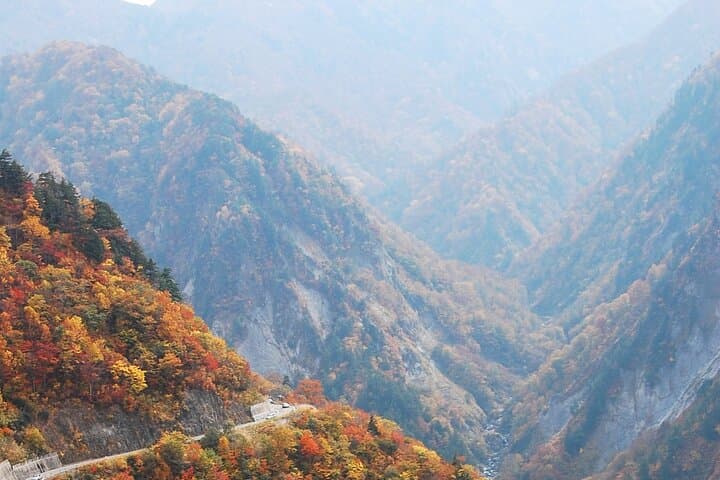
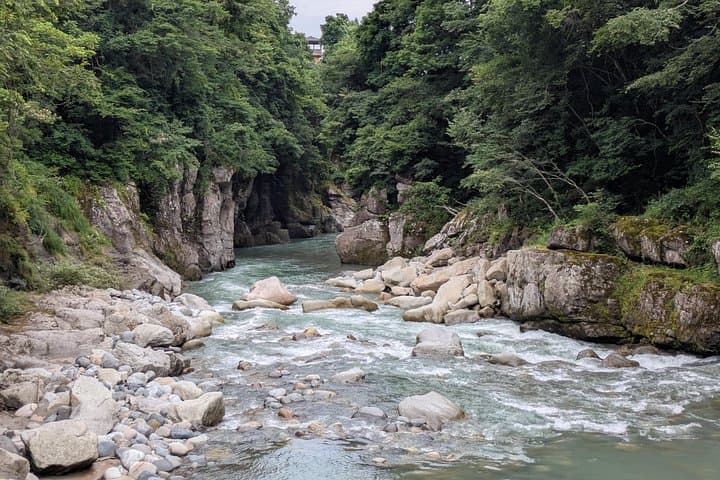
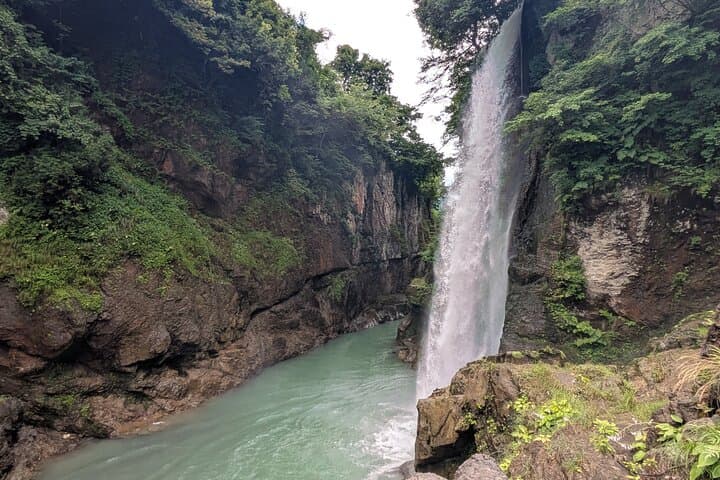
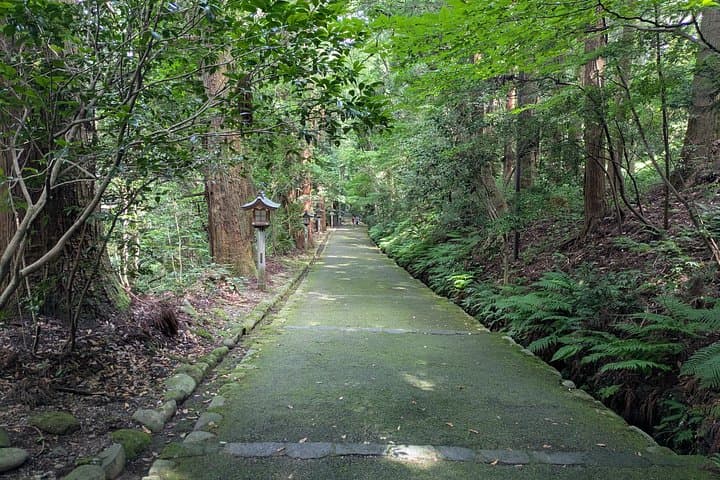
Shirayama Hime Shrine has been a focal point of worship for roughly 2,100 years, the start of pilgrimages to sacred Mt. Haku; its cedar path and sacred spring feel quietly authoritative. Tedori Gorge exposes volcanic and fluvial work from over 20 million years ago — steep banks, a waterfall you can approach after 120 stone steps, or admire from above as the river dares you with its current. The White Road climbs through narrow, switchbacked lanes with views that open and close fast; keep an eye out for Japanese macaques along the roadside after rain.
Shirakawa‑go’s gassho‑zukuri farmhouses — some three centuries old — speak to a valley culture adapted to heavy snow and communal life. Museums and short walks offer context; souvenir stalls sell handcrafted miso and soba. Practical notes: expect light walking and stairs, narrow mountain roads, a lunch stop at a rest area, and pockets of steep footing in the village. Bring layered outerwear, cash for small museums and snacks, and sturdy shoes for uneven alleys. This is a full 9‑hour day that pairs geology, living tradition, and high‑country vistas into a single, practical loop.
easy.
9 hours.
Suitable for most fitness levels; involves short walks, uneven surfaces, and one set of ~120 steps.
The tour is approximately 9 hours (about 540 minutes) and departs from Kanazawa Station at 9:00 AM.
Yes—physical demands are light overall; infants can ride in strollers and there is limited walking, though the Tedori Gorge steps may be challenging for some.
The tour includes select admission fees such as the museum in Shirakawa‑go and access points along the White Road, as listed by the operator.
You may spot Japanese macaques (particularly after rain) and sika deer; sightings are never guaranteed and depend on season and conditions.
Shirayama Hime Shrine has been a pilgrimage start for over a millennium and Shirakawa‑go’s gassho‑zukuri farmhouses date back roughly 300+ years, reflecting communal alpine life.
Shirakawa‑go is a UNESCO site with visitor limits and preservation rules—respect pathways, avoid taking thatch samples, and support local businesses to help sustain the village.
Snow Monkey Resorts Tours (Machinovate Japan Ltd.) operates guided outdoor trips and adventures with an emphasis on safety, stewardship, and memorable experiences.
Morning light at Kanazawa Station feels purposeful — a city sending you into mountains and memory. By midmorning the bus climbs away from coastal plains, rice paddies folding into ridgelines, and the air sharpens toward Mt. Haku. The day threads three distinct landscapes: the calm ritual at Shirayama Hime Shrine, the rugged cut of Tedori Gorge, and the high-country drive called the White Road that spills you into the gassho houses of Shirakawa‑go.
Morning light at Kanazawa Station feels purposeful — a city sending you into mountains and memory. By midmorning the bus climbs away from coastal plains, rice paddies folding into ridgelines, and the air sharpens toward Mt. Haku. The day threads three distinct landscapes: the calm ritual at Shirayama Hime Shrine, the rugged cut of Tedori Gorge, and the high-country drive called the White Road that spills you into the gassho houses of Shirakawa‑go.
Shirayama Hime Shrine has been a focal point of worship for roughly 2,100 years, the start of pilgrimages to sacred Mt. Haku; its cedar path and sacred spring feel quietly authoritative. Tedori Gorge exposes volcanic and fluvial work from over 20 million years ago — steep banks, a waterfall you can approach after 120 stone steps, or admire from above as the river dares you with its current. The White Road climbs through narrow, switchbacked lanes with views that open and close fast; keep an eye out for Japanese macaques along the roadside after rain.
Shirakawa‑go’s gassho‑zukuri farmhouses — some three centuries old — speak to a valley culture adapted to heavy snow and communal life. Museums and short walks offer context; souvenir stalls sell handcrafted miso and soba. Practical notes: expect light walking and stairs, narrow mountain roads, a lunch stop at a rest area, and pockets of steep footing in the village. Bring layered outerwear, cash for small museums and snacks, and sturdy shoes for uneven alleys. This is a full 9‑hour day that pairs geology, living tradition, and high‑country vistas into a single, practical loop.