THE ADVENTURE COLLECTIVE® · Independent discovery and booking for outdoor travel

Spend a day in Kanazawa learning gold-leaf application, making wagashi sweets with matcha, and trying shuriken at the Ninja Museum. This hands-on urban tour pairs light walking with three craft workshops and stops in older chaya and temple districts.
Spend a day in Kanazawa learning gold-leaf application, making wagashi sweets with matcha, and trying shuriken at the Ninja Museum. This hands-on urban tour pairs light walking with three craft workshops and stops in older chaya and temple districts.
Morning light strips across slate roofs as you leave Kanazawa Station and fall into streets that still follow Edo-era lines. The tour threads through market stalls and quiet chaya alleys, then stops for hands-on work that connects centuries of craft to a single day.
Verified experiences and guided adventures in the surrounding area.
Operated by Snow Monkey Resorts Tours (Machinovate Japan Ltd.) · Kanazawa, Ishikawa
Morning light strips across slate roofs as you leave Kanazawa Station and fall into streets that still follow Edo-era lines. The tour threads through market stalls and quiet chaya alleys, then stops for hands-on work that connects centuries of craft to a single day.
Kanazawa grew as the Maeda clan's castle town, a center for lacquer, kimono, and the gold-leaf industry that flourished because of local craftsmanship and trade with the Sea of Japan. The city sits on reclaimed plains where rivers once braided toward the coast, which shaped its compact, walkable neighborhoods and the stone-lined ponds of Kenrokuen.
This full-day itinerary mixes light urban walking with three workshops: applying gold leaf to a small plate under expert guidance, making wagashi (traditional Japanese sweets) paired with matcha, and a playful shuriken-throwing session at the Ninja Museum. Between activities you’ll pass D.T. Suzuki’s reflective gardens, temple lanes, and the less-touristed backstreets of Higashi and Nishi Chaya districts.
Expect about 8–9 hours on your feet with several short walks between venues; surfaces include paved roads, temple steps, and workshop floors. Practical notes: bring small bills for incidental purchases, let the guide know dietary restrictions before the wagashi class, and wear comfortable shoes with a secure sole for stepping across thresholds and low curbs. Summer afternoons can be hot and humid; mornings and late afternoons are best for photos and quieter streets.
This is an accessible cultural day that pairs tactile craft with measured walking—ideal for travelers who want to learn by doing while seeing parts of Kanazawa that larger tours often miss.
easy.
8–9 hours.
Light walking throughout the day; suitable for most fitness levels but expect several hours on foot and short stair sections
Yes; activities are hands-on and appropriate for older children, but parents should confirm any age restrictions with the operator, especially for the shuriken experience.
No. The workshop is designed for beginners with instructors providing step-by-step guidance and assistance.
Expect several short walks between sites totaling light urban walking across mostly flat streets and a few temple steps; comfortable shoes are recommended.
The provider notes activities are subject to availability; indoor workshops typically continue in light rain, but confirm cancellation and refund policy when booking.
Kanazawa was the seat of the Maeda samurai clan during the Edo period and became renowned for textiles, lacquerware, and a regional gold-leaf industry that supplies craftsmen across Japan.
Historic districts are actively preserved; visitors should stick to marked paths, minimize waste, and support local artisans to help sustain traditional crafts.
Snow Monkey Resorts Tours (Machinovate Japan Ltd.) operates guided outdoor trips and adventures with an emphasis on safety, stewardship, and memorable experiences.



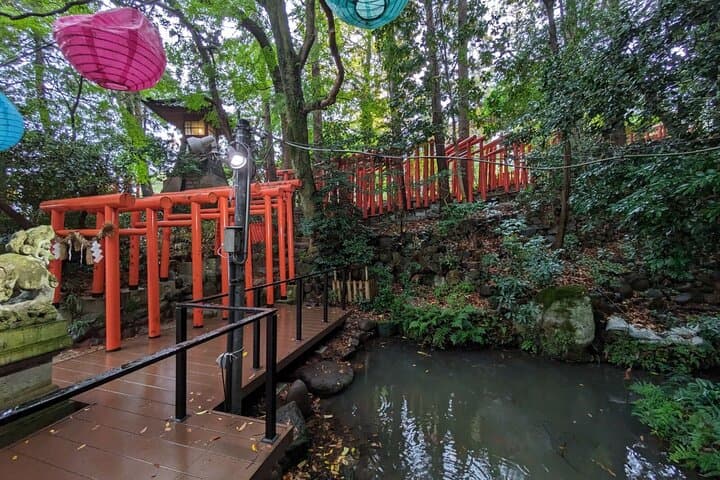
Morning light strips across slate roofs as you leave Kanazawa Station and fall into streets that still follow Edo-era lines. The tour threads through market stalls and quiet chaya alleys, then stops for hands-on work that connects centuries of craft to a single day.
Morning light strips across slate roofs as you leave Kanazawa Station and fall into streets that still follow Edo-era lines. The tour threads through market stalls and quiet chaya alleys, then stops for hands-on work that connects centuries of craft to a single day.
Kanazawa grew as the Maeda clan's castle town, a center for lacquer, kimono, and the gold-leaf industry that flourished because of local craftsmanship and trade with the Sea of Japan. The city sits on reclaimed plains where rivers once braided toward the coast, which shaped its compact, walkable neighborhoods and the stone-lined ponds of Kenrokuen.
This full-day itinerary mixes light urban walking with three workshops: applying gold leaf to a small plate under expert guidance, making wagashi (traditional Japanese sweets) paired with matcha, and a playful shuriken-throwing session at the Ninja Museum. Between activities you’ll pass D.T. Suzuki’s reflective gardens, temple lanes, and the less-touristed backstreets of Higashi and Nishi Chaya districts.
Expect about 8–9 hours on your feet with several short walks between venues; surfaces include paved roads, temple steps, and workshop floors. Practical notes: bring small bills for incidental purchases, let the guide know dietary restrictions before the wagashi class, and wear comfortable shoes with a secure sole for stepping across thresholds and low curbs. Summer afternoons can be hot and humid; mornings and late afternoons are best for photos and quieter streets.
This is an accessible cultural day that pairs tactile craft with measured walking—ideal for travelers who want to learn by doing while seeing parts of Kanazawa that larger tours often miss.