THE ADVENTURE COLLECTIVE® · Independent discovery and booking for outdoor travel

Walk Kananga’s streets with a local guide to hear the city’s stories, see colonial-era rail traces and stand on the Lulua Riverbank where daily life still orbits the water. Ideal for first-time visitors who want history, culture and practical orientation in two hours.
Walk Kananga’s streets with a local guide to hear the city’s stories, see colonial-era rail traces and stand on the Lulua Riverbank where daily life still orbits the water. Ideal for first-time visitors who want history, culture and practical orientation in two hours.
You step off a shaded avenue and the city opens—brick facades, a whistle from an old rail yard, and the Lulua River pushing its bright current past market stalls. The guide falls easily into Tshiluba, pointing out carved doorways and the spots where lovers, traders and rail workers shaped Kananga's days.
Verified experiences and guided adventures in the surrounding area.
Operated by Opatrip.com Congo · Kananga, Kasai-Central
You step off a shaded avenue and the city opens—brick facades, a whistle from an old rail yard, and the Lulua River pushing its bright current past market stalls. The guide falls easily into Tshiluba, pointing out carved doorways and the spots where lovers, traders and rail workers shaped Kananga's days.
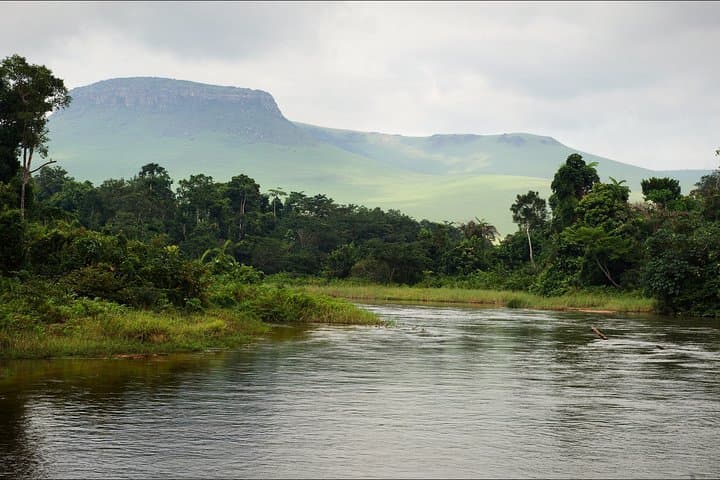
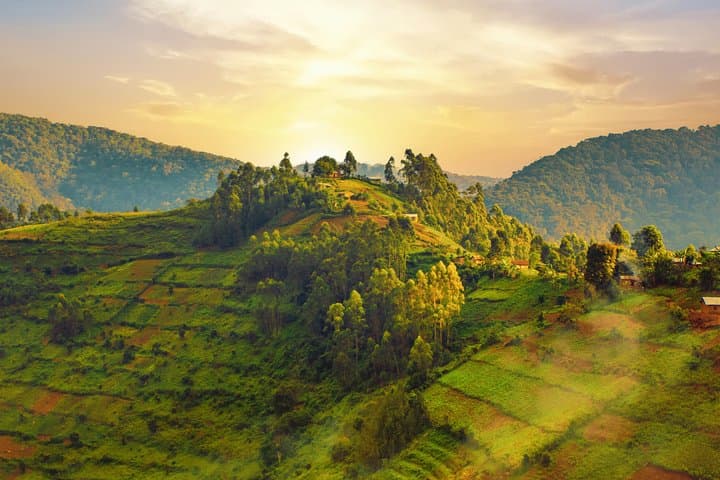
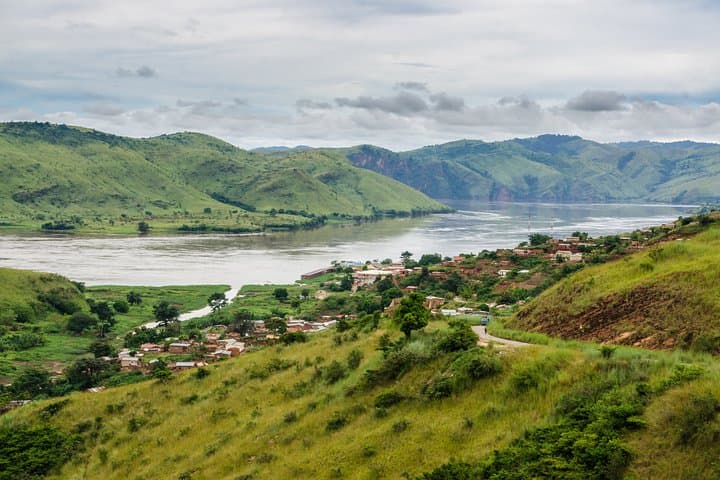
Kananga began as a regional trading and administrative hub; its growth followed river crossings and colonial rail links that connected Kasai's interior to larger markets. Geologically the region rests on old Precambrian plateaus that give way to riverine floodplains; the Lulua, a Kasai tributary, still defines neighborhoods and daily routines. Culturally the city is grounded in Tshiluba traditions, with lively street markets, oral histories and music that spill into the lanes.
A guided walking tour threads these pieces together—architecture, market rhythms, and local legends—while pausing at lesser-known viewpoints along the riverbank.
Practical guidance: plan the walk for morning or late afternoon to avoid midday heat and market congestion. Wear sturdy shoes for uneven sidewalks and riverbank paths, carry water and a hat, and bring small change for market purchases and a modest tip for your guide. Be ready for lively conversation; asking about local crafts or railway history unlocks the best stories. Weather can shift quickly—an afternoon shower is common in the rainy season—so a lightweight rain layer is useful. Respect private property and ask before photographing people. This tour is compact, informative and grounded in everyday Kananga life—ideal for first-time visitors who want immediate context and local perspective.
easy.
2 hours.
Suitable for all fitness levels; requires standing and walking on uneven urban paths for up to two hours.
The experience lasts approximately two hours and is paced for walking and short stops.
Guides typically speak Tshiluba and French; many can provide basic English—check when booking if you need English specifically.
Yes—it's rated easy and suitable for all fitness levels, though participants should be able to walk for two hours with brief stops.
Guides usually plan short breaks; public restrooms and small food stalls are available but bring change and hand sanitizer.
Kananga grew as a regional trading hub tied to river crossings and colonial-era rail connections; the name derives from Tshiluba "kanangayi," meaning a place for peace or love.
Urban rivers and markets face pressure from waste and informal development—reduce plastic use, stay on marked paths, and support local guides and vendors to boost community stewardship.
Opatrip.com Congo operates guided outdoor trips and adventures with an emphasis on safety, stewardship, and memorable experiences.
You step off a shaded avenue and the city opens—brick facades, a whistle from an old rail yard, and the Lulua River pushing its bright current past market stalls. The guide falls easily into Tshiluba, pointing out carved doorways and the spots where lovers, traders and rail workers shaped Kananga's days.
You step off a shaded avenue and the city opens—brick facades, a whistle from an old rail yard, and the Lulua River pushing its bright current past market stalls. The guide falls easily into Tshiluba, pointing out carved doorways and the spots where lovers, traders and rail workers shaped Kananga's days.
Kananga began as a regional trading and administrative hub; its growth followed river crossings and colonial rail links that connected Kasai's interior to larger markets. Geologically the region rests on old Precambrian plateaus that give way to riverine floodplains; the Lulua, a Kasai tributary, still defines neighborhoods and daily routines. Culturally the city is grounded in Tshiluba traditions, with lively street markets, oral histories and music that spill into the lanes.
A guided walking tour threads these pieces together—architecture, market rhythms, and local legends—while pausing at lesser-known viewpoints along the riverbank.
Practical guidance: plan the walk for morning or late afternoon to avoid midday heat and market congestion. Wear sturdy shoes for uneven sidewalks and riverbank paths, carry water and a hat, and bring small change for market purchases and a modest tip for your guide. Be ready for lively conversation; asking about local crafts or railway history unlocks the best stories. Weather can shift quickly—an afternoon shower is common in the rainy season—so a lightweight rain layer is useful. Respect private property and ask before photographing people. This tour is compact, informative and grounded in everyday Kananga life—ideal for first-time visitors who want immediate context and local perspective.