THE ADVENTURE COLLECTIVE® · Independent discovery and booking for outdoor travel

Travel by tuk‑tuk through rural Kampot on a day tour that links a pepper plantation, a 7th‑century cave temple, a man‑made "Secret Lake" and coastal salt fields. Expect short walks, local stories, and sensory encounters with spice, history and wide skies.
Travel by tuk‑tuk through rural Kampot on a day tour that links a pepper plantation, a 7th‑century cave temple, a man‑made "Secret Lake" and coastal salt fields. Expect short walks, local stories, and sensory encounters with spice, history and wide skies.
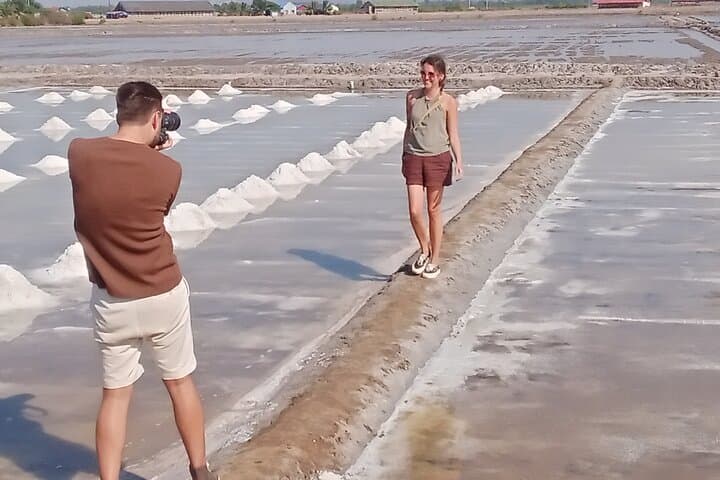
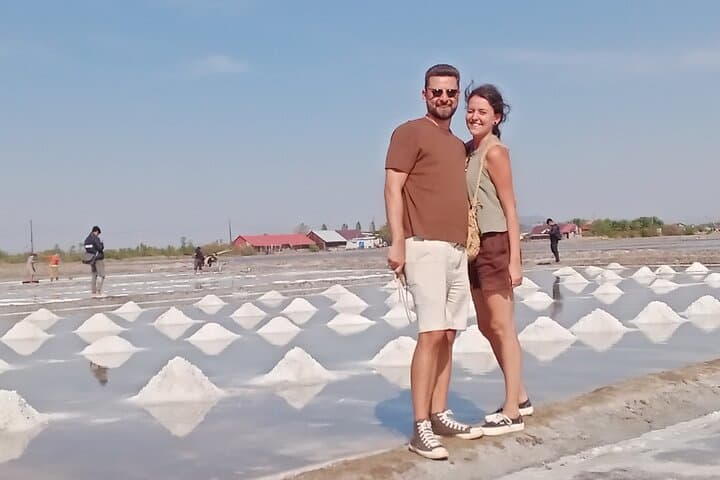
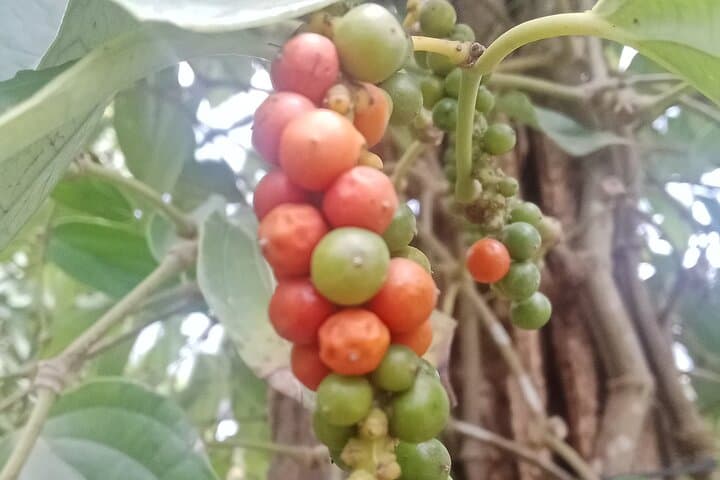
Morning light spills across flat rice paddies as your tuk‑tuk threads a road that smells faintly of earth and spice. Drivers here know every turn; the countryside opens in stages — small Khmer villages, a pepper plantation with vines trained over wooden trellises, and a quiet, seasonal lake that swells and shrinks with the rains. By late afternoon the salt fields glitter like a low, white sea under a wide Cambodian sky.
Verified experiences and guided adventures in the surrounding area.
Operated by Kampot Adventure tour · Kampot, Kampot Province
Morning light spills across flat rice paddies as your tuk‑tuk threads a road that smells faintly of earth and spice. Drivers here know every turn; the countryside opens in stages — small Khmer villages, a pepper plantation with vines trained over wooden trellises, and a quiet, seasonal lake that swells and shrinks with the rains. By late afternoon the salt fields glitter like a low, white sea under a wide Cambodian sky.
This one‑day circuit pairs human history and simple geology. Phnom Chhnork is a 7th‑century Funan brick cave temple dedicated to Shiva, its stone steps worn by centuries of pilgrimage. The Secret Lake is a man‑made reservoir with a darker chapter — built during the Khmer Rouge era — that now supports local irrigation. Salt production nearby uses long-established evaporation pans along coastal flats, while Kampot pepper is grown on nutrient‑rich alluvial soils and dried on racks in the open air.
Expect a gently paced, mostly vehicle‑based outing with short walks: farm lanes, a stone approach to the cave, and level paths around salt pans. Sensory highlights include the smoky snap of roasted pepper, the echo in a cool cave chamber, and the slow motion of waterfowl taking off from the lake.
Practical guidance: bring sun protection and refillable water for the heat; sturdy closed shoes for the temple steps and uneven terrain; and carry small local currency for entry fees and market purchases. Aim for a late afternoon visit to the salt fields for better light and cooler temperatures — and leave a little room in your schedule to watch buffalos graze as the sun drops behind the low hills.
easy.
4–6 hours.
Suitable for most fitness levels; involves short, gentle walks and some steps at the cave temple.
Typical durations are 4–6 hours; start times vary by operator but many depart mid‑morning to reach the salt fields and farms in daylight.
The tour listing indicates entry fees are included, but it’s wise to carry small cash for incidental purchases or optional snacks.
Yes—this tour is rated easy and suitable for most ages, though infants should sit on laps and the cave has stone steps to navigate.
Yes, most pepper farms include a tasting and short demonstration of drying and sorting processes as part of the visit.
Phnom Chhnork is a 7th‑century Funan brick temple dedicated to Shiva; the Secret Lake was expanded under Khmer Rouge-era projects and now serves local agriculture.
Salt fields and pepper farms are working landscapes — minimize plastic waste, stay on paths, and buy local products to support sustainable livelihoods.
Kampot Adventure tour operates guided outdoor trips and adventures with an emphasis on safety, stewardship, and memorable experiences.
Morning light spills across flat rice paddies as your tuk‑tuk threads a road that smells faintly of earth and spice. Drivers here know every turn; the countryside opens in stages — small Khmer villages, a pepper plantation with vines trained over wooden trellises, and a quiet, seasonal lake that swells and shrinks with the rains. By late afternoon the salt fields glitter like a low, white sea under a wide Cambodian sky.
Morning light spills across flat rice paddies as your tuk‑tuk threads a road that smells faintly of earth and spice. Drivers here know every turn; the countryside opens in stages — small Khmer villages, a pepper plantation with vines trained over wooden trellises, and a quiet, seasonal lake that swells and shrinks with the rains. By late afternoon the salt fields glitter like a low, white sea under a wide Cambodian sky.
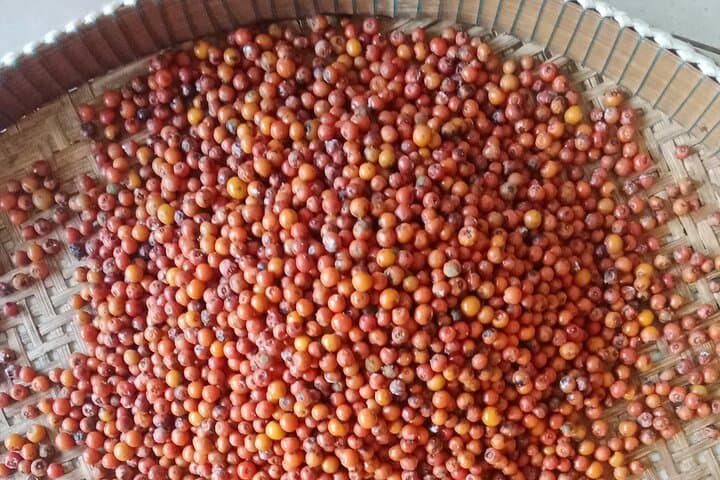
This one‑day circuit pairs human history and simple geology. Phnom Chhnork is a 7th‑century Funan brick cave temple dedicated to Shiva, its stone steps worn by centuries of pilgrimage. The Secret Lake is a man‑made reservoir with a darker chapter — built during the Khmer Rouge era — that now supports local irrigation. Salt production nearby uses long-established evaporation pans along coastal flats, while Kampot pepper is grown on nutrient‑rich alluvial soils and dried on racks in the open air.
Expect a gently paced, mostly vehicle‑based outing with short walks: farm lanes, a stone approach to the cave, and level paths around salt pans. Sensory highlights include the smoky snap of roasted pepper, the echo in a cool cave chamber, and the slow motion of waterfowl taking off from the lake.
Practical guidance: bring sun protection and refillable water for the heat; sturdy closed shoes for the temple steps and uneven terrain; and carry small local currency for entry fees and market purchases. Aim for a late afternoon visit to the salt fields for better light and cooler temperatures — and leave a little room in your schedule to watch buffalos graze as the sun drops behind the low hills.