THE ADVENTURE COLLECTIVE® · Independent discovery and booking for outdoor travel

Spend 5–6 hours touring Kampot’s pepper farms, reflective salt pans, Phnom Chhngok’s limestone cave temple and the somber Secret Lake. This easy-paced day tour combines hands-on farming insights, karst geology and local history with practical transport from Kampot town.
Spend 5–6 hours touring Kampot’s pepper farms, reflective salt pans, Phnom Chhngok’s limestone cave temple and the somber Secret Lake. This easy-paced day tour combines hands-on farming insights, karst geology and local history with practical transport from Kampot town.
A tuk-tuk bumps out of Kampot town just after dawn, the river light sharpening low reeds and the salt pans glinting like a grid of shallow mirrors. You pass rice paddies and limestone karsts—karsts that will later loom over the craggy mouth of Phnom Chhngok—while the air smells faintly of brine and crushed pepper leaves.
Verified experiences and guided adventures in the surrounding area.
Operated by Cambodia Tourist Car · Kampot, Kampot Province
A tuk-tuk bumps out of Kampot town just after dawn, the river light sharpening low reeds and the salt pans glinting like a grid of shallow mirrors. You pass rice paddies and limestone karsts—karsts that will later loom over the craggy mouth of Phnom Chhngok—while the air smells faintly of brine and crushed pepper leaves.
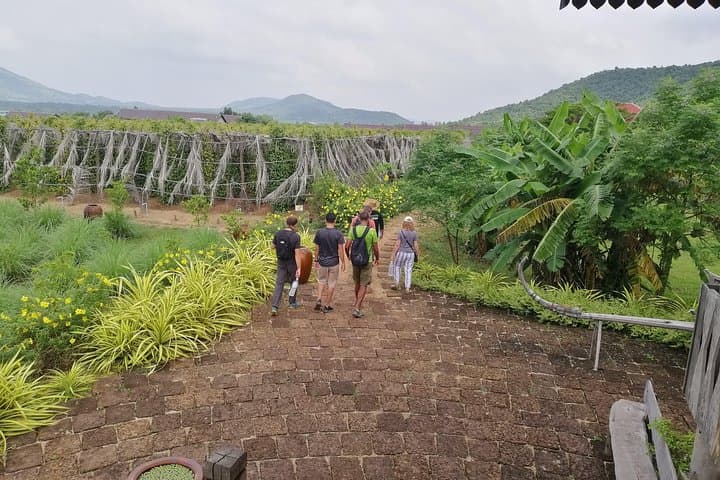
This full-day loop weaves agricultural life, geology and a quiet layer of history. Kampot pepper farms still use traditional, largely organic methods; rows of pepper vines cling to wooden posts and the air tastes of citrus and spice. The salt fields are shallow evaporation pans worked by hand in the dry season and by mechanical pumps when rains recede. Phnom Chhngok is a classic limestone karst cave with stalactites and a 7th-century red-brick temple tucked beneath an overhang—evidence of pre-Angkorian Funan-era occupation. Nearby Secret Lake (Brateak Krola) is a man-made dam from the Khmer Rouge era whose scale and past give it a somber, reflective feel.
Expect light walking—short uneven cave steps, muddy trails around the lake and flat walks through pepper plots. The day typically runs 5–6 hours with hotel pick-up in Kampot; transport is usually by tuk-tuk. Bring sun protection, plenty of water, and sturdy shoes for slippery cave passages. Carry cash for local purchases and be respectful at temple sites: modest dress and quiet footfalls keep the focus on place and people. Timing your visit in the dry season gives clearer salt-field vistas and easier cave access.
easy.
5–6 hours.
Light fitness; able to walk short uneven distances and climb short cave steps
The tour typically lasts 5–6 hours with hotel pick-up and drop-off in Kampot city center.
Phnom Chhngok has uneven steps and low passages but no technical climbing; a moderate level of mobility is sufficient.
Meals are not listed as included—plan to bring snacks or budget for a local lunch in Kampot.
The tour is generally suitable for families, but cave stairs and uneven terrain may be challenging for very young children or those with mobility issues.
Phnom Chhngok holds a pre-Angkorian red-brick temple likely dating to the 7th century, while Secret Lake was created as a dam during the Khmer Rouge era.
Many Kampot pepper growers use traditional organic practices; visitors should stay on paths and avoid trampling vines or disturbing birdlife in the salt pans.
Cambodia Tourist Car operates guided outdoor trips and adventures with an emphasis on safety, stewardship, and memorable experiences.
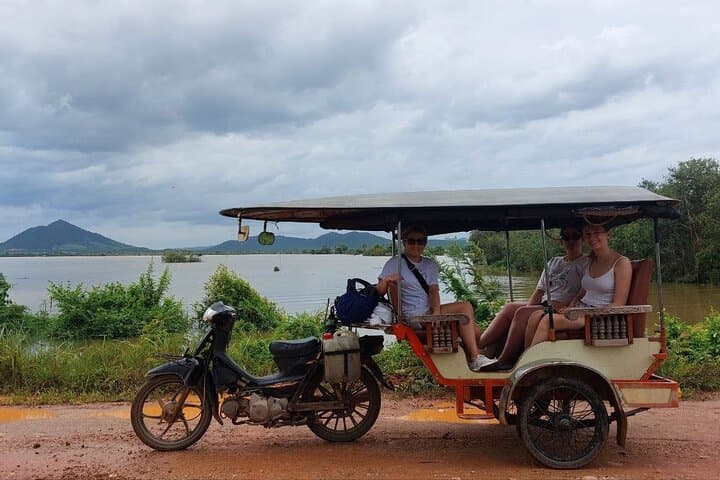
A tuk-tuk bumps out of Kampot town just after dawn, the river light sharpening low reeds and the salt pans glinting like a grid of shallow mirrors. You pass rice paddies and limestone karsts—karsts that will later loom over the craggy mouth of Phnom Chhngok—while the air smells faintly of brine and crushed pepper leaves.
A tuk-tuk bumps out of Kampot town just after dawn, the river light sharpening low reeds and the salt pans glinting like a grid of shallow mirrors. You pass rice paddies and limestone karsts—karsts that will later loom over the craggy mouth of Phnom Chhngok—while the air smells faintly of brine and crushed pepper leaves.
This full-day loop weaves agricultural life, geology and a quiet layer of history. Kampot pepper farms still use traditional, largely organic methods; rows of pepper vines cling to wooden posts and the air tastes of citrus and spice. The salt fields are shallow evaporation pans worked by hand in the dry season and by mechanical pumps when rains recede. Phnom Chhngok is a classic limestone karst cave with stalactites and a 7th-century red-brick temple tucked beneath an overhang—evidence of pre-Angkorian Funan-era occupation. Nearby Secret Lake (Brateak Krola) is a man-made dam from the Khmer Rouge era whose scale and past give it a somber, reflective feel.
Expect light walking—short uneven cave steps, muddy trails around the lake and flat walks through pepper plots. The day typically runs 5–6 hours with hotel pick-up in Kampot; transport is usually by tuk-tuk. Bring sun protection, plenty of water, and sturdy shoes for slippery cave passages. Carry cash for local purchases and be respectful at temple sites: modest dress and quiet footfalls keep the focus on place and people. Timing your visit in the dry season gives clearer salt-field vistas and easier cave access.