THE ADVENTURE COLLECTIVE® · Independent discovery and booking for outdoor travel

Cross Tonle Sap’s reflective expanse on a private boat to Kampong Pluk, where stilted houses, floating shops and flooded forest frame a sunset unlike any riverfront view. This half‑day tour blends market life, village visits and calm water travel for an accessible, sensory introduction to Cambodia’s lake culture.
Cross Tonle Sap’s reflective expanse on a private boat to Kampong Pluk, where stilted houses, floating shops and flooded forest frame a sunset unlike any riverfront view. This half‑day tour blends market life, village visits and calm water travel for an accessible, sensory introduction to Cambodia’s lake culture.
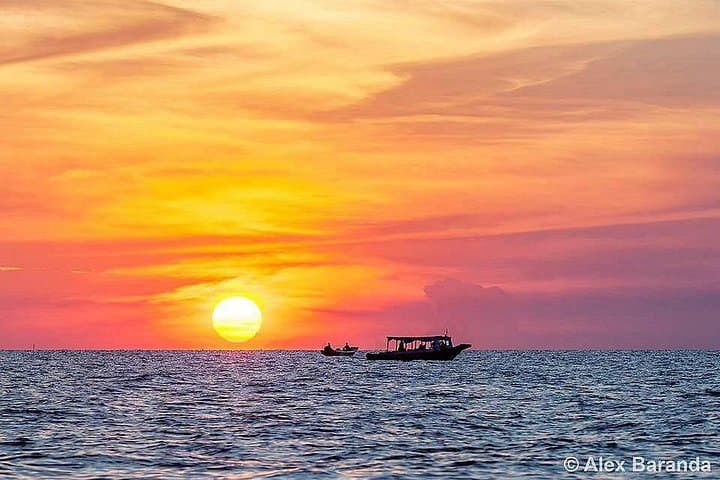
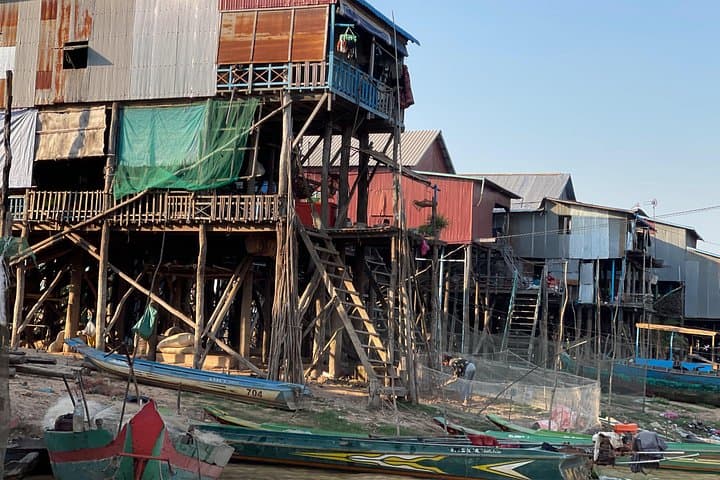
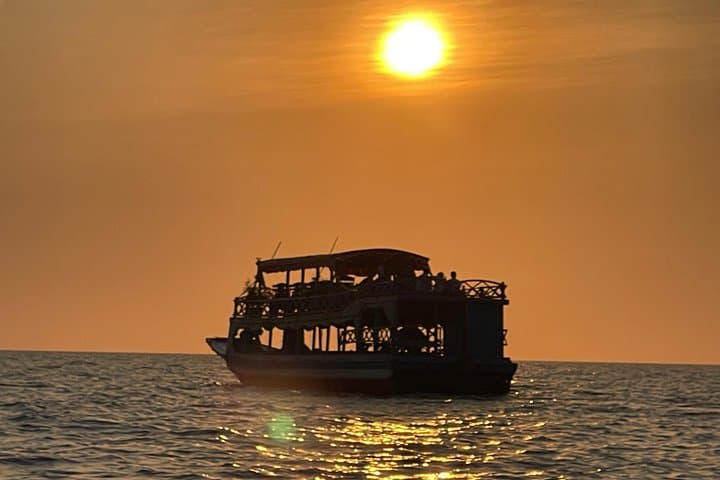
The river breathes its last light as a narrow boat slips away from Rolous Market, oars whispering against a swollen channel. On this private half‑day tour travelers cross a slow landscape where houses stand five meters above dry ground and the lake widens until it feels like an inland sea. Children wave from porches that become stairways at high water; pagoda roofs cut the horizon as the sun tilts orange across the flooded forest.
Verified experiences and guided adventures in the surrounding area.
Operated by Angkor Buddy Tour · Siem Reap, Siem Reap Province
The river breathes its last light as a narrow boat slips away from Rolous Market, oars whispering against a swollen channel. On this private half‑day tour travelers cross a slow landscape where houses stand five meters above dry ground and the lake widens until it feels like an inland sea. Children wave from porches that become stairways at high water; pagoda roofs cut the horizon as the sun tilts orange across the flooded forest.
Kampong Pluk (Kompong Phluk) grew around Tonle Sap’s yearly pulse — a dramatic reversal of flow that expands the lake each wet season and collapses it again in the dry months. That tidal rhythm shaped local architecture, rice cycles and fishing practices that trace back to pre‑Angkor communities. Geologically, Tonle Sap is a lowland basin fed by the Mekong; its seasonal floodplain creates nutrient‑rich waters that attract birds and fish and sustain riverside settlements.
Culturally the village is pragmatic: stilt houses, floating shops, a community school and small pagodas. Guides translate rituals, explain fishery techniques and point out how wooden walkways and waterlines mark memory and survival.
Practical notes: depart mid‑afternoon for best light, bring insect repellent and a waterproof phone pouch, and carry small Cambodian riels or US dollars for local purchases. Wear sturdy sandals or lightweight shoes for short walks on uneven, often muddy paths. Photographers should ask before shooting people; evenings cool quickly after sunset so a light layer helps. The tour is easy on fitness but rich in sensory detail — water, timber, voices and the lake’s slow, patient motion.
easy.
3–4 hours.
Suitable for most fitness levels; involves short, easy walks and low‑impact boat travel.
The village is roughly 30–40 km from Siem Reap; transfer time is about 45–75 minutes depending on road conditions and exact pickup location.
Yes — the tour is rated easy with short walks and private boat travel; just watch children near water and prepare for boat motion.
Expect water birds (egrets, kingfishers) and sometimes monitor lizards or local fish activity; sightings vary by season and time of day.
No mandatory vaccines for the tour itself, but ensure routine vaccinations are current and take standard precautions against mosquito bites and sun exposure.
Kampong Pluk developed around Tonle Sap’s seasonal flood pulse; stilt architecture and fisheries evolved to match the lake’s dramatic annual cycle and have supported communities for generations.
Tonle Sap is a UNESCO biosphere with pressures from overfishing and development; low‑impact visits, avoiding single‑use plastics and supporting local sellers help reduce visitor impact.
Angkor Buddy Tour operates guided outdoor trips and adventures with an emphasis on safety, stewardship, and memorable experiences.
The river breathes its last light as a narrow boat slips away from Rolous Market, oars whispering against a swollen channel. On this private half‑day tour travelers cross a slow landscape where houses stand five meters above dry ground and the lake widens until it feels like an inland sea. Children wave from porches that become stairways at high water; pagoda roofs cut the horizon as the sun tilts orange across the flooded forest.
The river breathes its last light as a narrow boat slips away from Rolous Market, oars whispering against a swollen channel. On this private half‑day tour travelers cross a slow landscape where houses stand five meters above dry ground and the lake widens until it feels like an inland sea. Children wave from porches that become stairways at high water; pagoda roofs cut the horizon as the sun tilts orange across the flooded forest.
Kampong Pluk (Kompong Phluk) grew around Tonle Sap’s yearly pulse — a dramatic reversal of flow that expands the lake each wet season and collapses it again in the dry months. That tidal rhythm shaped local architecture, rice cycles and fishing practices that trace back to pre‑Angkor communities. Geologically, Tonle Sap is a lowland basin fed by the Mekong; its seasonal floodplain creates nutrient‑rich waters that attract birds and fish and sustain riverside settlements.
Culturally the village is pragmatic: stilt houses, floating shops, a community school and small pagodas. Guides translate rituals, explain fishery techniques and point out how wooden walkways and waterlines mark memory and survival.
Practical notes: depart mid‑afternoon for best light, bring insect repellent and a waterproof phone pouch, and carry small Cambodian riels or US dollars for local purchases. Wear sturdy sandals or lightweight shoes for short walks on uneven, often muddy paths. Photographers should ask before shooting people; evenings cool quickly after sunset so a light layer helps. The tour is easy on fitness but rich in sensory detail — water, timber, voices and the lake’s slow, patient motion.