THE ADVENTURE COLLECTIVE® · Independent discovery and booking for outdoor travel

Explore Kampong Kleang’s changing waters and climb Bakong — the Khmer’s first temple mountain — on a single, full-day tour from Siem Reap. Expect boat lanes, raised villages, and sandstone views with practical local insights for timing and dress.
Explore Kampong Kleang’s changing waters and climb Bakong — the Khmer’s first temple mountain — on a single, full-day tour from Siem Reap. Expect boat lanes, raised villages, and sandstone views with practical local insights for timing and dress.
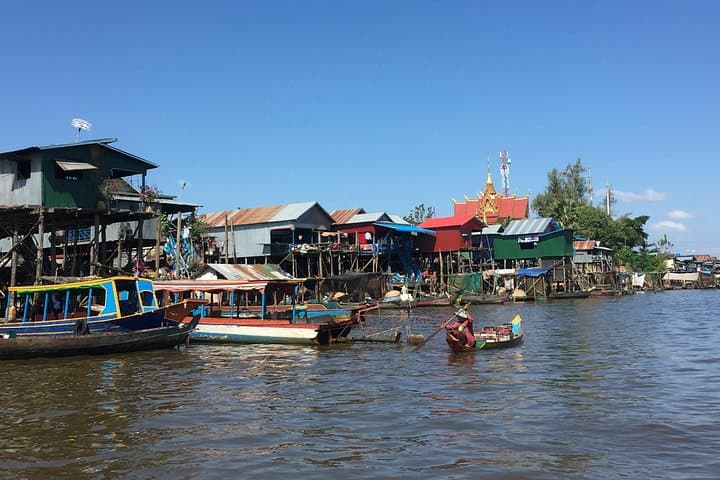
You leave Siem Reap at first light, the van easing onto a road flanked by rice fields where early laborers move like punctuation in a long sentence. Water and land trade places here: during the monsoon the lake pushes inland and houses rise on stilts; in the dry months the same homes stand high above a patchwork of farms. The day begins with a short drive east to Kampong Kleang, where the water dares you to read the map differently — boats thread narrow channels and children wave from verandas that float in season and perch on tall posts in drought.
Verified experiences and guided adventures in the surrounding area.
Operated by Peacock Asia Tours · Siem Reap, Siem Reap Province
You leave Siem Reap at first light, the van easing onto a road flanked by rice fields where early laborers move like punctuation in a long sentence. Water and land trade places here: during the monsoon the lake pushes inland and houses rise on stilts; in the dry months the same homes stand high above a patchwork of farms. The day begins with a short drive east to Kampong Kleang, where the water dares you to read the map differently — boats thread narrow channels and children wave from verandas that float in season and perch on tall posts in drought.
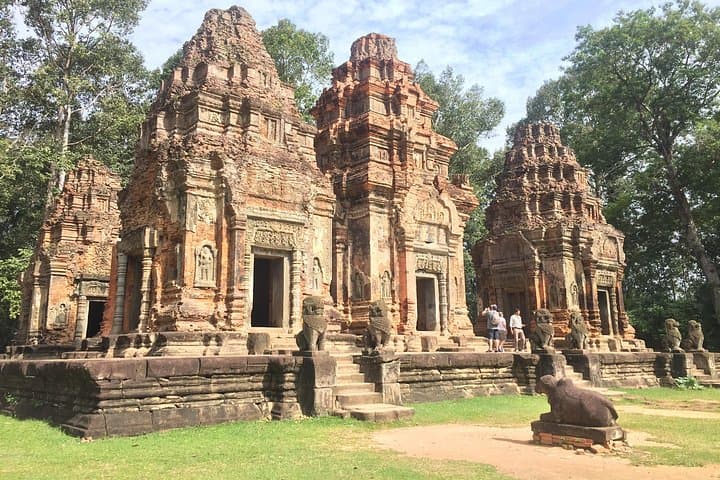
Kampong Kleang is a living floodplain whose lifeblood is the Tonlé Sap system; families adapt with architecture and agriculture that follow the water's moods. In the afternoon the tour shifts to Bakong, the sandstone and laterite temple that served as the Khmer empire’s first pyramid-style mountain. Built in the 9th century, Bakong offers both carved lintels and broad views of the surrounding rice plain; its stones bear the weathering of centuries and a quiet human scale different from the larger Angkor giants. Nearby, a vocational college offers visitors a practical glimpse into local hospitality and culinary training — a cultural bridge from past to present.
Practical notes: dress respectfully for temples (knees and shoulders covered), expect heat and humidity, and bring cash for small purchases. The day combines easy walking, short boat rides, and some stairs at Bakong; timing varies with season and lake levels. Plan sunscreen, a refillable water bottle, and light layers for sudden squalls — Cambodia’s weather shifts with the lake.
moderate.
6–8 hours.
Light to moderate fitness — you’ll do short walks, climb stone steps at Bakong, and step on/off small boats.
The full-day tour typically lasts 6–8 hours and usually departs around 8:00 AM from Siem Reap with return by late afternoon.
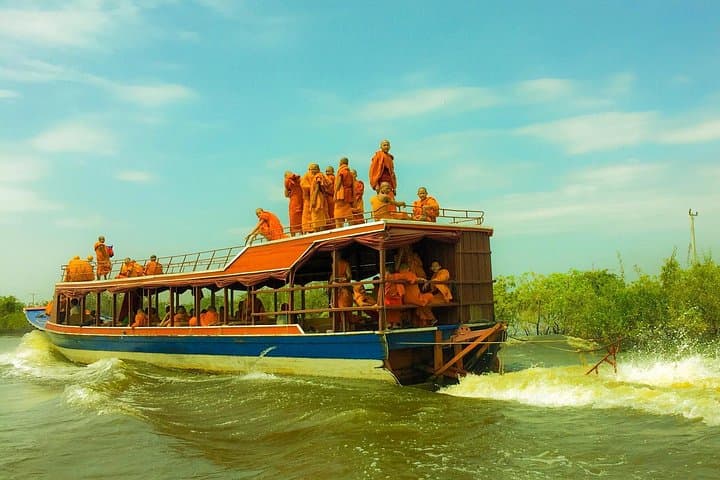
Yes — in the wet season there’s a leisurely boat ride through flooded channels; in the dry season you’ll see tall stilted houses and travel by road around the village.
Yes; the operator notes infants must sit on laps and specialized infant seats are available, but parents should prepare for boat transfers and heat.
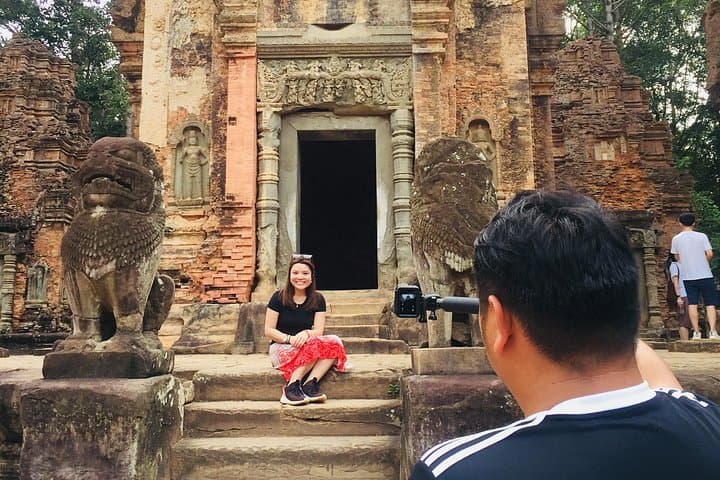
Temples require shoulders and knees to be covered — avoid tank tops and short shorts; lightweight cotton or a sarong is recommended.
Bakong is part of the Roluos Group and represents one of the earliest Khmer pyramid-mountain temples from the 9th century that established architectural forms later used at Angkor.
The Tonlé Sap ecosystem is sensitive; visitors should avoid single-use plastics, respect local fishing seasons, and follow guides’ instructions to reduce disturbance.
Peacock Asia Tours operates guided outdoor trips and adventures with an emphasis on safety, stewardship, and memorable experiences.
You leave Siem Reap at first light, the van easing onto a road flanked by rice fields where early laborers move like punctuation in a long sentence. Water and land trade places here: during the monsoon the lake pushes inland and houses rise on stilts; in the dry months the same homes stand high above a patchwork of farms. The day begins with a short drive east to Kampong Kleang, where the water dares you to read the map differently — boats thread narrow channels and children wave from verandas that float in season and perch on tall posts in drought.
You leave Siem Reap at first light, the van easing onto a road flanked by rice fields where early laborers move like punctuation in a long sentence. Water and land trade places here: during the monsoon the lake pushes inland and houses rise on stilts; in the dry months the same homes stand high above a patchwork of farms. The day begins with a short drive east to Kampong Kleang, where the water dares you to read the map differently — boats thread narrow channels and children wave from verandas that float in season and perch on tall posts in drought.
Kampong Kleang is a living floodplain whose lifeblood is the Tonlé Sap system; families adapt with architecture and agriculture that follow the water's moods. In the afternoon the tour shifts to Bakong, the sandstone and laterite temple that served as the Khmer empire’s first pyramid-style mountain. Built in the 9th century, Bakong offers both carved lintels and broad views of the surrounding rice plain; its stones bear the weathering of centuries and a quiet human scale different from the larger Angkor giants. Nearby, a vocational college offers visitors a practical glimpse into local hospitality and culinary training — a cultural bridge from past to present.
Practical notes: dress respectfully for temples (knees and shoulders covered), expect heat and humidity, and bring cash for small purchases. The day combines easy walking, short boat rides, and some stairs at Bakong; timing varies with season and lake levels. Plan sunscreen, a refillable water bottle, and light layers for sudden squalls — Cambodia’s weather shifts with the lake.