THE ADVENTURE COLLECTIVE® · Independent discovery and booking for outdoor travel

Glide through Tonle Sap’s changing waters to Kampong Khleang and witness life on stilts and floating markets. This half-day small-group tour combines a serene boat ride with cultural insights into one of Southeast Asia’s most unusual lake communities.
Glide through Tonle Sap’s changing waters to Kampong Khleang and witness life on stilts and floating markets. This half-day small-group tour combines a serene boat ride with cultural insights into one of Southeast Asia’s most unusual lake communities.
A wooden skiff parts silver-gray water as dawn loosens its grip on Tonle Sap; paddles whisper and the village appears — rows of stilts and houses that rise and lower with the lake. The air smells faintly of rice and river mud, and the first fishermen cut through morning mist, nets flashing like quicksilver.
Verified experiences and guided adventures in the surrounding area.
Operated by Asia Tours Desk · Siem Reap, Siem Reap Province
A wooden skiff parts silver-gray water as dawn loosens its grip on Tonle Sap; paddles whisper and the village appears — rows of stilts and houses that rise and lower with the lake. The air smells faintly of rice and river mud, and the first fishermen cut through morning mist, nets flashing like quicksilver.
Kampong Khleang sits on the eastern edge of Tonle Sap, a seasonal marvel where the Mekong reverses flow each wet season and the lake swells into one of Southeast Asia’s largest freshwater basins. The village’s stilt architecture and floating platforms are adaptations to that pulse: homes, schools and markets that ride the annual flood cycle.
Geologically, the lake is a dynamic floodplain shaped by monsoon timing and sediment from the Mekong; culturally, its communities have fished and farmed these rhythms for generations. Guides on small-group tours translate local rhythms — explaining fishing seasons, the logistics of floating living and the social networks that keep communities resilient.
Practical guidance: expect a boat ride of 30–90 minutes depending on water levels, and light walking on uneven boardwalks. Wear quick-dry clothes, sun protection and non-slip shoes; bring cash in small denominations for donations or local crafts. Respect private floating homes; ask before photographing people. Tours often include hotel pickup in Siem Reap and run about 3–4 hours total, with much of that time on the water.
The experience is part cultural visit, part environmental observation — a chance to watch a living waterscape that changes with the seasons, where the lake itself seems to breathe and communities move with it.
easy.
3–4 hours.
Suitable for most fitness levels; involves short walks on uneven surfaces and a seated boat ride.
Most itineraries include a 30–90 minute boat segment across Tonle Sap, varying with water levels and how deep the guide navigates into the village channels.
Yes; the tour is rated easy and many operators allow infants and older adults, though uneven boardwalks can be challenging and infants may need to sit on laps during the boat ride.
You can expect to see waterbirds such as kingfishers and storks and occasional sightings of fish activity; peak birdwatching aligns with migratory months and shallower water levels.
Facilities are limited; some floating homes or shore stops may offer basic toilets, but it’s best to use hotel facilities before departure.
The Tonle Sap and its floating communities developed in response to the Mekong’s seasonal flood pulse; villages like Kampong Khleang evolved stilted and floating infrastructure to live with annual changes in water level.
Tonle Sap is a UNESCO Biosphere Reserve facing pressures from overfishing, upstream dams and pollution; choose operators that support local communities and avoid single-use plastics.
Asia Tours Desk operates guided outdoor trips and adventures with an emphasis on safety, stewardship, and memorable experiences.
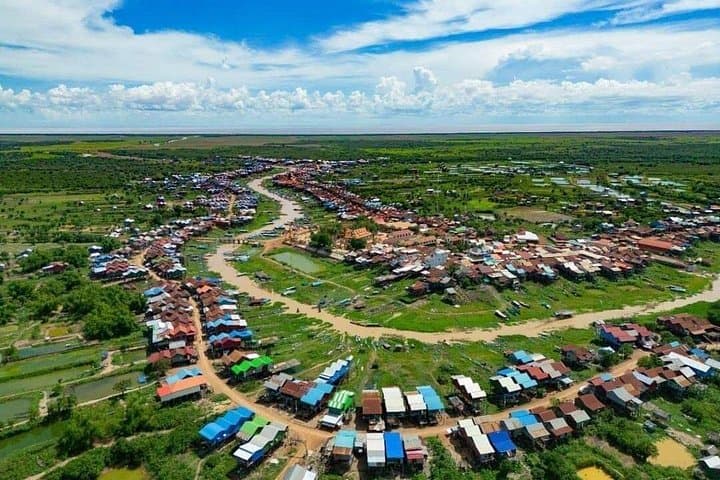
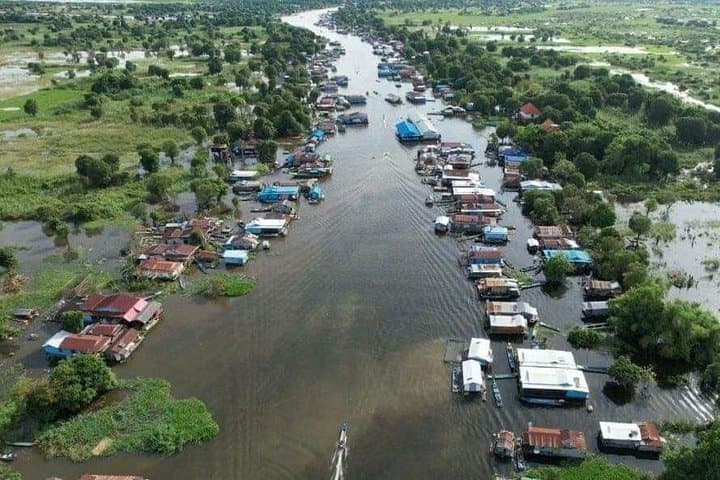
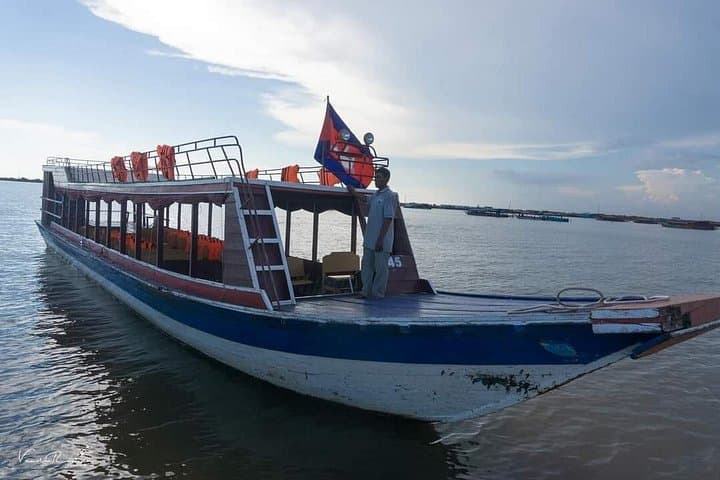
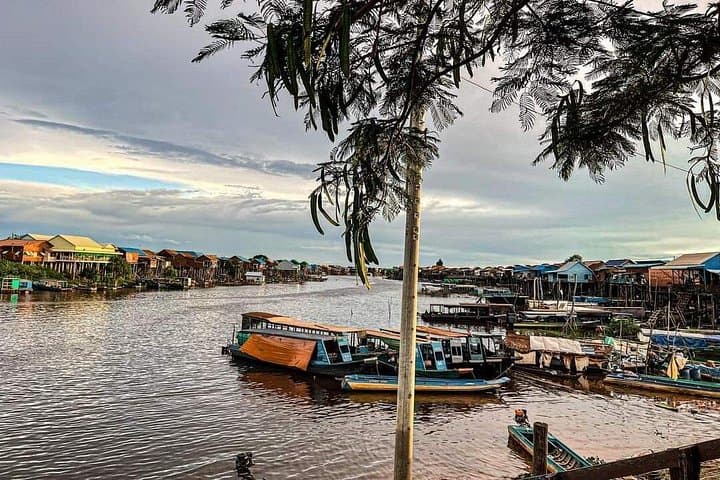
A wooden skiff parts silver-gray water as dawn loosens its grip on Tonle Sap; paddles whisper and the village appears — rows of stilts and houses that rise and lower with the lake. The air smells faintly of rice and river mud, and the first fishermen cut through morning mist, nets flashing like quicksilver.
A wooden skiff parts silver-gray water as dawn loosens its grip on Tonle Sap; paddles whisper and the village appears — rows of stilts and houses that rise and lower with the lake. The air smells faintly of rice and river mud, and the first fishermen cut through morning mist, nets flashing like quicksilver.
Kampong Khleang sits on the eastern edge of Tonle Sap, a seasonal marvel where the Mekong reverses flow each wet season and the lake swells into one of Southeast Asia’s largest freshwater basins. The village’s stilt architecture and floating platforms are adaptations to that pulse: homes, schools and markets that ride the annual flood cycle.
Geologically, the lake is a dynamic floodplain shaped by monsoon timing and sediment from the Mekong; culturally, its communities have fished and farmed these rhythms for generations. Guides on small-group tours translate local rhythms — explaining fishing seasons, the logistics of floating living and the social networks that keep communities resilient.
Practical guidance: expect a boat ride of 30–90 minutes depending on water levels, and light walking on uneven boardwalks. Wear quick-dry clothes, sun protection and non-slip shoes; bring cash in small denominations for donations or local crafts. Respect private floating homes; ask before photographing people. Tours often include hotel pickup in Siem Reap and run about 3–4 hours total, with much of that time on the water.
The experience is part cultural visit, part environmental observation — a chance to watch a living waterscape that changes with the seasons, where the lake itself seems to breathe and communities move with it.