THE ADVENTURE COLLECTIVE® · Independent discovery and booking for outdoor travel

Two days in Kampala compress politics, religion and craft into an approachable cultural circuit. Visit the Kasubi Tombs, Namugongo Martyrs Shrine, the Baháʼí Temple and the National Museum with practical tips for timing, dress and markets.
Two days in Kampala compress politics, religion and craft into an approachable cultural circuit. Visit the Kasubi Tombs, Namugongo Martyrs Shrine, the Baháʼí Temple and the National Museum with practical tips for timing, dress and markets.
The first morning light slides over seven low hills and Kampala wakes in a loose, human rhythm — church bells, boda-boda horns and the market’s cadence. You begin with the low-slung palaces of Buganda Kingdom, where oral histories are still spoken aloud and the place itself keeps a careful memory of past rulers.
Verified experiences and guided adventures in the surrounding area.
Operated by Verdoro Safaris Uganda · Kampala, Central Region
The first morning light slides over seven low hills and Kampala wakes in a loose, human rhythm — church bells, boda-boda horns and the market’s cadence. You begin with the low-slung palaces of Buganda Kingdom, where oral histories are still spoken aloud and the place itself keeps a careful memory of past rulers.
This two-day loop threads culture, politics and religion into a compact city itinerary. The Kasubi Tombs, a UNESCO site, reveal Baganda funerary architecture in traditional thatch and timber and speak to succession rituals that shape local identity. At Namugongo Martyrs Shrine the stone and glass mark a violent 19th-century crossroads between faith and power; the narrative here is both solemn and civic. The Baháʼí Temple in Kisaasi offers a quieter counterpoint — modern lines, deliberately cool gardens, city views that flatten Kampala’s hills into a living map.
Between sites the Uganda National Museum places artifacts and natural history in context; the Craft Village is direct—hands-on woodcarving, beads and textiles that double as practical souvenirs.
Practical guidance: plan for traffic, especially between hours 7–9:30am and 4–7pm; use an AC vehicle for midday comfort. Dress respectfully at religious sites (shoulders and knees covered), carry small change for market purchases and expect uneven paths in historic compounds. Bring a lightweight rain layer during the long rains (March–May) and a sun hat year-round. The tour is low-impact physically but high on cultural learning: listen, ask permission before photos and allow time to pause — Kampala rewards scrutiny as much as speed.
easy.
2 days.
Suitable for most fitness levels; requires moderate amounts of walking on paved and uneven surfaces.
Admission is typically included on guided city tours, but confirm with the operator—some sites may charge separate fees.
This two-day itinerary usually includes breakfast, lunch and dinner as listed; verify any dietary needs at booking time.
Duplicate key removed
Tipping is appreciated; 10–15% of the tour cost divided among guide and driver is common practice, or give small cash amounts directly.
Kampala grew from a cluster of hilltop settlements tied to the Buganda Kingdom; its landmarks reflect the 19th-century meeting of indigenous authority and colonial-era change.
Heritage sites like Kasubi Tombs require careful visitor behavior—no flash photography or climbing on structures—and supporting local craft helps sustain traditional skills.
Verdoro Safaris Uganda operates guided outdoor trips and adventures with an emphasis on safety, stewardship, and memorable experiences.
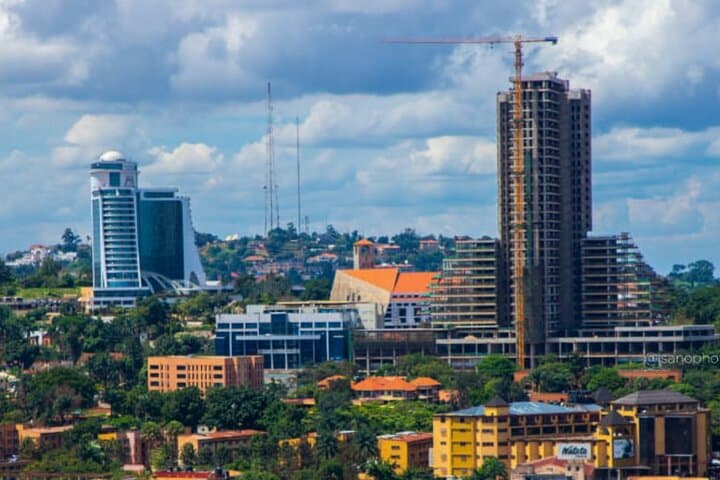
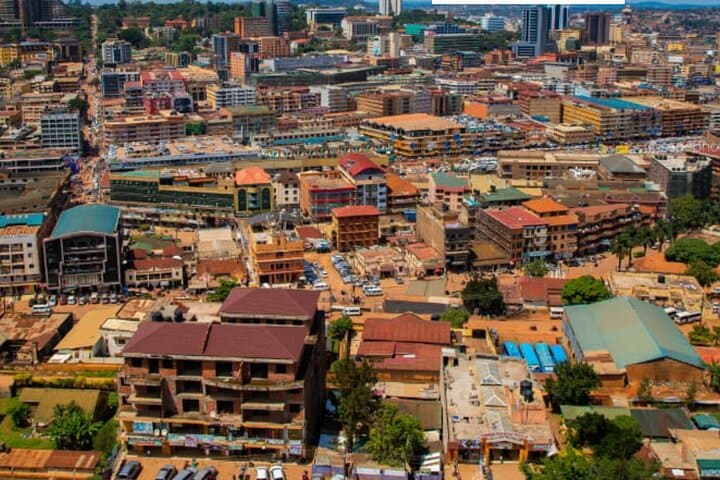
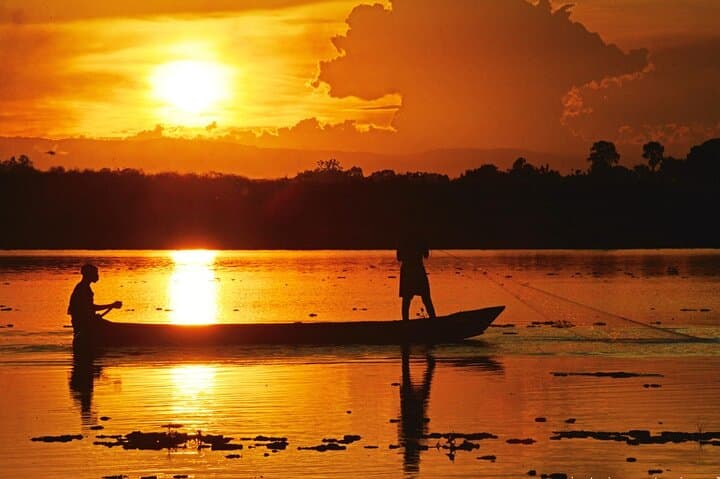
The first morning light slides over seven low hills and Kampala wakes in a loose, human rhythm — church bells, boda-boda horns and the market’s cadence. You begin with the low-slung palaces of Buganda Kingdom, where oral histories are still spoken aloud and the place itself keeps a careful memory of past rulers.
The first morning light slides over seven low hills and Kampala wakes in a loose, human rhythm — church bells, boda-boda horns and the market’s cadence. You begin with the low-slung palaces of Buganda Kingdom, where oral histories are still spoken aloud and the place itself keeps a careful memory of past rulers.
This two-day loop threads culture, politics and religion into a compact city itinerary. The Kasubi Tombs, a UNESCO site, reveal Baganda funerary architecture in traditional thatch and timber and speak to succession rituals that shape local identity. At Namugongo Martyrs Shrine the stone and glass mark a violent 19th-century crossroads between faith and power; the narrative here is both solemn and civic. The Baháʼí Temple in Kisaasi offers a quieter counterpoint — modern lines, deliberately cool gardens, city views that flatten Kampala’s hills into a living map.
Between sites the Uganda National Museum places artifacts and natural history in context; the Craft Village is direct—hands-on woodcarving, beads and textiles that double as practical souvenirs.
Practical guidance: plan for traffic, especially between hours 7–9:30am and 4–7pm; use an AC vehicle for midday comfort. Dress respectfully at religious sites (shoulders and knees covered), carry small change for market purchases and expect uneven paths in historic compounds. Bring a lightweight rain layer during the long rains (March–May) and a sun hat year-round. The tour is low-impact physically but high on cultural learning: listen, ask permission before photos and allow time to pause — Kampala rewards scrutiny as much as speed.