THE ADVENTURE COLLECTIVE® · Independent discovery and booking for outdoor travel

Take a guided boda boda (motorbike) circuit through Kampala’s busiest markets, religious landmarks and royal sites. This full-day ride delivers local food stops, panoramic minaret views and a close-up look at life across the city’s historic hills.
Take a guided boda boda (motorbike) circuit through Kampala’s busiest markets, religious landmarks and royal sites. This full-day ride delivers local food stops, panoramic minaret views and a close-up look at life across the city’s historic hills.
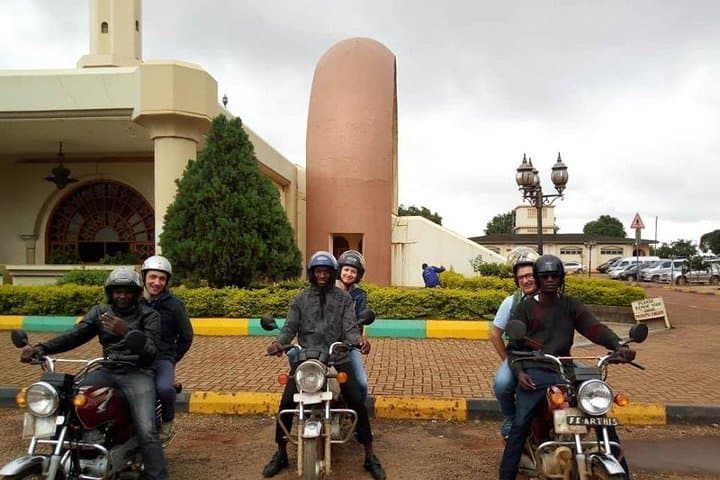
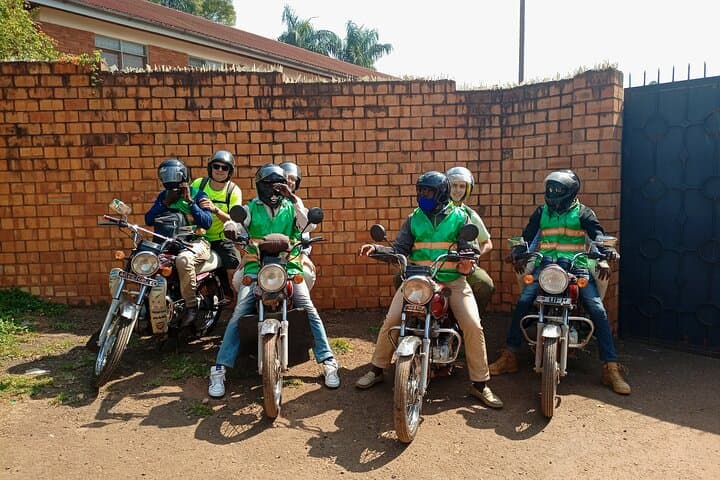
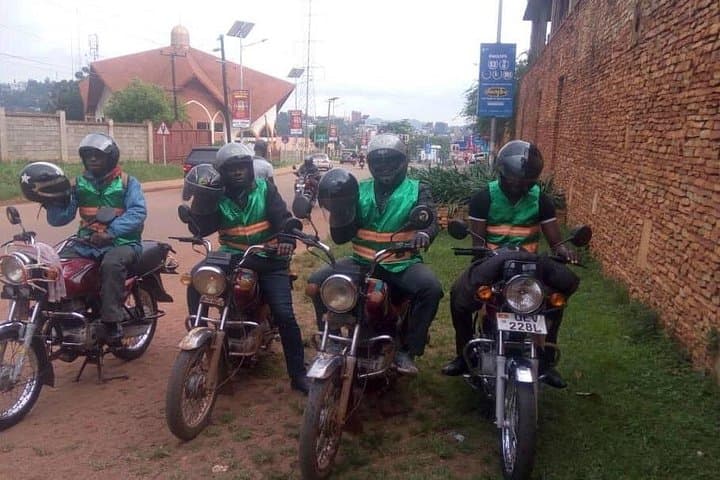
You feel the city before you see it: the thrum of engines, a warm wind carrying the scent of fried rolex and spices, and the skyline of minarets and colonial roofs sliding past as your boda boda threads between lanes. The tour begins with a guide who knows Kampala’s angles — through market alleys and up into viewpoints that reveal the city’s layered hills.
Verified experiences and guided adventures in the surrounding area.
Operated by Kampala City and Slum Tours · Kampala, Kampala Capital City
You feel the city before you see it: the thrum of engines, a warm wind carrying the scent of fried rolex and spices, and the skyline of minarets and colonial roofs sliding past as your boda boda threads between lanes. The tour begins with a guide who knows Kampala’s angles — through market alleys and up into viewpoints that reveal the city’s layered hills.
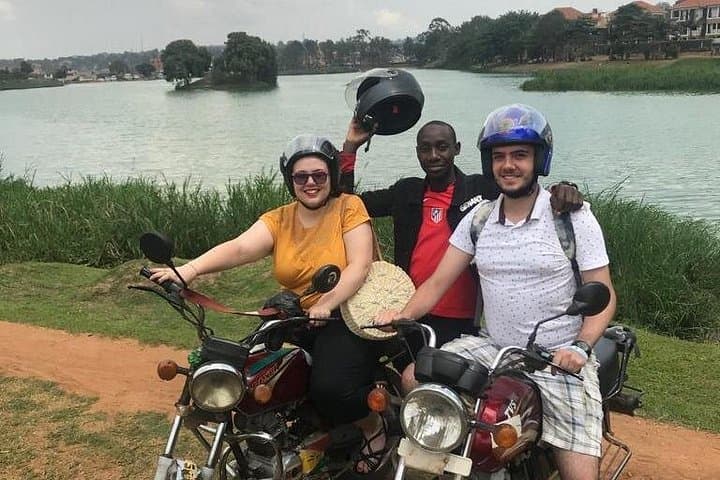
Kampala was founded on seven hills and has grown into more than twenty, a patchwork shaped by the Buganda Kingdom, colonial roads and modern expansion. Ride past the Bahá’í temple — the only one of its kind in Africa — and the grand dome of Gaddafi National Mosque, whose minaret gives a 360° survey of the city. History sits beside commerce at Kalerwe and Owino markets, where traders sell matooke, fish and secondhand cloth. Lubiri (the King’s Palace) and Kabaka’s Lake tell the story of Buganda royalty; the man-made lake dates to the late 19th century.
Practical guidance: the full experience runs about 6–7 hours with multiple stops; drivers provide helmets and water. Expect mixed pavement and congested urban streets — travel comfort depends on a steady head for traffic and a willingness to move quickly between sites. Bring sun protection, closed-toe shoes for market strolls, and a small secure bag for valuables. Timing matters: mornings are cooler and markets busiest, late afternoons offer softer light for the minaret view. Respect local customs at religious sites (modest dress) and be prepared for close-up encounters with everyday Kampala life—vibrant, noisy and immediate.
easy.
6–7 hours.
Suitable for most fitness levels; you’ll spend long periods as a passenger and on short walking stops through markets and sites.
No — professional riders handle the driving; you participate as a passenger and are provided with helmets and hair nets.
A bottled water and a sample of the famous Ugandan rolex snack are included; full meals and extra snacks are at your own expense during market stops.
Infants must sit on an adult’s lap and infant seats are available; discuss age and comfort with the operator when booking.
Yes—most stops include guided visits and interior access, but modest dress is required for mosques and some heritage sites.
Kampala grew from the Buganda Kingdom’s seven hills; sites like Lubiri Palace and Kabaka’s Lake reflect the kingdom’s 19th-century political and social organization.
Traffic and urban waste are ongoing issues—support local vendors, avoid single-use plastics when possible, and follow guides’ instructions for respectful behavior in sensitive sites.
Kampala City and Slum Tours operates guided outdoor trips and adventures with an emphasis on safety, stewardship, and memorable experiences.
You feel the city before you see it: the thrum of engines, a warm wind carrying the scent of fried rolex and spices, and the skyline of minarets and colonial roofs sliding past as your boda boda threads between lanes. The tour begins with a guide who knows Kampala’s angles — through market alleys and up into viewpoints that reveal the city’s layered hills.
You feel the city before you see it: the thrum of engines, a warm wind carrying the scent of fried rolex and spices, and the skyline of minarets and colonial roofs sliding past as your boda boda threads between lanes. The tour begins with a guide who knows Kampala’s angles — through market alleys and up into viewpoints that reveal the city’s layered hills.
Kampala was founded on seven hills and has grown into more than twenty, a patchwork shaped by the Buganda Kingdom, colonial roads and modern expansion. Ride past the Bahá’í temple — the only one of its kind in Africa — and the grand dome of Gaddafi National Mosque, whose minaret gives a 360° survey of the city. History sits beside commerce at Kalerwe and Owino markets, where traders sell matooke, fish and secondhand cloth. Lubiri (the King’s Palace) and Kabaka’s Lake tell the story of Buganda royalty; the man-made lake dates to the late 19th century.
Practical guidance: the full experience runs about 6–7 hours with multiple stops; drivers provide helmets and water. Expect mixed pavement and congested urban streets — travel comfort depends on a steady head for traffic and a willingness to move quickly between sites. Bring sun protection, closed-toe shoes for market strolls, and a small secure bag for valuables. Timing matters: mornings are cooler and markets busiest, late afternoons offer softer light for the minaret view. Respect local customs at religious sites (modest dress) and be prepared for close-up encounters with everyday Kampala life—vibrant, noisy and immediate.