THE ADVENTURE COLLECTIVE® · Independent discovery and booking for outdoor travel

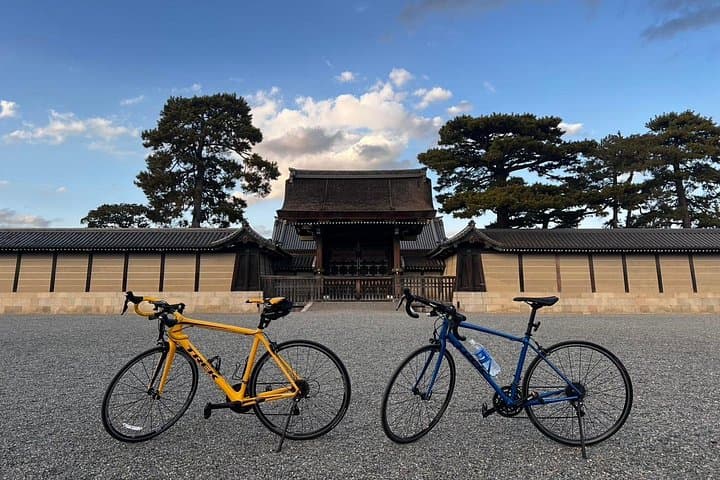
Cycle from JR Kyoto Station through backstreets to the Imperial Palace, Shimogamo Shrine and the Kamogawa riverside. This 4–5 hour private tour mixes cultural stops, street-food bites, and a flat river ride suited to riders with moderate fitness.
Cycle from JR Kyoto Station through backstreets to the Imperial Palace, Shimogamo Shrine and the Kamogawa riverside. This 4–5 hour private tour mixes cultural stops, street-food bites, and a flat river ride suited to riders with moderate fitness.
Pedaling out from JR Kyoto Station, the city loosens and a ribbon of water—the Kamogawa—dares you north.
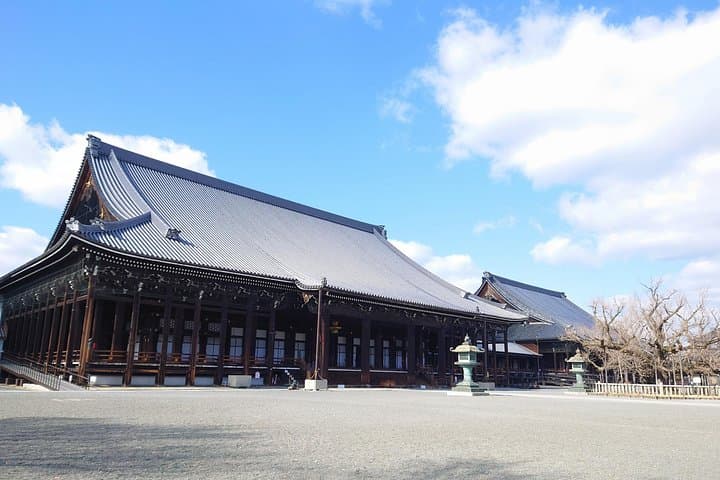
You move from wide modern avenues into quieter wooden storefronts, where the guide points out the best matcha soft-serve and a tiny meat shop selling korokke. Temple gates and tiled roofs edge closer; the bicycle hums over smooth pavement as the guide threads history into each stop.
Verified experiences and guided adventures in the surrounding area.
Operated by レンタルバイク スムース · Kyoto, Kyoto
Pedaling out from JR Kyoto Station, the city loosens and a ribbon of water—the Kamogawa—dares you north.
You move from wide modern avenues into quieter wooden storefronts, where the guide points out the best matcha soft-serve and a tiny meat shop selling korokke. Temple gates and tiled roofs edge closer; the bicycle hums over smooth pavement as the guide threads history into each stop.
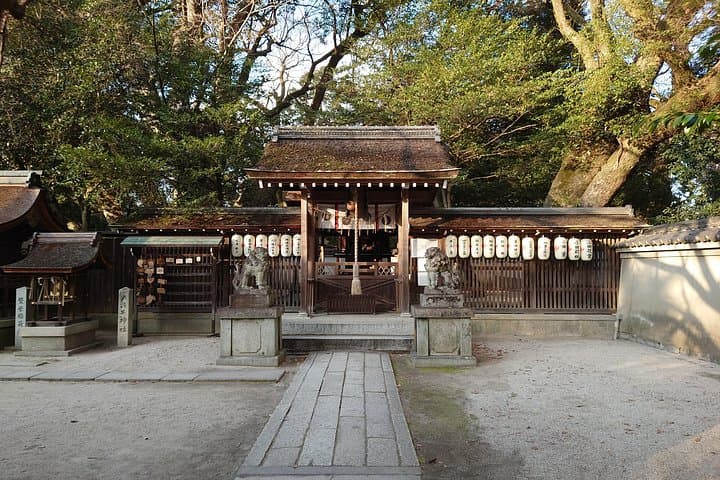
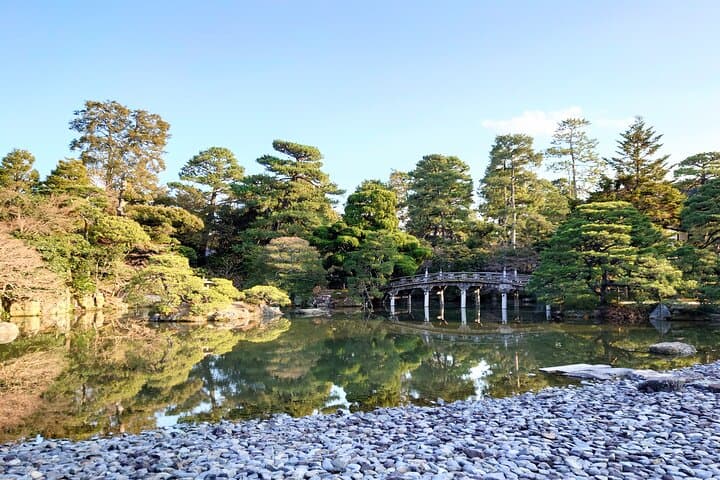
Kyoto sits on a sedimentary basin carved by rivers; the Imperial Palace occupies a raised rectangular plateau with formal gardens and ceremonial architecture. Shimogamo Shrine, one of the area's oldest sites, anchors Shinto traditions that predate the capital’s medieval layout. Gion remains a living neighborhood—respectful distance and quiet are required around geisha districts.
The route mixes flat paved cycleways, low-traffic side streets, and short pedestrian sections where you walk your bike (expect a 100m push through market lanes). The Kamogawa embankment is an open stretch—steady pedaling can reach 30–40 km/h in clear segments, but bridges, joggers, and e-bike riders demand careful braking.
Practicalities: plan for a 4–5 hour morning or afternoon window, bring modest cash for street food, and carry ID. Helmets and bikes are provided; the private tour pace fits riders with moderate fitness and city-cycling confidence. If rain closes the route, the operator may substitute bus segments. The reward is immediate: historic shrines and palace gardens framed by river light, a compact portrait of Kyoto that balances culture, food, and steady miles.
moderate.
4–5 hours.
Moderate—comfortable on a city bike for several hours and able to walk short distances.
Yes—helmets and well-maintained city bicycles are provided as part of the tour.
Visits to external precincts and gardens are included where permitted; formal admissions (if required) are not generally included but guide will advise.
The operator may switch to bus segments or reschedule; for full refund, cancel at least 24 hours before departure per policy.
Families with older children who are comfortable on bikes can join; the tour requires moderate fitness and some city riding experience.
The Imperial Palace area has been the court's heart since Heian-era relocations; Shimogamo Shrine preserves rituals older than Kyoto’s city plan.
Stick to marked routes and pack out trash; river embankments are sensitive to litter and feeding wildlife can disrupt local birds.
レンタルバイク スムース operates guided outdoor trips and adventures with an emphasis on safety, stewardship, and memorable experiences.
Pedaling out from JR Kyoto Station, the city loosens and a ribbon of water—the Kamogawa—dares you north.
You move from wide modern avenues into quieter wooden storefronts, where the guide points out the best matcha soft-serve and a tiny meat shop selling korokke. Temple gates and tiled roofs edge closer; the bicycle hums over smooth pavement as the guide threads history into each stop.
Kyoto sits on a sedimentary basin carved by rivers; the Imperial Palace occupies a raised rectangular plateau with formal gardens and ceremonial architecture. Shimogamo Shrine, one of the area's oldest sites, anchors Shinto traditions that predate the capital’s medieval layout. Gion remains a living neighborhood—respectful distance and quiet are required around geisha districts.
The route mixes flat paved cycleways, low-traffic side streets, and short pedestrian sections where you walk your bike (expect a 100m push through market lanes). The Kamogawa embankment is an open stretch—steady pedaling can reach 30–40 km/h in clear segments, but bridges, joggers, and e-bike riders demand careful braking.
Practicalities: plan for a 4–5 hour morning or afternoon window, bring modest cash for street food, and carry ID. Helmets and bikes are provided; the private tour pace fits riders with moderate fitness and city-cycling confidence. If rain closes the route, the operator may substitute bus segments. The reward is immediate: historic shrines and palace gardens framed by river light, a compact portrait of Kyoto that balances culture, food, and steady miles.