THE ADVENTURE COLLECTIVE® · Independent discovery and booking for outdoor travel

Explore Kamata’s compact streets where standing bars, historic onsen, and family-run eateries reveal a local side of Tokyo. This 3–5 hour culinary walk pairs food with neighborhood history and practical tips for first-time visitors.
Explore Kamata’s compact streets where standing bars, historic onsen, and family-run eateries reveal a local side of Tokyo. This 3–5 hour culinary walk pairs food with neighborhood history and practical tips for first-time visitors.
You step off the train and the city shifts—neon gives way to low-rise storefronts, narrow lanes threaded with the smell of grilled fish and frying tempura. Kamata moves at a different tempo than Shinjuku: fewer skyscrapers, more community rhythm. On a food-and-local-life walk here, wooden storefronts, izakaya counters, and a working-class bustle frame every bite.
Verified experiences and guided adventures in the surrounding area.
Operated by Mao@Trilingual · Kamata, Tokyo
You step off the train and the city shifts—neon gives way to low-rise storefronts, narrow lanes threaded with the smell of grilled fish and frying tempura. Kamata moves at a different tempo than Shinjuku: fewer skyscrapers, more community rhythm. On a food-and-local-life walk here, wooden storefronts, izakaya counters, and a working-class bustle frame every bite.
Kamata sits on the southern edge of Tokyo’s Kanto Plain, historically a transit and riverine district near the Tama River. The area’s onsen culture evolved from public baths that served workers and travelers; Kamata Onsen still draws locals for its mineral-rich waters. Geology plays a subtle role—flat alluvial soils made this part of Edo-era Tokyo easy to build small neighborhoods on, producing a dense patchwork of craft shops and family eateries rather than large estates.
Expect tachinomi-style standing bars, long-running yakitori joints, and neighborhood shrines tucked between food alleys. Guides point out family names on noren curtains, the ritual of ordering at a standing bar, and how postwar reconstruction shaped Kamata’s culinary ecology.
Practical guidance: tours typically run 3–5 hours and involve light walking on paved streets and occasional indoor venues. Carry cash—many smaller spots don’t take cards—and wear comfortable shoes for standing and short stairways. Aim for late afternoon to catch both lunch leftovers and evening izakaya openings. If you plan to visit the onsen included in many itineraries, bring a small towel or use the provided rental options. This walk delivers local flavor, approachable history, and the easy confidence of a neighborhood that knows its food.
easy.
3–5 hours.
Light urban walking; suitable for travelers comfortable standing and walking short distances over several hours.
Tours run about 3–5 hours and involve light walking on paved streets with short distances between stops; expect periods of standing while sampling food.
Most operators can accommodate common dietary needs if notified in advance—state allergies or preferences at booking so alternate dishes can be arranged.
Some itineraries include a visit to Kamata Onsen; small tattoos can be a concern—check the onsen’s policy in advance and ask the guide about cover-up options or private bathing alternatives.
Tipping is not customary in Japan; good service is expected without extra payment—simply thank your hosts and follow local dining etiquette.
Kamata grew as a working-class hub and travel junction in the late 19th and 20th centuries; its public baths and small eateries reflect postwar reconstruction and long-running family businesses.
Urban neighborhoods focus on waste separation and small-business sustainability; visitors help by using designated trash receptacles and minimizing single-use plastics.
Mao@Trilingual operates guided outdoor trips and adventures with an emphasis on safety, stewardship, and memorable experiences.

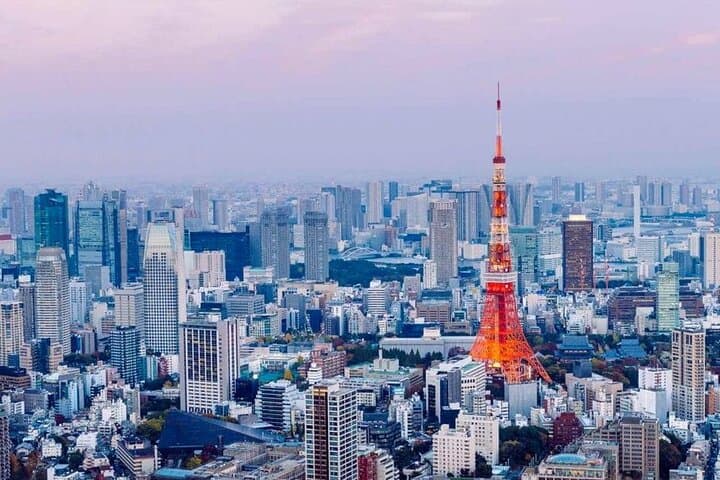


You step off the train and the city shifts—neon gives way to low-rise storefronts, narrow lanes threaded with the smell of grilled fish and frying tempura. Kamata moves at a different tempo than Shinjuku: fewer skyscrapers, more community rhythm. On a food-and-local-life walk here, wooden storefronts, izakaya counters, and a working-class bustle frame every bite.
You step off the train and the city shifts—neon gives way to low-rise storefronts, narrow lanes threaded with the smell of grilled fish and frying tempura. Kamata moves at a different tempo than Shinjuku: fewer skyscrapers, more community rhythm. On a food-and-local-life walk here, wooden storefronts, izakaya counters, and a working-class bustle frame every bite.
Kamata sits on the southern edge of Tokyo’s Kanto Plain, historically a transit and riverine district near the Tama River. The area’s onsen culture evolved from public baths that served workers and travelers; Kamata Onsen still draws locals for its mineral-rich waters. Geology plays a subtle role—flat alluvial soils made this part of Edo-era Tokyo easy to build small neighborhoods on, producing a dense patchwork of craft shops and family eateries rather than large estates.
Expect tachinomi-style standing bars, long-running yakitori joints, and neighborhood shrines tucked between food alleys. Guides point out family names on noren curtains, the ritual of ordering at a standing bar, and how postwar reconstruction shaped Kamata’s culinary ecology.
Practical guidance: tours typically run 3–5 hours and involve light walking on paved streets and occasional indoor venues. Carry cash—many smaller spots don’t take cards—and wear comfortable shoes for standing and short stairways. Aim for late afternoon to catch both lunch leftovers and evening izakaya openings. If you plan to visit the onsen included in many itineraries, bring a small towel or use the provided rental options. This walk delivers local flavor, approachable history, and the easy confidence of a neighborhood that knows its food.