THE ADVENTURE COLLECTIVE® · Independent discovery and booking for outdoor travel

Spend a day moving from Kamakura’s samurai-era shrines to Enoshima’s wind-swept observatory. This guided route links the Great Buddha, temple gardens, coastal Enoden rail, and a lighthouse view with practical tips for a full but accessible day.
Spend a day moving from Kamakura’s samurai-era shrines to Enoshima’s wind-swept observatory. This guided route links the Great Buddha, temple gardens, coastal Enoden rail, and a lighthouse view with practical tips for a full but accessible day.
Morning light slips along Komachi-dori, where the scent of grilled seafood and sweet mochi drifts between shopfronts and the rhythm of local life. On this full-day private tour you move from city lanes to temple gardens and out to a wind-burnished island, tracing the spine of Kamakura’s samurai-era streets and the wave-cut face of Enoshima.
Verified experiences and guided adventures in the surrounding area.
Operated by OTOMO Travel Guide · Kamakura, Kanagawa
Morning light slips along Komachi-dori, where the scent of grilled seafood and sweet mochi drifts between shopfronts and the rhythm of local life. On this full-day private tour you move from city lanes to temple gardens and out to a wind-burnished island, tracing the spine of Kamakura’s samurai-era streets and the wave-cut face of Enoshima.
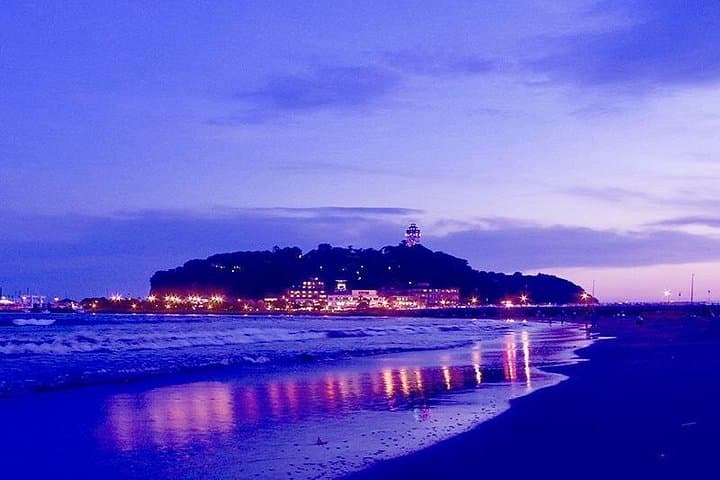
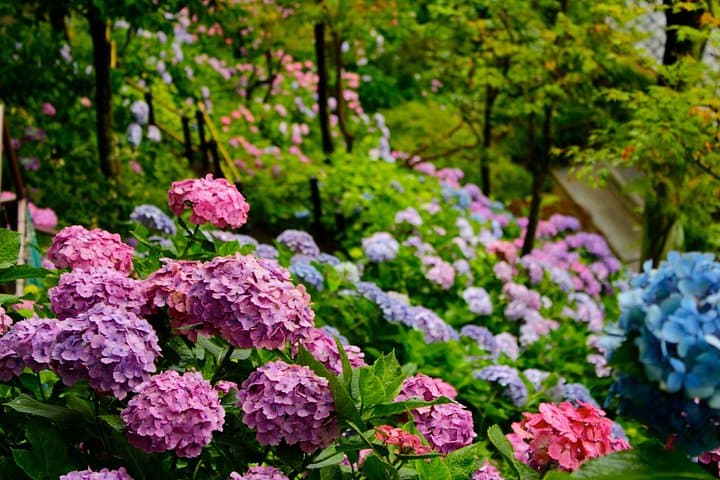
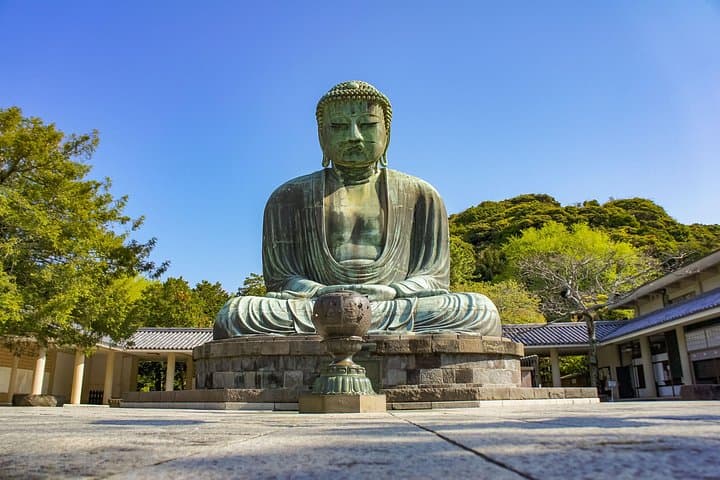
Kamakura was Japan’s political heart under the shogunate in the 12th–14th centuries; its big shrines and wooden halls reflect that era’s civic power. The Daibutsu at Kotoku-in, an open-air bronze Buddha dating to the Kamakura period, stands over 11 meters tall and offers a rare, quiet scale to the city’s religious history. Hasedera’s hillside gardens show seasonal shifts—cherry blossoms and hydrangea in spring, maple colors in autumn—while Enoshima, a coastal outcrop, has been a maritime shrine site for more than a millennium and rewards the climb (or escalator) with a 360° view from the Sea Candle where, on clear days, Mt. Fuji crowns the horizon.
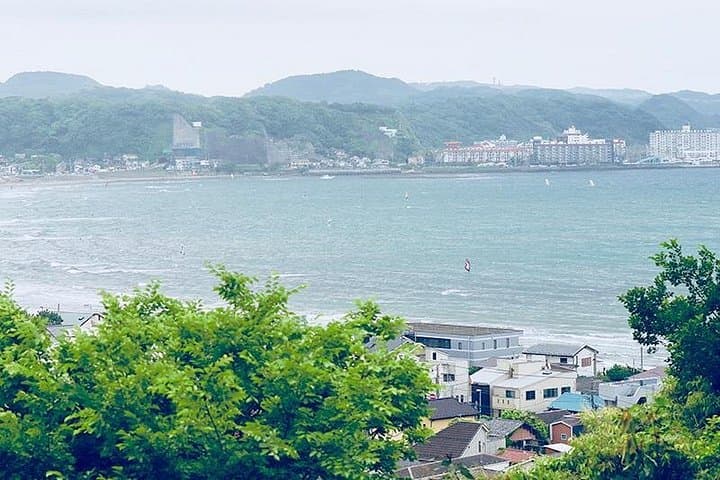
Expect cobbled sections, many stairs, a few short uphill walks and roughly 6–8 km of walking spread over seven hours. The Enoden train between Kamakura and Enoshima is part of the charm—watch surfers and fishing boats push and pull at the Shonan coast.
Practical edge: carry cash for smaller stalls and some temple offerings, wear grippy walking shoes for wet stone steps, hydrate often, and start early to avoid midday crowds. The route is flexible for weather or mobility needs—confirm meeting and drop-off points with your guide ahead of time.
moderate.
7 hours.
Comfortable walking fitness; able to climb multiple flights of stairs and stand for up to an hour at sights.
No—entrance fees and food are paid by participants; the guide cover is included in the tour price.
Many stops have stairs and uneven ground; parts of Enoshima use outdoor escalators but full wheelchair access is limited—check with the operator for alternatives.
The Enoden local railway links Kamakura with Enoshima along the coast; it’s the recommended and scenic way to travel between sites.
The operator may alter transportation, destinations, or route; confirm the day’s plan with your guide before departure.
Kamakura rose as the seat of the samurai-led shogunate from the late 12th century, and many temples and shrines date to or preserve traditions from that era.
Crowds and coastal erosion are managed locally—stay on marked paths, avoid littering, and respect shrine rules to reduce impact.
OTOMO Travel Guide operates guided outdoor trips and adventures with an emphasis on safety, stewardship, and memorable experiences.
Morning light slips along Komachi-dori, where the scent of grilled seafood and sweet mochi drifts between shopfronts and the rhythm of local life. On this full-day private tour you move from city lanes to temple gardens and out to a wind-burnished island, tracing the spine of Kamakura’s samurai-era streets and the wave-cut face of Enoshima.
Morning light slips along Komachi-dori, where the scent of grilled seafood and sweet mochi drifts between shopfronts and the rhythm of local life. On this full-day private tour you move from city lanes to temple gardens and out to a wind-burnished island, tracing the spine of Kamakura’s samurai-era streets and the wave-cut face of Enoshima.
Kamakura was Japan’s political heart under the shogunate in the 12th–14th centuries; its big shrines and wooden halls reflect that era’s civic power. The Daibutsu at Kotoku-in, an open-air bronze Buddha dating to the Kamakura period, stands over 11 meters tall and offers a rare, quiet scale to the city’s religious history. Hasedera’s hillside gardens show seasonal shifts—cherry blossoms and hydrangea in spring, maple colors in autumn—while Enoshima, a coastal outcrop, has been a maritime shrine site for more than a millennium and rewards the climb (or escalator) with a 360° view from the Sea Candle where, on clear days, Mt. Fuji crowns the horizon.
Expect cobbled sections, many stairs, a few short uphill walks and roughly 6–8 km of walking spread over seven hours. The Enoden train between Kamakura and Enoshima is part of the charm—watch surfers and fishing boats push and pull at the Shonan coast.
Practical edge: carry cash for smaller stalls and some temple offerings, wear grippy walking shoes for wet stone steps, hydrate often, and start early to avoid midday crowds. The route is flexible for weather or mobility needs—confirm meeting and drop-off points with your guide ahead of time.