THE ADVENTURE COLLECTIVE® · Independent discovery and booking for outdoor travel

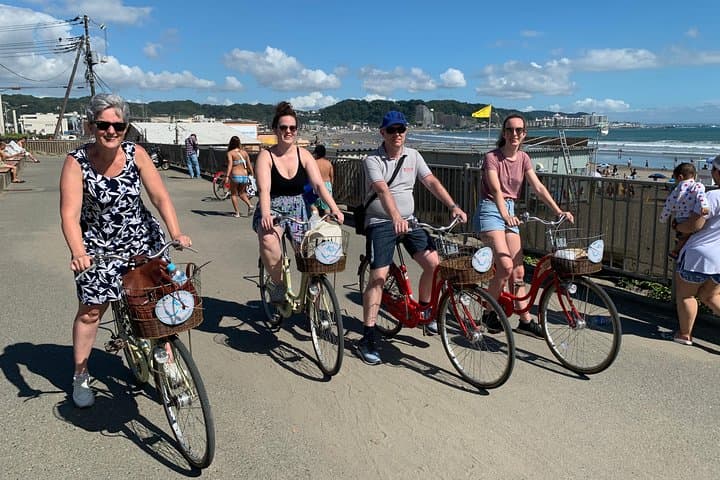
Cycle through Kamakura’s compact sweep of history and coast on a six-hour guided loop that combines famous temples, a bamboo grove and Pacific vistas. This easy 10 km ride mixes brief walks with scenic stretches—ideal for travelers who want active sightseeing with local stops.
Cycle through Kamakura’s compact sweep of history and coast on a six-hour guided loop that combines famous temples, a bamboo grove and Pacific vistas. This easy 10 km ride mixes brief walks with scenic stretches—ideal for travelers who want active sightseeing with local stops.
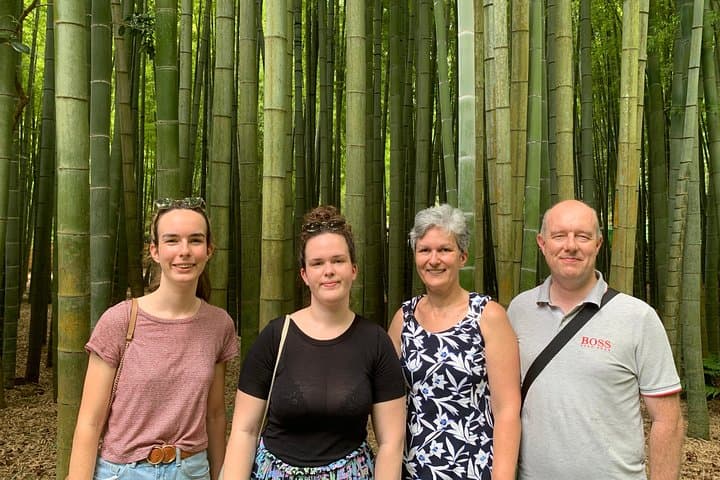
Pedaling out from Kamakura Station, the town opens like a map of layered histories: stone steps that climb toward moss-dark temples, a bamboo stand that sifts light into cool green slats, and the Pacific laying out a silver corridor to the horizon.
Verified experiences and guided adventures in the surrounding area.
Operated by Trip Designer Inc. · Kamakura, Kanagawa
Pedaling out from Kamakura Station, the town opens like a map of layered histories: stone steps that climb toward moss-dark temples, a bamboo stand that sifts light into cool green slats, and the Pacific laying out a silver corridor to the horizon.
This six-hour guided ride covers roughly 10 km of mostly flat, urban and coastal lanes that link key sites—the Great Buddha (Daibutsu), Sugimoto-dera’s mossy stairway, Hokoku-ji’s bamboo grove and Hasedera’s cliff-top viewpoints. Kamakura was Japan’s political center in the 12th–14th centuries; the town’s wooden shrines, carved Buddhas and seaward torii reflect a coastline used for both worship and trade for centuries. Geologically, the beaches and low cliffs are young alluvial and marine terraces shaped by Pacific swells and nearby tectonic uplift, which give the shoreline its broad sandy bays.
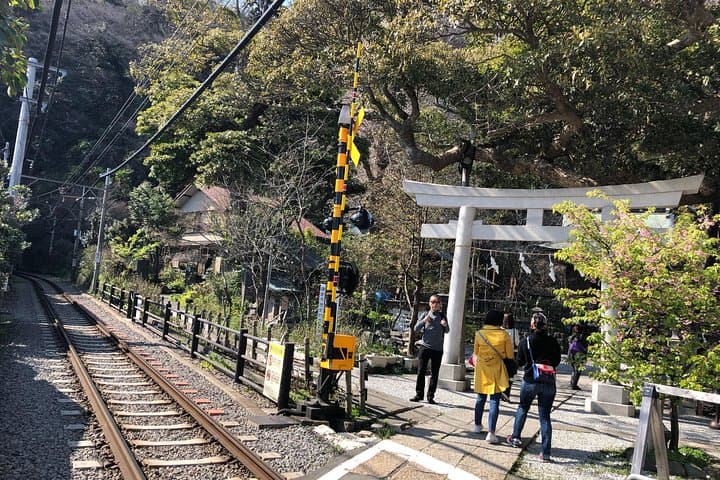
Riding here is sensory: the train rattles past torii gates, salt air pushes inland from Yuigahama, and small markets offer an instant taste of local life. Guides customarily pause for brief walks up temple approaches, and the route includes short stretches on pedestrian paths—expect to dismount at narrow stairways.
Practical notes: the tour is beginner-friendly but requires basic bike handling and comfort sharing city traffic. Bring a compact rain layer (coastal weather changes fast), a refillable water bottle, ¥ cash for market snacks, and comfortable shoes for walking temple grounds. Aim for morning departures in spring or early summer to catch cherry or hydrangea blooms and to avoid late-afternoon crowds.
easy.
6 hours.
Suitable for casual cyclists who can ride 10 km with intermittent walking; basic stamina for a half-day outing.
No advanced skills are needed—basic bike handling and the ability to ride on quiet streets for short distances are sufficient.
Admissions vary by site; the tour includes stops outside many attractions and time to enter ones that charge a fee, but bring yen for tickets.
Minimum age is 10; children should be comfortable riding in mixed traffic and on pedestrian sections.
Organizers may switch to a walking tour in poor weather; check cancellation and refund policy for changes within 24 hours.
Kamakura was the seat of Japan’s first shogunate in the 12th century; many temples were founded by powerful samurai families and retain artifacts from that era.
High visitor numbers strain narrow streets and temple grounds—stick to paths, avoid feeding wildlife, and carry out any trash to protect coastal and cultural sites.
Trip Designer Inc. operates guided outdoor trips and adventures with an emphasis on safety, stewardship, and memorable experiences.
Pedaling out from Kamakura Station, the town opens like a map of layered histories: stone steps that climb toward moss-dark temples, a bamboo stand that sifts light into cool green slats, and the Pacific laying out a silver corridor to the horizon.
Pedaling out from Kamakura Station, the town opens like a map of layered histories: stone steps that climb toward moss-dark temples, a bamboo stand that sifts light into cool green slats, and the Pacific laying out a silver corridor to the horizon.
This six-hour guided ride covers roughly 10 km of mostly flat, urban and coastal lanes that link key sites—the Great Buddha (Daibutsu), Sugimoto-dera’s mossy stairway, Hokoku-ji’s bamboo grove and Hasedera’s cliff-top viewpoints. Kamakura was Japan’s political center in the 12th–14th centuries; the town’s wooden shrines, carved Buddhas and seaward torii reflect a coastline used for both worship and trade for centuries. Geologically, the beaches and low cliffs are young alluvial and marine terraces shaped by Pacific swells and nearby tectonic uplift, which give the shoreline its broad sandy bays.
Riding here is sensory: the train rattles past torii gates, salt air pushes inland from Yuigahama, and small markets offer an instant taste of local life. Guides customarily pause for brief walks up temple approaches, and the route includes short stretches on pedestrian paths—expect to dismount at narrow stairways.
Practical notes: the tour is beginner-friendly but requires basic bike handling and comfort sharing city traffic. Bring a compact rain layer (coastal weather changes fast), a refillable water bottle, ¥ cash for market snacks, and comfortable shoes for walking temple grounds. Aim for morning departures in spring or early summer to catch cherry or hydrangea blooms and to avoid late-afternoon crowds.